
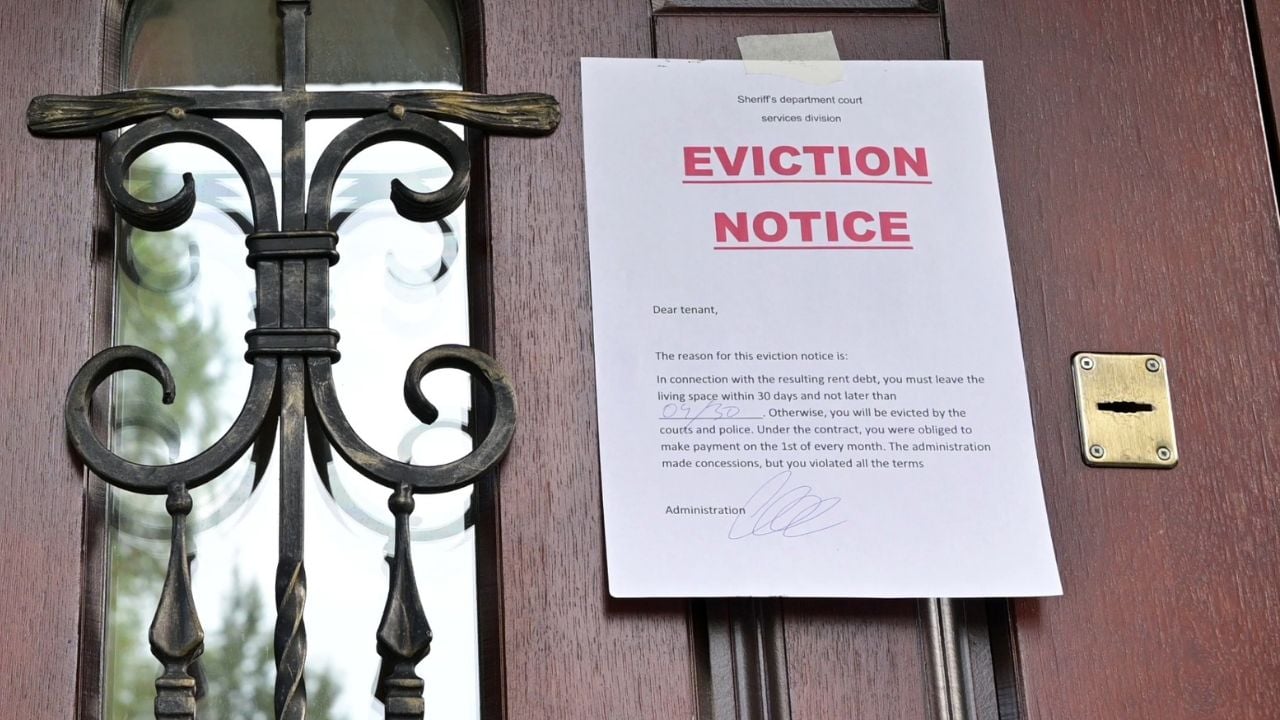
4 States Where Squatters Have the Upper Hand

Ten days sounds short until you’re waiting out a squatter who counts as a tenant in California’s eyes.
According to California’s court system, a tenant served in person with an eviction case has 10 court days to answer. Weekends and court holidays don’t count.
Here are the states where squatters have the upper hand, and what that means for you as an owner.
Note: This is general information, not legal advice. Property laws and required timelines are subject to change.
The Court-First Rule
In the states below, removing a squatter on your own, without a court order, can backfire.
A shortcut like changing the locks can cost you a penalty or a lawsuit.
A guest who stays can sometimes count as a tenant, and a tenant gets that same court case.
1. Minnesota
A squatter who started as a guest can become a tenant under Minnesota law.
Minnesota’s legal-aid guide describes a tenant as anyone who lives in a home with the owner’s permission, usually but not always in exchange for rent or services.
Once that happens, only an eviction filed in court can make the person move.
With no rent being paid, a landlord has to give three months’ notice to move out.
That process can take several weeks or even a few months and costs at least $322.
In Minnesota, police could decline to decide whether your guest is a trespasser.
Locking the person out backfires.
If the person counts as a tenant, an unlawful, bad-faith lockout can cost you treble damages or $500, whichever is greater, plus attorney fees.
2. New Jersey
In 2021, a New Jersey appeals court ruled that the governor’s pandemic eviction moratorium didn’t cover persons having the legal status of squatters.
The case involved an occupant who wasn’t on the lease, and the landlord went to court with an ejectment case, a lawsuit to remove someone with no right to the property.
The appeals court vacated the stay and sent the case back for the occupant’s orderly removal.
The state’s forcible entry statute also limits self-help.
The law bars you and everyone else from entering a home someone occupies as a residence without that person’s consent, unless the entry follows legal process.
If you change the locks on an occupant’s home, a separate law treats it as forcible entry and detainer, a disorderly persons offense after an official’s warning.
The statute’s re-entry clause refers to legal occupants, so a court would have to decide how it applies to someone with no right to be there.
The attorney general’s directive for police tells officers to first try to determine whether the person lives at the property.
Senate Bill 342, introduced January 13, 2026, would create an expedited ejectment proceeding for certain unauthorized occupants.
Assembly Bill 259, introduced the same day, would criminalize unlawful occupancy of dwellings, and LegiScan lists both bills in committee.
What New Jersey’s Senate Bill 342 Would Change
If New Jersey’s Senate Bill 342 passes, a court would have three business days to decide whether to allow an expedited hearing on an owner’s complaint against a squatter.
The hearing would take place on or before the fifth business day after that decision.
The owner would have to certify that the occupant has never been a lawful tenant, never paid rent and never had a written lease or other written permission.
If the court finds the owner’s certifications accurate, the bill would require it to issue a writ of possession, a court order that has an officer remove the occupant.
3. Massachusetts
Massachusetts treats a squatter who entered without right differently from one who was let in and stayed.
The state’s trespass law lets police arrest a person who, without right, enters or stays in a dwelling after the person in lawful control forbids it.
It carves out tenants and occupants who rightfully entered and stay after their tenancy or occupancy has been or is alleged to have been terminated.
For them, the owner can recover possession only through civil proceedings.
House Bill 1802, an act addressing squatter’s rights, shows no action since March 2026.
State law bars you from trying to recover possession of land except through a court action or another authorized proceeding.
The superior and district courts have authority to enforce that rule.
If you’re a landlord, regaining possession by force without a court process can bring a fine of $25 to $300 or up to six months in jail.
You can also owe the occupant actual and consequential damages or three months’ rent, whichever is greater.
4. California
In California, a squatter who counts as a tenant falls under the same eviction rules as any other tenant.
The attorney general says the only lawful way to evict a tenant is to file a court case, and forcing tenants out of a rental property is a misdemeanor.
If you’re the landlord, cutting off utilities or changing the locks to end a tenant’s occupancy can cost you actual damages plus up to $100 a day.
Each separate claim carries a $250 minimum.
In 2025, Senate Bill 448 would have let owners serve a squatter with a demand to vacate.
It would have required police to verify the owner’s request and then remove the occupants without unreasonable delay.
It wouldn’t have covered a tenant or anyone with a good-faith claim to the tenancy or the title.
The bill stalled in the Senate Appropriations Committee in May 2025 and was formally returned to the Senate secretary on February 2, 2026.
Assembly Bill 897, on removing trespassers from residential property, failed in committee in April 2025.
Faster Removal Laws
The National Apartment Association (NAA) says 28 states have enacted laws addressing squatting, which is more than half the states.
In 2026 so far, 25 states have introduced or considered bills.
NAA’s page doesn’t name any of the four states above among its recent additions.
Oregon’s 2025 law lets you file an eviction complaint against a squatter after 24 hours’ written notice.
In Kansas, an owner gives a law enforcement agency a notarized affidavit, and after at least 24 hours an officer serves the occupant with a notice to vacate.
South Carolina’s 2026 law lets a court order an unlawful occupant removed after an owner files a verified petition.
The hearing comes within 24 hours unless there’s good cause for a delay.
Where those laws apply, you have more tools to remove a squatter quickly.
Psst! How much do you know about squatters? Tap each card and see how many you can get right.
How Long Eviction Takes
For a squatter who counts as a tenant, each step of the court route adds waiting time for you as the owner.
In California, a tenant served in person with an eviction case has 10 court days to file an answer.
Saturdays, Sundays and court holidays don’t count toward those days.
In Massachusetts, the notice you give a tenant runs 14 days for unpaid rent and 30 days for other reasons.
Even after an owner wins in Massachusetts, a judge can grant the tenant a stay of execution, which pauses the removal for up to six months.
Massachusetts lets older or disabled tenants request a stay of up to a year.
7 Things Wisconsinites Can’t Legally Do to a Trespasser
A stranger on your land could be a hunter, or a trespasser.
Here’s what you can’t do about trespassers, and the lawful steps you can take instead.
