
4 Things Iowa Kids Did in the 1960s That Would Panic Parents Today

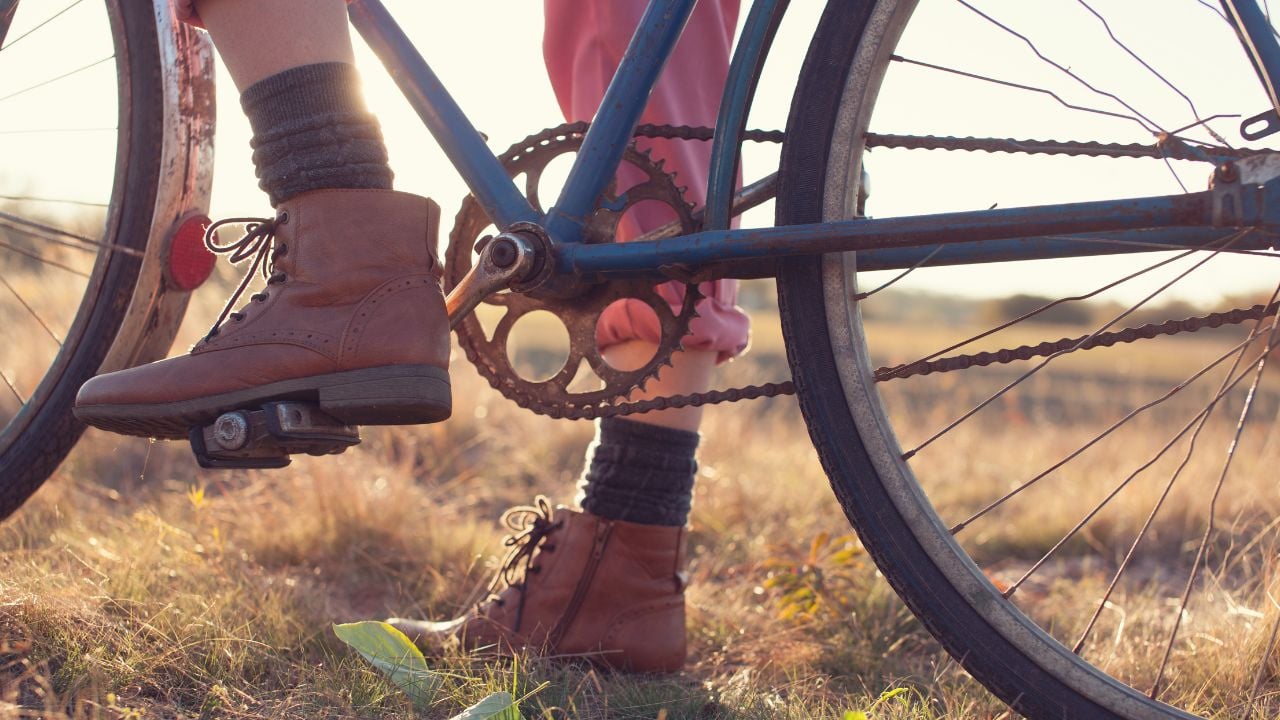
If you pedaled around your Iowa town as a kid in the 1960s, your hair was probably blowing in the wind.
Nobody at home thought twice about it.
Here’s what Iowa kids did in the 1960s that would panic parents today.
Note: This is general information, not legal advice. Iowa’s driving, hunting and child restraint rules are subject to change.
1. Going to a One-Room School
If you grew up in rural Iowa in the 1960s, your school day may have started in a one-room schoolhouse.
Then a state law set a mid-1960s deadline for rural public schools to close.
One former student remembered walking into a new junior high full of kids and teachers she didn’t know.
Another remembered the school bus ride as a very long one.
That was a big change.
A lot of parents would struggle to picture their child’s whole school day in a single room.
2. Riding Without a Car Seat
A small child in the 1960s rode in a car with no child restraint law to follow.
Iowa’s law for children under six took effect on January 1, 1985, the state Department of Transportation says.
Many parents would panic at the old way now.
That has changed.
Today, children younger than six have to be secured in a child safety or booster seat, according to the University of Iowa’s Injury Prevention Research Center.
Psst! How much do you know about Iowa farm life and its state fair? Take our quiz and see how many you can get right.
Quiz
Iowa Farm and Fair IQ
Answer nine questions on Iowa’s state fair and farm numbers. We bet you can’t get them all right. Prove us wrong?
How much did adults pay to get into the first Iowa State Fair in 1854?
3. Riding Without a Seat Belt
Cars from the 1966 model year on had seat belts, according to the 1995 Iowa Code.
Wearing them was another story.
Using a belt didn't become a requirement until July 1, 1986.
For many families, buckling up was a personal choice.
If you rode in the back seat of a 1960s family car, buckling up may never have crossed your mind.
How Iowa's Seat Belt Use Rose
Iowa's seat belt law carried a $10 fine, plus court costs, starting January 1, 1987.
Belt use was 27 percent in Iowa in June 1986.
By April 1987, belt use in Iowa had reached 63 percent.
4. Biking Without a Helmet
Bell didn't introduce its Biker helmet until 1975, well after the 1960s, according to a company history.
So if you biked as a kid in the 1960s, you probably rode without one.
Hard to imagine now.
Many parents today would panic at the sight of a kid pedaling off without one.
Why Iowa's Rural Schools Closed
Why did the one-room era end?
People were moving away from rural areas and into cities, and it was more affordable to run one bigger school than several small ones.
Consolidation was very slow from 1922 through 1953, according to the state's public television network.
Then new legislation required each district to have kindergarten through 12th grade, and consolidation picked up steam.
Local families had picked the teacher and the books.
Iowa's Special Minors' License
A section of the 1995 Iowa Code covered special minors' licenses, including a driver's license issued for travel to and from school.
It came with conditions.
By 1995, a teen between 14 and 18 had to complete an approved driver education course unless it was waived for hardship.
By 1995, the school board or superintendent also had to certify that a need existed.
Living less than one mile from school counted as evidence that the license wasn't needed.
The section's history notes list the Code of 1962 and the Code of 1966, so an earlier version was already in the books in the 1960s.
Hunter Safety Education
Hunter safety isn't new.
The requirement traces to a 1982 act.
The 1995 Code applied it to anyone born after January 1, 1967.
Today, the Iowa Department of Natural Resources says anyone born after January 1, 1972 must be certified in hunter education before buying an Iowa hunting license.
A person who is 11 or older can enroll in a course.
Farm Kids on Tractors
Farm kids in rural Keokuk County, Iowa, reported in a 2003 study that they began riding on tractors at a mean age of 7.
The same study put the mean age for driving a tractor at 11.
Iowa State University's library has a 1953 photograph of a child riding on the side of a moving tractor in Story County.
The mean age for driving an all-terrain vehicle was 10.
If you grew up on a farm, those ages may sound familiar.
In 2012, the Associated Press reported that federal rules allowed workers as young as 14 to drive tractors after passing a certification course.
The same report said the American Academy of Pediatrics recommended that children be 16 before operating farm equipment.
Kids at the Iowa State Fair
Children got into the first Iowa State Fair for free.
That fair was held in Fairfield in 1854, and adults paid a 25-cent entry fee.
The fair moved permanently within the Des Moines city limits in 1879, and the new fairgrounds were dedicated on September 7, 1886.
A sculptor named J.K. Daniels made the fair's first Butter Cow in 1911.
Today's version starts with about 600 pounds of butter.
3 Casey's Pizza Facts That Trace Back to Iowa

Picking up dinner at a gas station might raise eyebrows in other states.
Here's where Casey's pizza got its start and what's behind the pies Iowans know and love.
3 Casey's Pizza Facts That Trace Back to Iowa
7 Iowa Landscapes That Look Nothing Like the Flat Cornfield Picture
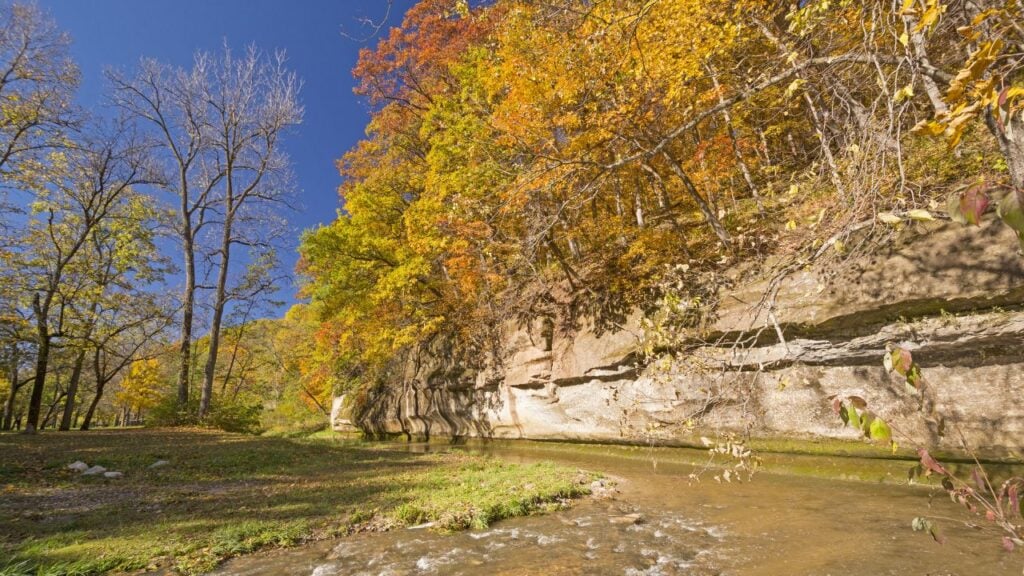
Iowa's reputation is flat fields as far as the eye can see.
These are some of the places that show a different side of the state.
7 Iowa Landscapes That Look Nothing Like the Flat Cornfield Picture
