
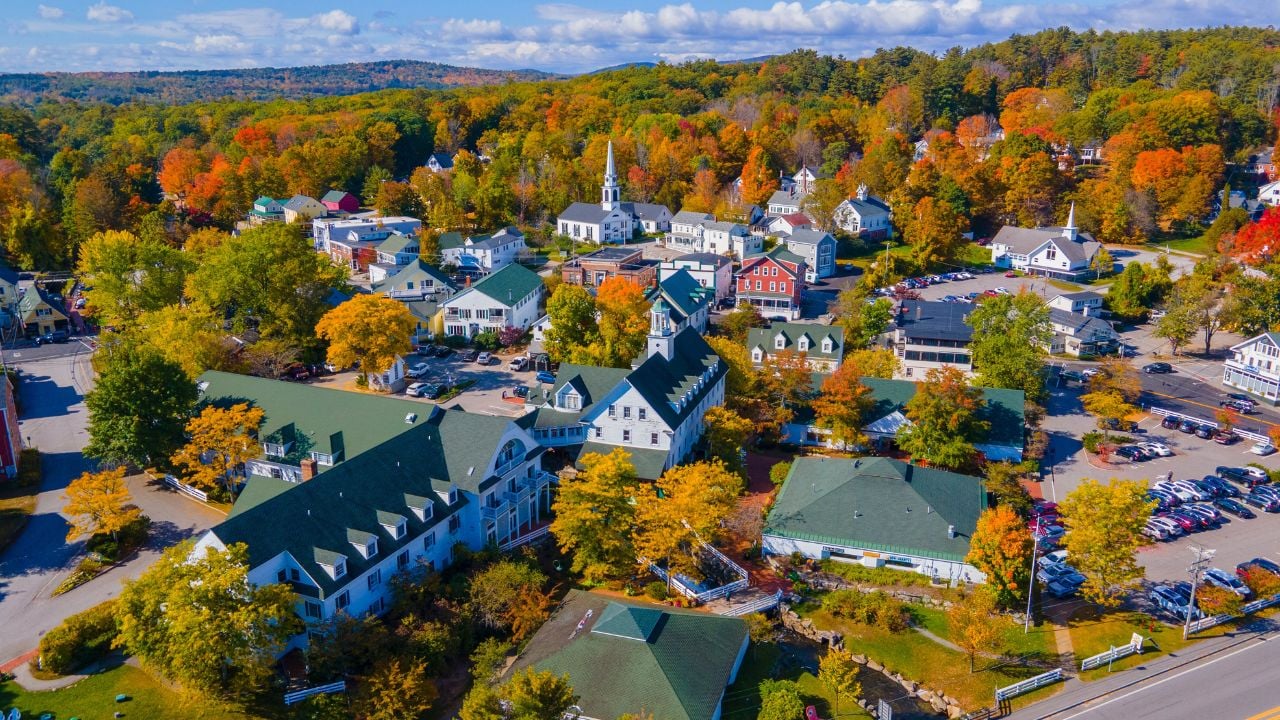
4 Things New Hampshire Towns Do Before the Foliage Crowds Arrive

Traffic through New Hampshire’s Franconia Notch ran 30% higher last September and October than the year before, according to the White Mountains Attractions Association.
Towns across the state don’t wait for that kind of surge to start preparing.
These are the things New Hampshire towns do before the foliage crowds arrive.
1. Sandwich’s Early Build-Out
Sandwich turns its fairgrounds into a small town before Columbus Day weekend arrives, the same weekend the region’s foliage is generally at its peak.
Roughly 160 vendors and 150 campsites go up in the days beforehand.
Nothing about that happens overnight.
Exhibitors were leading 184 yoke of oxen through the ring back in 1886.
It has been part of the region’s Columbus Day weekend for more than a century since, timed to the same peak color that draws the rest of the region’s visitors.
Recent years have also brought a new children’s playground and, finally, the option to pay by credit card.
The setup crew gets one shot to have it ready before the foliage crowd shows up.
2. Franconia’s Weekday Nudge
Franconia Notch’s rangers start nudging visitors toward weekday trips before the weekend crowd shows up.
The advice comes from experience.
Last fall, the parking lot at Artist’s Bluff filled up, and rangers had to turn cars away.
Franconia Notch squeezes traffic into one of the narrowest passes in the White Mountains, which is part of why the crowding shows up there first.
How Bad Franconia Notch’s Parking Gets
Franconia Notch’s biggest lot, at Artist’s Bluff, holds about 1,500 cars, which isn’t much once the foliage crowd shows up on a peak weekend.
That lot filled, and so did the separate Old Bridle Path trailhead, on several weekends last fall.
Traffic through the notch ran about 30% higher between September 18 and October 6, 2025, than the same stretch a year earlier, according to the White Mountains Attractions Association.
3. North Woodstock’s Visitor Tracking
North Woodstock, the New Hampshire town where the Kancamagus Highway begins, hosts the region’s official White Mountains Visitor Center.
Leaf-peeping traffic funnels onto the byway directly past that address at 200 Kancamagus Highway.
Every September, before peak color shows up, the center’s foliage tracker starts posting fresh reports.
Before the color, not after.
The updates go out region by region, not statewide.
One end of the Kancamagus can look nothing like the other on the same day.
The center works alongside the White Mountain National Forest, so the same building fields both trail questions and calls about where the colors stand.
North Woodstock’s tracker is built to follow that spread as it moves down the byway.
4. Warner’s Volunteer Shifts
Warner runs its entire Fall Foliage Festival without a single paid staffer.
Not one dime.
Every job, from the ox pull to the parking lot, goes to a volunteer.
Volunteers sign up for those shifts in two-hour blocks before the festival opens.
It has run this way since 1947.
The weekend still runs a country breakfast and a five-mile road race alongside the ox pull, fixtures the festival has kept for decades.
This year’s festival, the 79th, runs October 9 through 11.
Organizers have long expected crowds of 5,000 to 7,000 people a day on the festival’s weekend.
Psst! How much do you know about fall foliage season in New England? Flip these cards and find out.
Deerfield’s Fair Jobs
Deerfield, one of the state’s oldest fair towns, hires parking attendants and ticket-sales associates every year before the first car pulls in.
The town has run this fair since 1876, which its organizers bill as New England’s oldest family fair.
The fair added its fourth day back in 1950, and the schedule has stuck ever since.
Nobody waits until fair week.
This year’s four-day run, October 1 through 4, is expected to draw more than 100,000 people.
The fair posts those openings on its website well before the October gates open.
Lincoln’s Joint Patrol
Lincoln, the town anchoring the Kancamagus Highway, keeps a joint police patrol staffed along the road.
The arrangement with the U.S. Forest Service goes back to 1968.
That’s a long partnership.
It covers two campgrounds, Hancock and Big Rock, along the town’s stretch of the highway.
The department’s jurisdiction runs 12 miles east along the highway, to the town line in Livermore.
That highway draws about six million visitors a year.
The patrol checks in on both campgrounds all through the fall, right up until the U.S. Forest Service closes them for the season.
Officers handle campground disputes and help search for lost or injured hikers, work that piles up once the fall rush hits the trailheads.
The Numbers Behind the Rush
Foliage season is bigger business than the traffic jams suggest.
The White Mountains alone counted 1.1 million visitors during last year’s foliage season, according to the White Mountains Attractions Association.
The region’s tourism association put the economic impact at more than $320 million.
The wider White Mountains region draws more than 2.8 million visitors a year, according to the same tourism association.
Last fall’s count ran about 6.5% higher than the year before it.
Timing is money.
Hotels, campgrounds, and small-town fairs all draw from the same few weeks of color.
A slow week in one place often means a busier week somewhere else in the state.
That is why so many towns start getting ready before the leaves even turn, instead of scrambling once the crowds show up.
The Color Wave
Fall color doesn’t arrive everywhere at once.
It moves like a wave.
The Great North Woods usually starts turning first, around the middle of September, according to the state’s tourism office.
The White Mountains follow within a couple of weeks.
The Lakes Region and the Monadnock area typically turn in the last days of September, right as the White Mountains start to fade.
The Dartmouth and Lake Sunapee area sits on a different schedule too, staying colorful from late September into the middle of October.
The Seacoast goes last, usually not turning until early October.
A trip planned around Franconia Notch in late September can miss the color once it has drifted toward the coast weeks later.
9 Things Everyone Gets Wrong About New Hampshire, According to People Who Live There
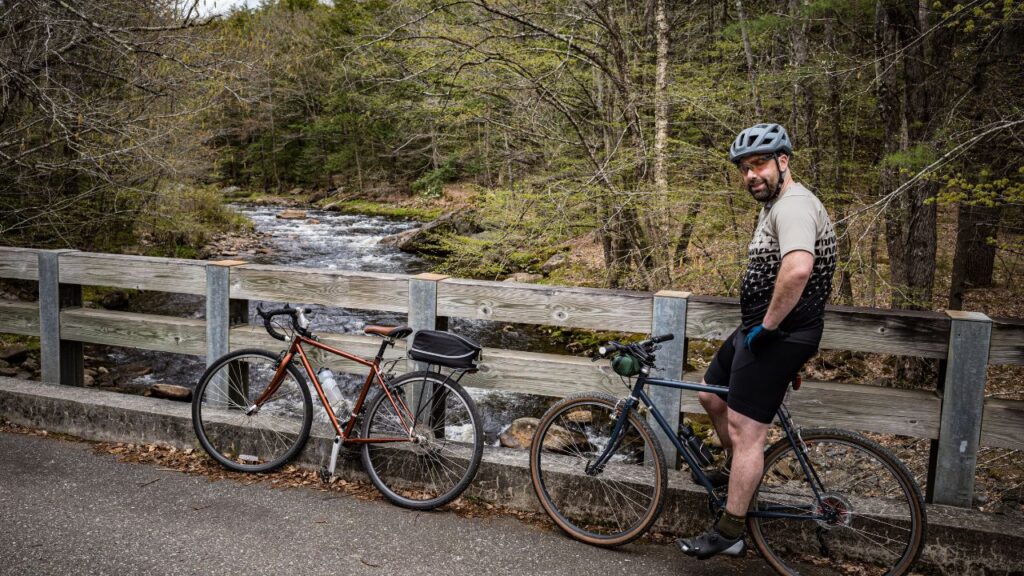
Think you know New Hampshire because you’ve driven Interstate 93 through the White Mountains?
Granite Staters field the same handful of confidently wrong assumptions from people who only pass through.
9 Things Everyone Gets Wrong About New Hampshire, According to People Who Live There
8 Market Basket Deals New Hampshire Shoppers Plan Their Week Around
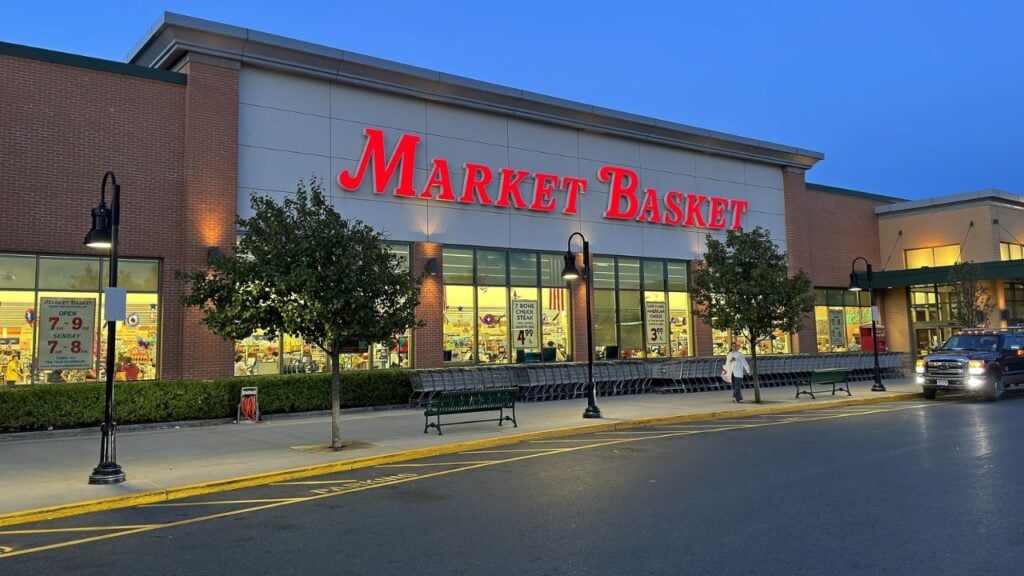
A Nashua shopper can load a cart at Market Basket and still beat the bill at the pricier store across the highway.
Every week, the parking lots along Route 3 stay packed from open to close.
8 Market Basket Deals New Hampshire Shoppers Plan Their Week Around
