
4 Wild Animals Michiganders Can’t Legally Keep as Pets

Many a kid has asked to keep an animal they found outside, and many a parent has said no without needing a reason.
It turns out the law is on the parent’s side more often than you’d think.
Here are the wild animals Michiganders can’t legally keep as pets.
Note: This is general information, not legal advice. Wildlife rules and permit terms are subject to change.
1. Big Cats
Michigan’s Large Carnivore Act makes a pet big cat illegal to keep.
The banned list names lions, tigers, leopards, jaguars, cougars, panthers and cheetahs.
Snow leopards and clouded leopards count as leopards, so the fancy-sounding ones don’t slip through.
A hybrid cross with any of these cats lands on the list too.
It doesn’t matter whether the cat was born in the wild or bred in captivity, so a cub from a breeder still counts.
If you were hoping to bring home a cub, the grandfather exception is already closed.
It covered only people who owned a big cat when the law took effect on July 7, 2000.
Those owners had 90 days to apply for a permit, and it covers only the animals they already had.
That window closed long ago.
Anyone who didn’t own the cat by then isn’t covered.
Even for those owners, the permit can pass to someone else only through a will or inheritance.
2. Russian Boar
Russian boar are on Michigan’s prohibited species list, which rules them out as pets.
You can’t possess, import or sell a prohibited species as a live animal, except under certain circumstances.
That puts the buyer and the seller on the wrong side of the law.
A 2014 order added wild boar, wild hogs, feral pigs and razorbacks to the prohibited list, so the ban reaches well beyond the name Russian boar.
The ban covers hybrids too.
A genetic test can spot a hybrid with about 25% Russian boar ancestry.
Russian boar are already established in Michigan, and the state says they reached the wild through intentional release and escapes from captivity.
3. Bears
The Large Carnivore Act doesn’t stop at cats.
It covers a bear of any species, native or nonnative, whether it was born wild or bred in captivity, and a cub gets no exception.
The Michigan Department of Natural Resources (DNR) estimates 10,350 black bears in the Upper Peninsula and 2,100 in the Lower Peninsula, based on 2024 surveys.
That’s a lot of bears.
Black bear cubs typically stay with their mother for 16 to 18 months, and the DNR says never to get between a mother and her cubs.
If you spot a cub, admire it from far away, but don’t approach it or pick it up.
8 Driving Mistakes That Turn Michigan’s Deer Season Into an Insurance Claim
Deer season changes how you need to drive in Michigan.
A few common habits behind the wheel can turn a close call into a claim.
8 Driving Mistakes That Turn Michigan’s Deer Season Into an Insurance Claim
4. Bats
Bats are off limits.
Michigan’s Wildlife Conservation Order lists them as protected animals and bars taking a bat from the wild, with a few exceptions the order spells out.
The DNR lists the Indiana bat as endangered and the evening bat as threatened in Michigan.
Even if you find a bat hurt, you can’t nurse it yourself, since rehabilitation of bats is illegal in Michigan.
Leave a sick, injured or young bat alone and keep your kids and pets away, and the bat will likely leave on its own.
The order does allow taking a bat after a possible rabies exposure.
Even then, the order lets you hold the bat only temporarily, and only when a physician or public health official asks.
Exemptions to the Ban
The Large Carnivore Act’s ban on a pet big cat or bear comes with exemptions, but they mostly go to licensed people and businesses.
Veterinarians can temporarily have a big cat or bear to provide care, and animal control shelters can hold the animal for humane euthanasia or export.
Michigan exhibitors who show animals to the public can qualify if they hold a federal Class C license and meet a list of other conditions.
That’s a business route, not a hobby one.
A visitor from another state is exempt too, if they’re only passing through Michigan on a trip between places outside the state.
If you hold one of those old permits, it’s valid only where your city or county doesn’t ban possession by ordinance.
Your town can say no.
Pet Raccoon Permits
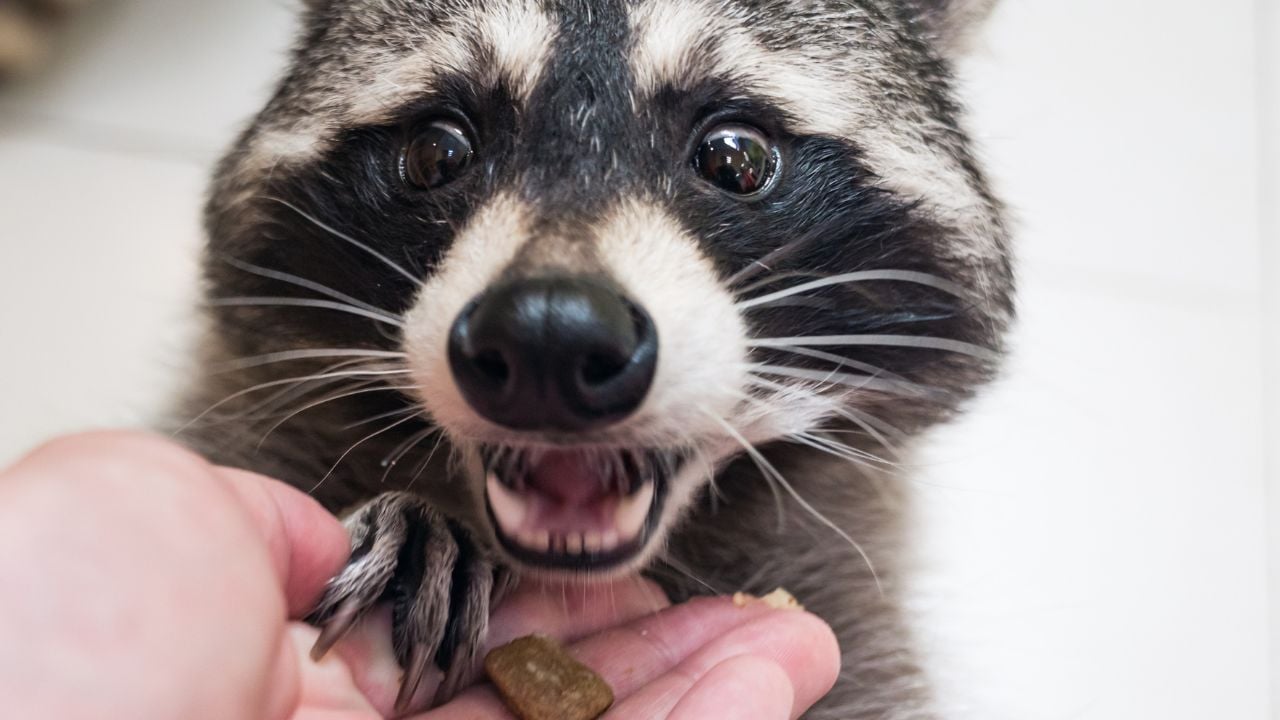
Raccoons are the closest call on this list because Michigan does have a permit route for them.
The DNR’s captive game permit covers only animals bred in captivity, and its rules even spell out the enclosure a raccoon needs.
Wild-caught raccoons are another story.
The DNR says it’s illegal to possess a live wild animal unless you’re licensed, and a raccoon from your backyard is exactly that.
Even with a permit, the DNR doesn’t recommend or encourage keeping any wildlife species as a pet.
Licensed wildlife rehabilitators are the route for abandoned or injured animals.
So if a baby raccoon’s mother is dead or the baby is hurt, the move is a call to a rehabilitator, not a ride home.
The DNR says raccoons are well known for turning aggressive as they get older, so the cub in your arms won’t stay a cub.
Rescued Baby Animals
A fawn alone in the grass is one more wild animal you can’t keep, no matter how abandoned it looks.
The DNR says fawns rarely are abandoned, and touching a fawn might leave your scent and could attract predators.
Many baby animals die when people move them out of their natural environment.
Rescued animals that do survive can become so used to people that they can’t return to the wild.
A rescue that ends like that isn’t much of a rescue.
A cottontail rabbit nest can look abandoned too, but the DNR says to leave it alone, and the mother will return when it’s safe.
Stay back.
Ducks, geese, their nests and eggs fall under the federal Migratory Bird Treaty Act, so a wild duckling isn’t yours to keep either.
Psst! How much do you know about Michigan’s wildlife and state symbols? Take our quiz and see if you can ace it.
Quiz
Michigan Nature IQ
Answer these questions on Michigan wildlife and state symbols. We bet you can’t get them all right. Prove us wrong?
How many mosquito-sized insects can a Michigan bat capture in an hour under normal conditions?
Large Carnivore Penalties
Keeping a pet big cat or bear in Michigan without a grandfathered permit is a misdemeanor.
The fine runs from $250 to $1,000, plus the costs of prosecution.
If you skip a required permit, the fine rises to between $500 and $2,000 for each animal.
Two animals, two fines.
On top of the fines, a court can add up to 93 days in jail or up to 500 hours of community service.
It can even take away your privilege to own any animal, not just the big ones.
A violation puts every big cat and bear you own at risk of civil forfeiture, not just the animal involved in it.
Prosecutors can ask a court for a forfeiture order, and so can any person who files a complaint saying the law is being violated.
9 Things a Michigan Landlord Can't Legally Do to Renters in 2026

Renters don't always know where the lines are.
These are the things a landlord can't legally do to renters.
9 Things a Michigan Landlord Can't Legally Do to Renters in 2026
