
4 Wild Animals South Carolinians Can Be Fined for Feeding

Feeding wildlife feels kind, but the rules change with the animal and with where you live.
Here are the wild animals South Carolinians can be fined for feeding.
Note: This is general information, not legal advice. Wildlife rules, local ordinances, and fine amounts are subject to change, so confirm the current rules with the South Carolina Department of Natural Resources (SCDNR).
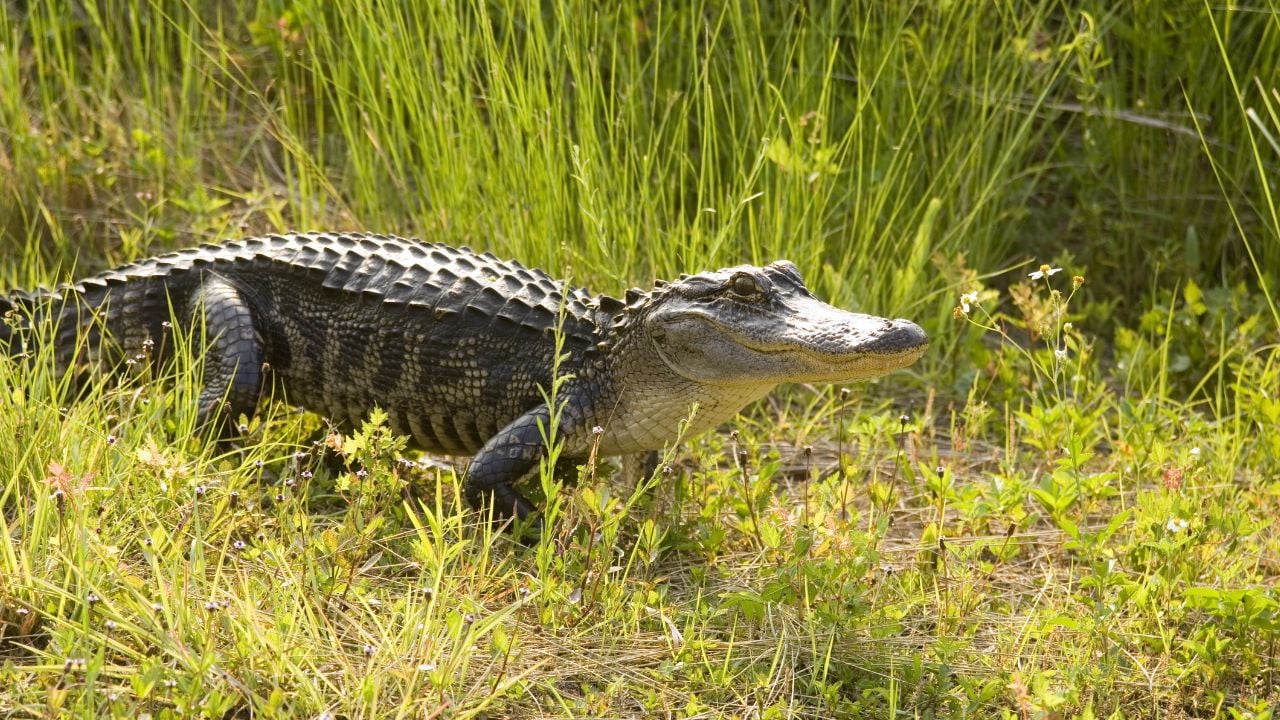
1. Alligators
Feeding an alligator is a misdemeanor.
SCDNR’s regulations page lists a fine of up to $200 or up to 30 days in jail.
Enticing one counts, too.
A second section of the state code also covers feeding, enticing, or molesting an alligator.
It sets a fine of $100 to $150, up to 30 days in jail, or both.
A nuisance alligator is tied to losing its fear of humans as a result of feeding.
If you clean your catch at the dock, SCDNR says disposing of fish guts or carcasses in water bodies alligators may live in is indirectly feeding alligators.
2. Black Bears
Feeding a black bear is a misdemeanor, punishable by a fine of up to $500 or 30 days in jail.
The law bans both feeding a bear and enticing a bear with food.
SCDNR says a bear that has been fed loses its natural fear of people.
Bears use their sense of smell to find food such as garbage, bird feeders, and outdoor pet food.
That can turn them into nuisance bears.
The state has two resident black bear populations, one in the mountains and upper Piedmont and one in the coastal plain.
Who’s Exempt From the Feeding Bans
The alligator and bear bans share the same three exceptions, according to SCDNR’s alligator regulations and the bear statute.
The first is people who feed captive animals under a permit from SCDNR.
The second is SCDNR personnel and people the department licenses or otherwise authorizes.
The third is county or municipal animal control personnel relocating an alligator or bear by baiting or enticement.
3. Dolphins
Feeding wild dolphins is prohibited under the federal Marine Mammal Protection Act, which makes this the one federal rule on the list.
The National Oceanic and Atmospheric Administration (NOAA) says violations are punishable by fines of up to $100,000, up to a year in jail, or both.
SCDNR says an estimated several hundred bottlenose dolphins live year-round in the state’s nearshore waters.
Fed dolphins can end up hurt by boat propellers, tangled in fishing lines, or sick from human food.
NOAA says feeding wild dolphins also disrupts their social groups, and it recommends watching them from at least 50 yards away.
Lowcountry dolphins practice strand feeding, working together to herd fish onto the shoreline and beach themselves temporarily to catch their prey.
If you watch from the beach, coming too close can interrupt it.
4. Geese and Seagulls
Geese and seagulls fall under a Surfside Beach town rule.
Under the ordinance, feeding most wildlife in town can cost you a fine of up to $500, community service, or up to 30 days in jail.
It applies on public or private property in town, including the town’s parks and beaches.
The town council passed it 6-1 in June 2026, and it took effect immediately.
Police Chief Bill Mickle said the change makes feeding a criminal violation instead of a civil one, so people cited must appear before the town judge.
Before that, feeding geese, seagulls, and other birds was already illegal there, with a $200 fine per offense and no jail time.
There had been years of complaints about large goose flocks.
One council member backed jail time because of repeat violators.
Yard bird feeders are exempt.
Local station WBTW reported in 2019 that Horry County had limited bird feeding to a designated wilderness area at least five acres in size.
Baiting Waterfowl for Hunting
Feeding waterfowl matters to hunters, who face a separate baiting rule.
SCDNR says many people feed waterfowl for the pleasure of bird watching.
But if you hunt waterfowl in an area where that feeding has occurred, it’s illegal if it could lure or attract migratory game birds.
State law also makes baiting an area where migratory birds are being hunted a misdemeanor, with a fine of $200 to $500 or up to 30 days in jail.
Under the 10-day rule, any salt, grain, or feed must be gone 10 days before hunting.
Sand and shell grit aren’t prohibited.
Baiting Deer
If you hunt deer, baiting is no longer prohibited on private land anywhere in the state.
Act 2 of the 2013 General Assembly removed the prohibition on baiting for deer on private lands in Game Zones 1 and 2.
Baiting or hunting over bait remains prohibited on wildlife management areas (WMAs).
Psst! How much do you know about South Carolina’s wildlife? Take our quiz and see if you can ace it.
Quiz
SC Wildlife IQ
Answer these questions on South Carolina’s wildlife and state symbols. We bet you can’t get them all right. Prove us wrong?
What’s the heaviest black bear on record in South Carolina?
Reporting Wildlife Feeders
If you want to report a wildlife violation, Operation Game Thief helps game wardens catch natural resource law violators.
Rewards of up to $2,500 are paid for information that leads to an arrest.
Local station WMBF reported that in Surfside Beach, members of the public can also provide evidence of violations.
SCDNR's nuisance alligator page says to report a nuisance alligator to your homeowners association (HOA) or property management group first, if you live in one.
If you don't, report it to your regional coordinator.
For an alligator-related emergency, call Operation Game Thief at 1-800-922-5431.
5 South Carolina Porch Traditions Rooted in Charleston and Gullah Geechee History

Every detail on a historic Charleston porch has a reason.
Those reasons trace back to Charleston and Gullah Geechee history.
5 South Carolina Porch Traditions Rooted in Charleston and Gullah Geechee History
7 Home Security Settings South Carolina Homeowners Check Before Traveling This Fall
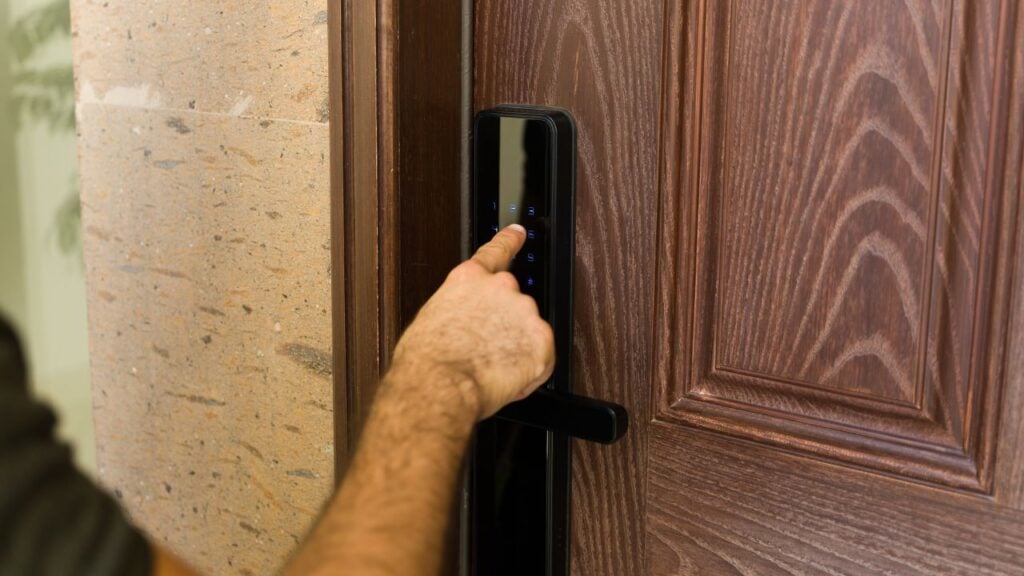
Leaving town for a weekend this fall?
A few home security settings are worth checking before you go.
7 Home Security Settings South Carolina Homeowners Check Before Traveling This Fall
