
5 Animals and Insects That Move Into New Hampshire Homes Every Fall

Cooler nights can send small creatures looking for a warmer place to stay.
Granite Staters may spot a few of them around their windows and walls this time of year.
Here are the common unwanted fall houseguests, and when they tend to show up.
Note: This is general information, not medical or wildlife-control advice. Wildlife rules and guidance are subject to change, so confirm the current details with New Hampshire Fish and Game.
1. Mice
Many mice look for a protected place to spend the winter once cooler fall weather arrives, according to University of New Hampshire (UNH) Extension.
Mice are most active at night, when they do most of their feeding.
If you suspect mice, check for droppings that are 1/8 to 1/4 inch long, dark and pointed at both ends.
Damage to food or to nesting materials, such as linens and home insulation, is another sign.
Mice are drawn to spilled or exposed food, birdseed included.
For storing birdseed, UNH Extension calls a galvanized trash bin with a tight-fitting lid perfect for keeping rodents out.
Seal the cracks outside.
Give special attention to the foundation and to where pipes and utilities enter your home.
Fill any gap larger than 1/4 inch because mice can squeeze through openings that look far too small.
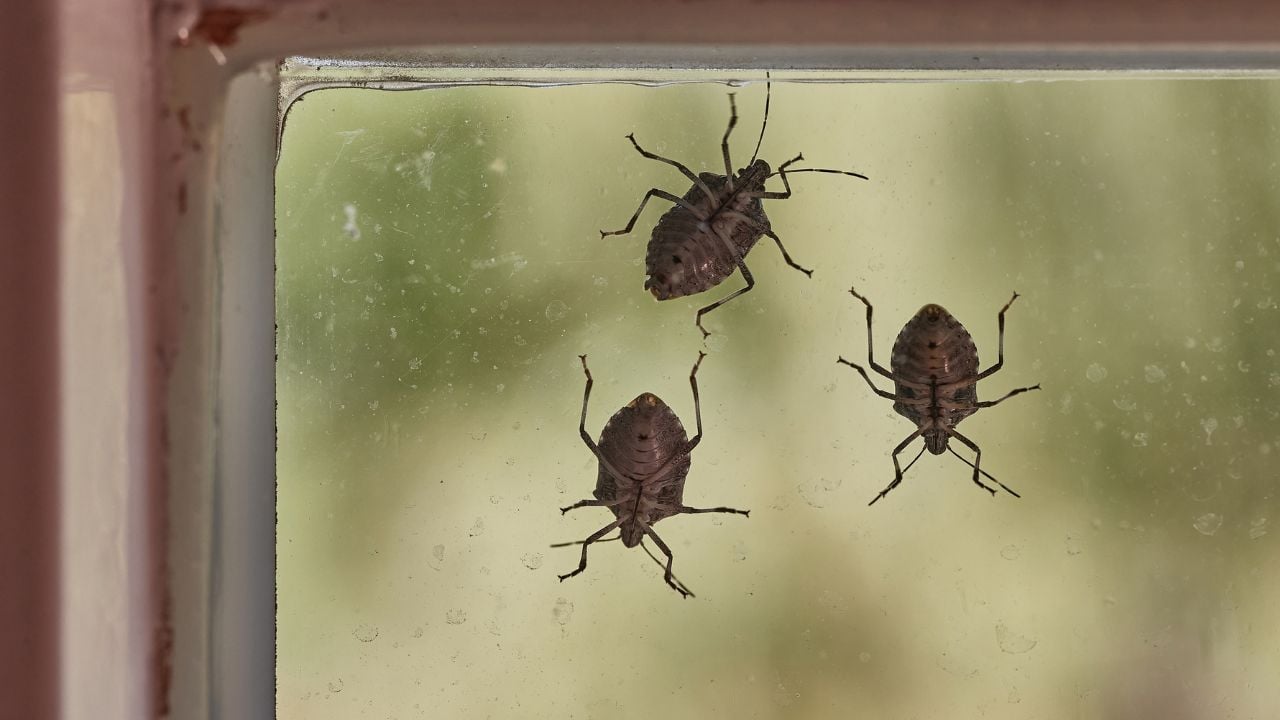
2. Brown Marmorated Stink Bugs
In late August and early September, brown marmorated stink bugs start searching for a protected place to overwinter.
From September into early October, they mass on the sunny sides of buildings, looking for crevices to get inside.
They overwinter inside, usually in the walls.
They also secrete an odor that attracts other stink bugs.
Although a stink bug doesn’t bite people, it may release a foul odor when handled.
So handle with care.
If one turns up on your wall, UNH Extension says to drown it in a jar of soapy water or release it outside.
A vacuum works too, as long as you empty the bag outdoors right away.
3. Multicolored Asian Lady Beetles
Multicolored Asian lady beetles gather on the sunny side of buildings on mild days from mid-September through early November.
A beetle that finds a suitable spot gives off a chemical signal, called a pheromone, that attracts others of its kind.
If your home isn’t well caulked, the beetles can get indoors.
They often slip under sliding doors or through large drainage holes around screens and storm windows.
Start with the sunny side.
UNH Extension says to seal cracks around windows and doors, particularly on the southern and western sides of the house.
Disturbed lady beetles often release an unpleasant odor and a yellowish fluid that can damage light-colored rugs and upholstery.
Vacuuming is less likely to stain than sweeping them up.
Inside, the beetles don’t breed or lay eggs.
Psst! How much do you know about the wildlife that shows up around houses as it gets cold? Take our quiz and see if you can ace it.
Quiz
Cold-Weather Visitor Quiz
Match each clue to the visitor behind it. We bet you can’t get them all right. Prove us wrong?
Northern Woodlands says plywood outhouses and sweaty axe handles draw which animal in search of salt?
4. Cluster Flies
To a layperson, cluster flies look like ordinary house flies, according to UNH Extension.
In fall, the adults from the last generation seek protected areas in which to spend the winter.
They invade attics and get under siding and around windows.
Many eventually congregate between the walls.
From there, they may work their way into a room through window frames and electrical fixtures.
They only use your home as a place to spend winter, and they don't damage buildings, furniture or people.
Cluster flies are especially common at windows in attics or upper floors.
Look upstairs first.
A fly swatter works on them.
5. Western Conifer Seed Bugs
Western conifer seed bugs move into homes in late fall to take shelter.
In flight, the adults make a buzzing sound like a bumblebee.
Adults are dull brownish and about 3/4 inch long.
They don't bite or sting.
Screen your attic vents.
UNH Extension says to screen wall vents, chimneys and fireplaces too, which blocks their way in.
Caulk gaps around door and window frames and soffits.
If they get inside, vacuum or sweep them up and put them back outside.
Winter Arrivals
Flying squirrels are more of a winter story, according to Northern Woodlands, and calls about them come in all winter.
Below freezing, flying squirrels group together, which can mean up to 50 in one attic over the winter.
UNH Extension describes flying squirrels chattering and racing through the walls all night.
Skunks spend the fall eating as much as possible so they stay warm during mid-winter dormancy.
Skunks den under human-built porches or decks.
Winter denning season in Vermont and New Hampshire typically runs November through March.
Check your porch.
If skunks are digging under your buildings, UNH Extension says to fence them out with hardware cloth.
You attach it to the foundation, bend it outward into an L-shape and bury it a foot below ground.
Bats in Winter
Big brown bats may use buildings for hibernation in the winter, according to New Hampshire Fish and Game.
A state rule bars removing or excluding four endangered bat species from structures from May 15 through August 15, with limited exceptions.
Those species are the eastern small-footed, little brown, northern long-eared and tri-colored bats, not the big brown bat.
If a bat gets into a room, open any outside windows and doors.
Then leave the room, close the interior doors behind you and turn off the lights.
Don't touch it.
Touching a bat with your bare hands may expose you to rabies, according to the agency.
If that happens, call your doctor and the state's Bureau of Infectious Disease Control right away.
That bureau is part of the New Hampshire Department of Health and Human Services, and its number is (603) 271-4496.
Spring Move-Out
Brown marmorated stink bugs emerge between late March and mid-May.
UNH Extension expects most stink bugs to disperse as outdoor temperatures warm, leaving your house alone until fall.
Skunks come out of their dens having lost about 30 percent of their body weight on average, according to Northern Woodlands.
Cluster flies move outdoors on warm days in early spring and are often seen covering the sunny side of houses.
Check the sunny side.
9 Things New Hampshirites Forget to Shut off Before the First Freeze
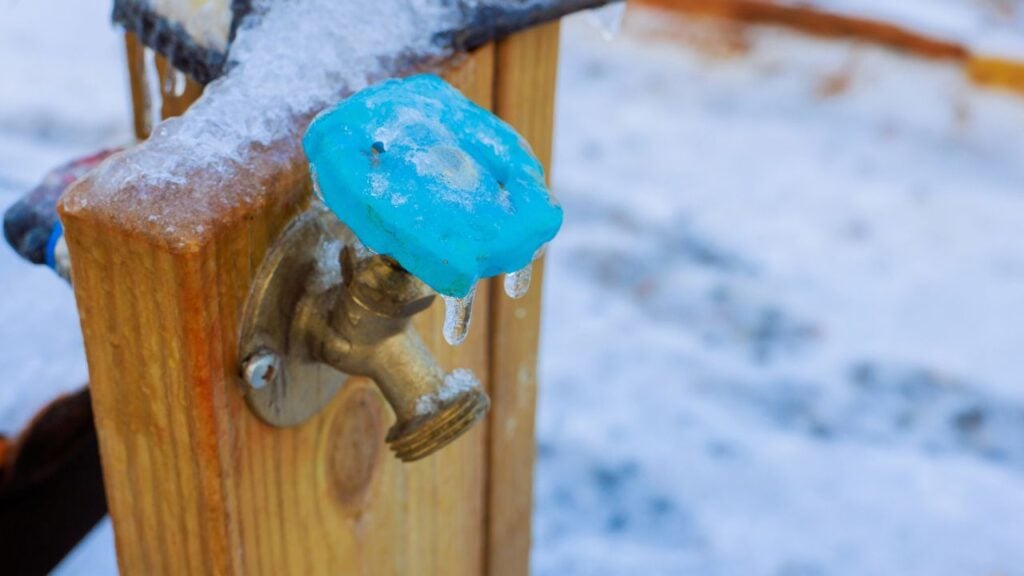
Some chores in New Hampshire can't wait until the first freeze hits.
These are the things New Hampshirites forget to shut off before then.
9 Things New Hampshirites Forget to Shut off Before the First Freeze
6 Town Meeting Habits That Give Away a Lifelong New Hampshirite
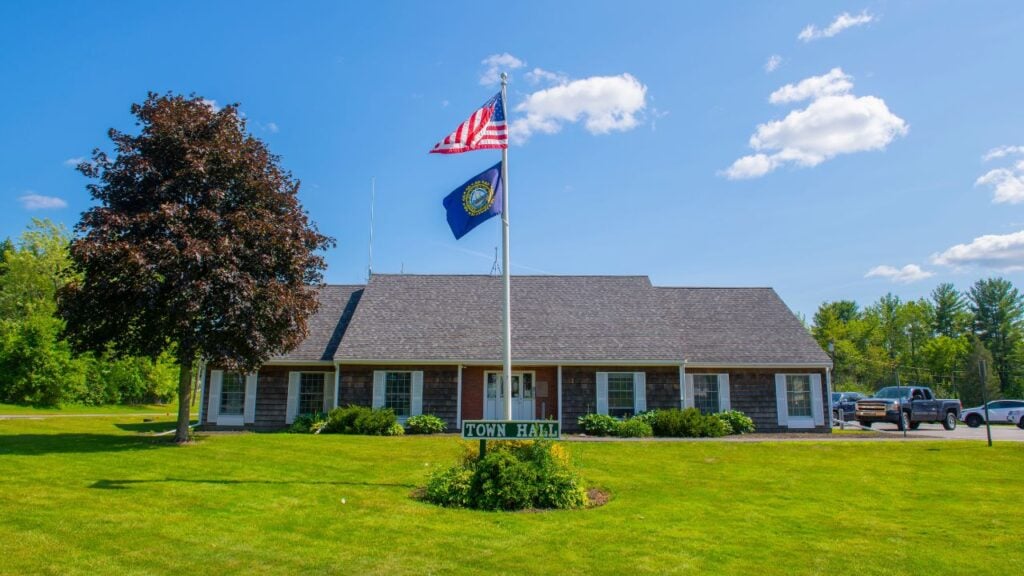
You don't have to ask anyone at a New Hampshire town meeting how long they've lived there.
Sometimes you can tell by how they handle the room.
6 Town Meeting Habits That Give Away a Lifelong New Hampshirite
