
5 Common Ways Georgians Unintentionally Fuel Stereotypes

Many Georgians—and Americans across the nation—use phrases that seem harmless at first glance. But they often carry underlying meanings that reinforce stereotypes.
While they may not always be intended to cause harm, the impact of such stereotypes can be significant, perpetuating outdated beliefs and limiting how people are viewed based on their gender, race, age, or occupation.
Recognizing the following phrases in these five categories is an important step toward fostering more inclusive and respectful communication throughout the U.S.
Gender Stereotypes
Many people use phrases such as “man up” or “boys don’t cry” without realizing that they push the idea that men must be tough and hide their feelings.
These sayings create a narrow view of what it means to be a man and can hurt those who feel they do not fit that mold. They also set a standard that women are more sensitive, which is not always fair or true.
Studies show that repeated exposure to these kinds of phrases can shape young people’s views on gender roles.
My First Five Years explains that language can have a strong impact on how children learn to act and think about gender. It’s important to use words that give kids the freedom to express themselves, no matter their gender.
Racial and Ethnic Stereotypes
Everyday sayings can hint at racial or ethnic stereotypes. Phrases like “act white” or “that’s so ghetto” might be used casually, but they suggest there’s a right and wrong way to act based on a person’s race or background.
These words help to keep old ideas about who belongs and who does not, even when the speaker might not mean to hurt anyone.
According to the StanfordReport, our language can influence and shape cultures, including spreading racial stereotypes.
By becoming more aware of and not participating in phrases like the ones above, we take part in helping to create a shift in how people speak over time.
Age Stereotypes
Some sayings about age, like “you’re too old for that,” can create barriers between different generations. These phrases suggest that older people are not as capable or that they should stick to certain roles.
This kind of language can make older adults feel undervalued and ignored in conversations, especially when in so many cases they have excellent ideas and insights.
On the other hand, young people might also be told to “grow up” in a way that dismisses their thoughts and feelings. Such sayings reinforce the idea that age brings wisdom and respect, while youth is linked with inexperience.
Both of these views oversimplify the truth, as people of all ages have unique strengths.
Simple changes in how we talk about age can help us see everyone as individuals rather than as members of a group defined only by their age.
Occupational Stereotypes
Some everyday phrases tie certain jobs to a person’s gender or background.
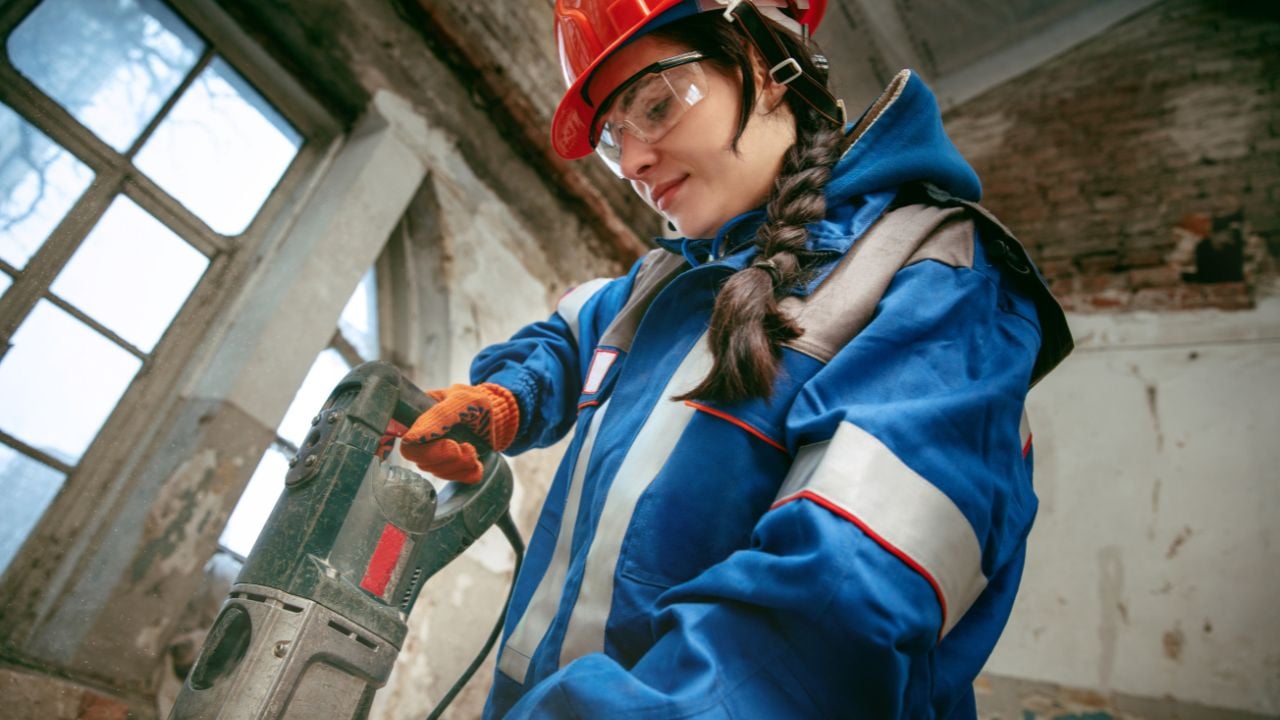
For example, saying “a woman’s place is in the home” or “that’s not a man’s job” suggests that some roles are meant only for one gender.
These sayings can limit the choices that people feel they have about what work they can do, even if they have great skills or a passion for a different career.
This kind of language not only restricts personal growth but also affects society as a whole. When we hear these words over and over, they push people into boxes and make it harder to break old traditions.
Using more occupational-neutral language can help everyone feel free to follow their dreams, regardless of what others might expect of them.
Other Common Stereotypes
There are other sayings that seem fun at first but can actually pigeonhole people. For instance, comments like “all Asians are good at math” or “you’re so sensitive, just like your mom” place people into groups with specific traits.
Even if these ideas might seem like compliments, they are still stereotypes that ignore the full story of a person’s life and talents.
Every time we use these phrases, we miss the chance to see the real individual behind the label.
It is helpful to remember that while some sayings are passed down from generation to generation, they don’t always tell the truth about who we really are.
By choosing our words more carefully, we can help create a world where more people feel valued for their unique qualities.
24 “Compliments” That Are Actually Condescending

Some Americans have mastered the art of a double-edged nice comment. Others, more well-intentioned, don’t mean to say something judgmental but end up there just the same.
“Bless Her Heart.” 24 Compliments That Are Actually Condescending
11 Poor Hygiene Habits Americans Don’t Know They Have

Americans believe in cleanliness, but we may not be as hygienic as we think. These eleven habits reveal where many Americans fail in the hygiene department.
