
5 Heirloom Pie Recipes South Carolina Grandmothers Have Passed Down for Generations

Many of the pies handed down in South Carolina kitchens have never held a spoonful of sugar.
Savory came first.
Oysters, macaroni, and whatever the cook had left over on a Sunday all went into a pie pan, and South Carolinians have called the results pies ever since.
These are the heirloom pies South Carolina grandmothers have handed down, dessert and supper both.
1. Shrimp Pie
Shrimp pie was sitting on Charleston supper tables long before anybody thought to call a baked dish a casserole.
Sarah Rutledge printed two versions of it in 1847, and the Junior League of Charleston printed seven versions in 1950.
That’s seven in one book.
The James Island Shrimp Pie is the recipe families still argue over, and Mrs. John T. Jenkins built hers on a cup of cooked rice instead of a crust.
Cream and eggs bind it to the thickness of custard, ketchup and mace do the seasoning, and breadcrumbs go over the top.
Rutledge kept a separate shrimp dish going in the same century, layering shrimp with stewed tomatoes and pounded biscuit.
When she called for pounded biscuit, she meant crackers, not the breakfast bread you’re picturing.
Oyster crackers come closest today.
Reach for canned stewed tomatoes, and you’ll get a pie.
Stew your own, and you’ll get the pie your great-grandmother would recognize.
2. Sweet Potato Pie
Sweet potato pie is the pie South Carolina families bake by the stack instead of by the slice.
Kardea Brown’s grandmother Josephine, from Wadmalaw Island outside Charleston, makes what Brown describes as an insane amount of it for the family holiday table.
It was never written down.
Brown began copying her great-grandmother’s, grandmother’s, and mother’s recipes while she was still in high school, and that notebook is the only reason some of them exist in ink.
A Charleston doctor named Melvin Brown can name four generations behind his, starting with his grandmother Ruth Blacknall and running through his mother Juanita, his sister, and now his daughter Lilly.
Juanita, a chemistry teacher, made two changes to what Ruthie taught her, adding brown sugar alongside the white and a half teaspoon of nutmeg.
The filling bakes darker and looser than a pumpkin filling.
There’s more nutmeg in it, and a spoonful more butter than a Northern cook expects.
3. Macaroni Pie
Ask for macaroni pie in South Carolina, and somebody sets a plate of baked macaroni and cheese in front of you, cut into squares and served as a side dish.
The name came in from the islands.
Many of the state’s earliest settlers had already lived in the Caribbean before they reached Charles Town, and the Lowcountry kitchen kept their habits along with their words.
Cooks in Barbados still call baked macaroni and cheese macaroni pie.
There’s no crust in it.
The old versions bind with egg and evaporated milk rather than a cream sauce, which is why a proper slice holds its shape when you lift it off the pan.
You’ll find it beside fried chicken at a church supper in Manning and on a plate lunch in Orangeburg.
4. Muscadine Grape Hull Pie
Muscadine grape hull pie puts the part of the grape most people spit out right back into the filling.
You pinch each muscadine at the stem end so the pulp pops into one bowl, and the thick hulls go into another.
Then the pulp simmers until the seeds loosen, every seed comes out through a strainer, and the hulls go back in until they turn tender.
Nobody rushes that step.
Elliott Moss grew up in Florence with muscadine vines on the family property, his father making wine from them and his grandmother baking whole-grape pies.
Hurricane Hugo took those vines down in 1989.
Moss and his pastry chef, Ashley Capps, built their grape hull pie around what he remembered of his grandmother’s, and the skins are what give the filling its color.
Muscadines have grown wild across the Lowcountry for centuries, on backyard arbors and along fence lines nobody planted on purpose.
The bronze grapes go by scuppernong, and they bake into a paler, honeyed filling than the dark purple grapes do.
Psst! How much do you know about the history of American pie? Take our quiz and see if you can ace it.
Quiz
American Pie History IQ
Answer these questions on pie in America, from state laws to a town that named itself after one. We bet you can’t get them all right. Prove us wrong?
One state made apple pie its official state pie and asked servers to make a “good faith effort” to serve it with milk, cheddar, or ice cream. Which state?
5. Oyster Pie
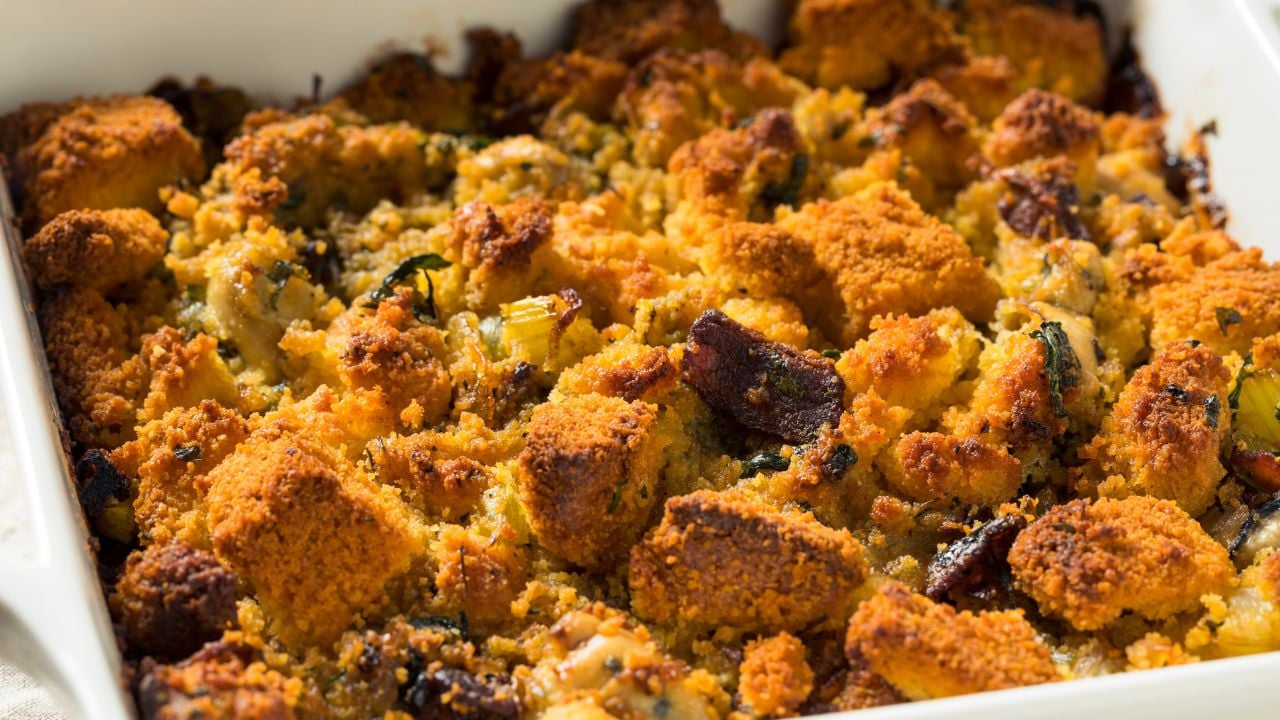
Many Lowcountry families bake oyster pie exactly once a year.
Thanksgiving is usually when it happens.
Some households call it scalloped oysters instead, depending on whose mother was doing the naming.
Either way, it's layers rather than pastry: Buttered saltine crumbs, oysters, mushrooms, more crumbs, then milk and reserved oyster liquor poured over until the liquid puddles on top.
Alex Sanders, who led the College of Charleston from 1992 to 2001, learned his oyster pie from his mother.
Go easy on the salt.
Oysters pulled from South Carolina creeks run small, briny, and sweet, so Sanders skips the pinch of sugar other versions call for.
An hour at 350, covered, and the top sets into something between a pudding and a stuffing.
When Pie Meant Supper
Three of the pies above hold no sugar at all, and the reason traces back to Sunday afternoons in old Charleston.
Many downtown households in the late 1800s employed a cook, and she traditionally had Sunday afternoons off.
So before she left, she assembled a savory dish the family could slide into the oven at supper time on their own.
Everybody called it a pie.
Leftover meat, poultry, fish, or shellfish from the midday meal went in with rice, stale bread, or cracker crumbs, and whatever came out of the pan carried the name.
Families kept that habit long after those households were gone, which is how South Carolina ended up with three beloved pies nobody rolls a crust for.
The Rice That Almost Vanished
Rice sits at the bottom of more than one South Carolina pie, and the grain that made the Lowcountry famous came close to disappearing for good.
Carolina Gold fed a rice economy that ran for two centuries, then lost out to varieties that grew easier elsewhere, and by the Great Depression it was virtually extinct.
Ducks brought it back.
Richard Schulze, an eye surgeon, planted rice at his Hardeeville property in the mid-1980s to draw ducks in for hunting, then went after Carolina Gold in earnest.
He started with 14 pounds of seed from a federal seed bank and harvested 64 pounds that first season.
By 1988 the harvest ran 10,000 pounds a year.
The Carolina Gold Rice Foundation works to keep both Carolina Gold and its newer cousin, Charleston Gold, in the ground and on South Carolina tables.
Where the Receipts Were Written
Older South Carolina cooks call a recipe a receipt, and the two books holding most of these pies both use that word on the cover.
Sarah Rutledge, daughter of Declaration signer Edward Rutledge, gathered nearly 550 receipts into The Carolina Housewife in 1847.
She published it anonymously, credited only to a Lady of Charleston.
A Charleston woman's name reached print exactly three times in her life: When she was born, when she married, and when she was buried.
Anything else was a scandal.
The Junior League of Charleston followed in 1950 with Charleston Receipts, now the oldest Junior League cookbook still in print.
Just under 884,000 copies have gone out the door since, and The New York Times singled it out as the standard every regional cookbook is measured against.
Inside its 750 receipts you'll also find Gullah verses and sketches drawn by Charleston artists.
11 Small-Town South Carolina Diners Locals Drive Out of Their Way For
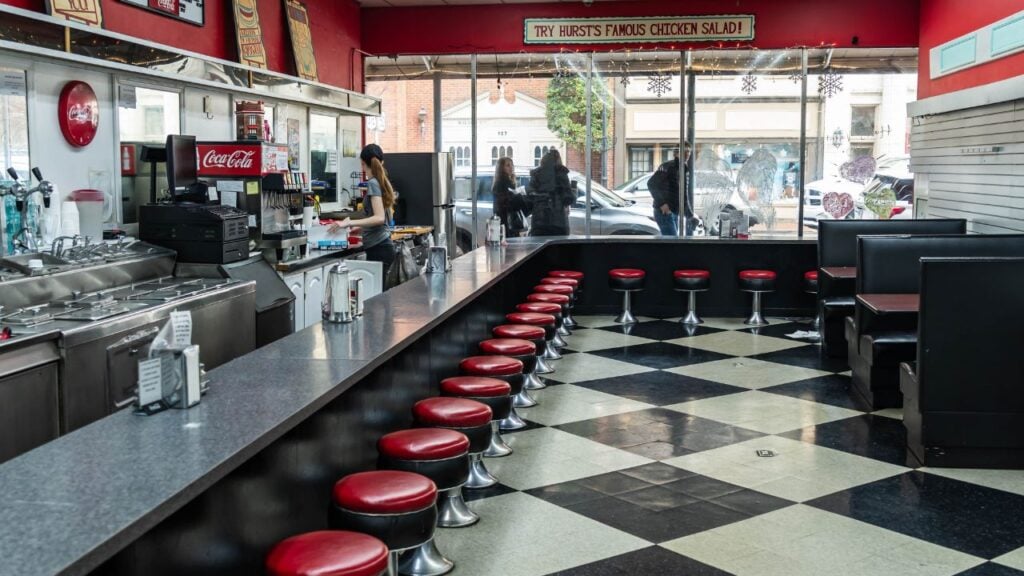
Ask a small-town South Carolinian where to eat, and they won't send you to a chain.
They'll point down a back road toward a cinderblock building with a hand-painted sign, and the drive is the whole point.
11 Small-Town South Carolina Diners Locals Drive Out of Their Way For
9 Things South Carolinians Do at Sunday Dinner That Baffle Newcomers
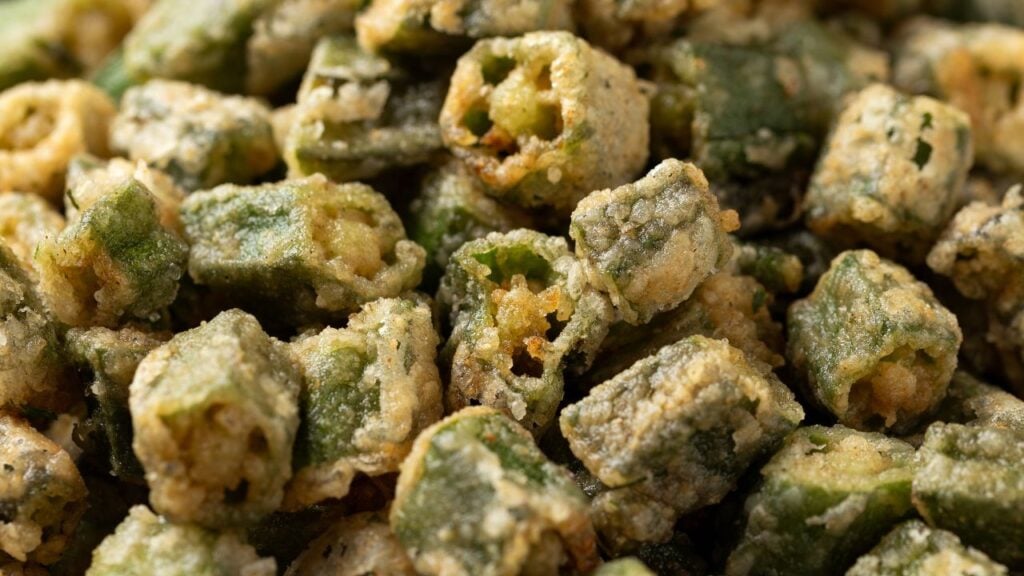
A South Carolina Sunday table can hold seven dishes, and the cook still apologizes that there's not much.
Nobody from out of state believes her, and the bowls keep coming until there's no bare wood left on the table.
9 Things South Carolinians Do at Sunday Dinner That Baffle Newcomers
