
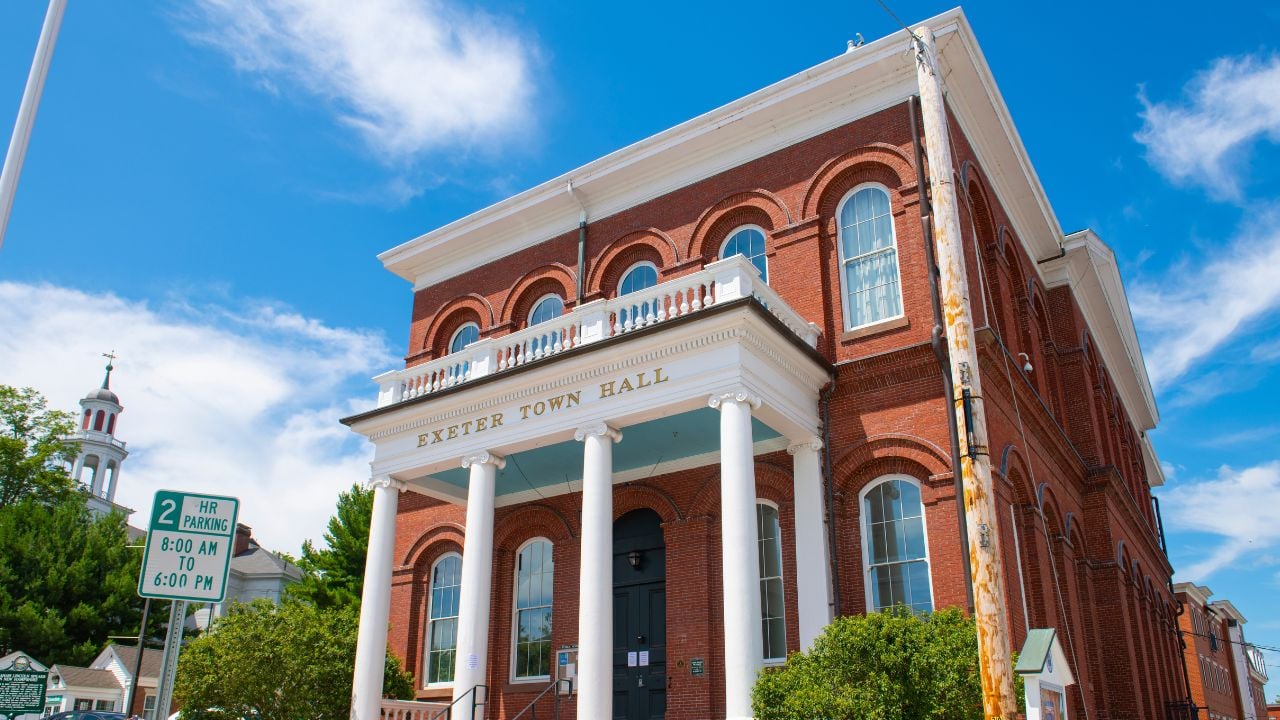
5 Questions New Hampshire Town Clerks Get Asked Every October

New Hampshire spreads its town business across 234 separately elected clerks, one for nearly every city and town in the state, according to the New Hampshire Municipal Association.
Every one of them fields the same handful of questions once the leaves turn.
These are the questions New Hampshire town clerks get asked every October.
Note: This is general information, not legal or tax advice. Deadlines and rules can shift from year to year, so confirm the current specifics with your town clerk’s office.
1. Am I Still on the Checklist?
The same question follows New Hampshire’s town clerks year after year, once the leaves start turning.
State law requires the supervisors of the checklist to hold one required session each year.
That session corrects the checklist, registers new voters, and by law has to fall 6 to 13 days before an election.
New Hampshire’s cities run this identical session for their elections too.
Several cities hold those elections in November of odd years rather than even ones, so the same October rush repeats on a different clock.
A city clerk posts that same 6-to-13-day notice ahead of a mayor’s race that a small-town clerk posts ahead of the state’s general election.
For the Nov. 3, 2026 general election, that window falls Oct. 21 through Oct. 28, spanning the last two weeks of October.
Not every town picks the same date.
Each clerk posts the exact time and place locally, which is why so many October calls open with the same question about their town’s session.
If you miss it, New Hampshire’s same-day registration still covers you.
A voter can register right at the polls on Election Day with proof of identity and where they live.
A driver’s license usually covers identity, and something like a lease or a utility bill covers the address part.
That’s the backup plan.
2. What About an Absentee Ballot?
New Hampshire town clerks spend October handing out absentee ballot applications one at a time.
New Hampshire isn’t a no-excuse state, so a voter needs a qualifying reason to skip the polls.
The list covers being out of town, a religious observance, a disability or illness, and a work or caregiving commitment.
A narrower exception covers Election Day storms too.
It applies only when the National Weather Service issues a winter storm, blizzard, or ice storm warning for that day.
Even then, only two kinds of voters qualify.
One is elderly, infirm, or disabled and fears traveling in the storm.
The other cares for children or infirm adults and expects that care to be canceled by the storm.
That surprises people.
That same odd-year city cycle pulls in absentee requests too.
For the Nov. 3, 2026 general election, the deadline to request a ballot by mail is noon on Nov. 2, the Monday before Election Day.
A completed ballot still has to reach the clerk by 5 p.m. on Election Day, whether it arrives by mail or in person.
Cutting it that close makes clerks nervous every year.
Who Can Hand-Deliver a New Hampshire Ballot
New Hampshire limits who can carry a completed absentee ballot to the town clerk on someone else’s behalf.
A delivery agent has to be a close relative under state law, such as a spouse, parent, sibling, child, or in-law.
Nursing homes and residential care facilities can also designate a staff member to deliver ballots for residents.
Anyone acting as a delivery agent has to show photo ID at the clerk’s counter.
A person helping a blind or disabled voter can carry ballots for up to four voters at once.
3. Why Did My Tax Bill Change?
This is the question waiting at every New Hampshire town clerk’s counter once the state finishes its fall math.
New Hampshire’s Department of Revenue Administration sets each town’s final property tax rate in the fall.
Towns mail the resulting bill in late October or early November.
That bill lands on top of an earlier estimated bill from July.
The final number rarely matches what a homeowner guessed, and that gap catches many taxpayers off guard every fall.
In a lot of small New Hampshire towns, the same person answers as both the clerk and the tax collector.
State law lets a town fold the two elected jobs into one office.
It’s one counter, two hats.
Psst! How much do you know about New Hampshire’s state and town government? Take our quiz and see how many you can get right.
Quiz
Granite State Gov IQ
Answer these questions on New Hampshire’s state and town government. We bet you can’t get them all right. Prove us wrong?
How many members sit in the New Hampshire House of Representatives?
4. Do I Need a New Hunting License?
New Hampshire town clerks turn into part-time license agents once muzzleloader season gets close.
Many clerks sell hunting and fishing licenses right at the counter, an arrangement the state's Fish and Game Department sets up with license agents town by town.
New Hampshire's muzzleloader deer season opens Oct. 31 this year, right before the regular firearms season starts Nov. 11.
Hunters who put off buying a license all summer show up the same week, ready for opening day.
The line moves fast.
Clerks mostly just need a hunter's ID and the fee, not a lecture on wildlife management unit boundaries.
5. Can We Marry Today?
This question gets a yes from New Hampshire town clerks more often than people expect.
New Hampshire sets no waiting period on a marriage license.
Any city or town clerk in the state can issue one, not only the clerk in the town where the wedding happens.
A completed license stays valid for 90 days and costs a flat state fee.
Both people marrying have to show up together with photo ID.
October's foliage season pulls many couples into New Hampshire for a fall wedding, and some make the decision on the trip.
They walk into whichever town hall happens to be open.
It's often same-day paperwork.
A Clerk for Every Town
New Hampshire keeps local government small on purpose.
The state spreads its work across 234 cities and towns, according to the New Hampshire Municipal Association.
Nearly every one elects a clerk rather than routing residents through a county office.
New Hampshire's counties mostly handle courts, corrections, and a few shared services.
A county commissioner carries far less weight in New Hampshire than a county commissioner does in many other states.
The town clerk's counter handles the bulk of the day-to-day load instead.
Counties barely register.
Many New Hampshire towns still settle their budgets at an open town meeting every March, where any registered voter can stand up and vote directly on the warrant articles.
A show of hands there can set the tax rate, buy a new fire engine, or block a zoning change, all in one long Saturday morning.
9 Things Everyone Gets Wrong About New Hampshire, According to People Who Live There
Interstate 93 through the White Mountains only shows a visitor so much of New Hampshire.
Granite Staters hear the same confidently wrong assumptions on repeat, and they're ready to set the record straight.
9 Things Everyone Gets Wrong About New Hampshire, According to People Who Live There
8 Market Basket Deals New Hampshire Shoppers Plan Their Week Around
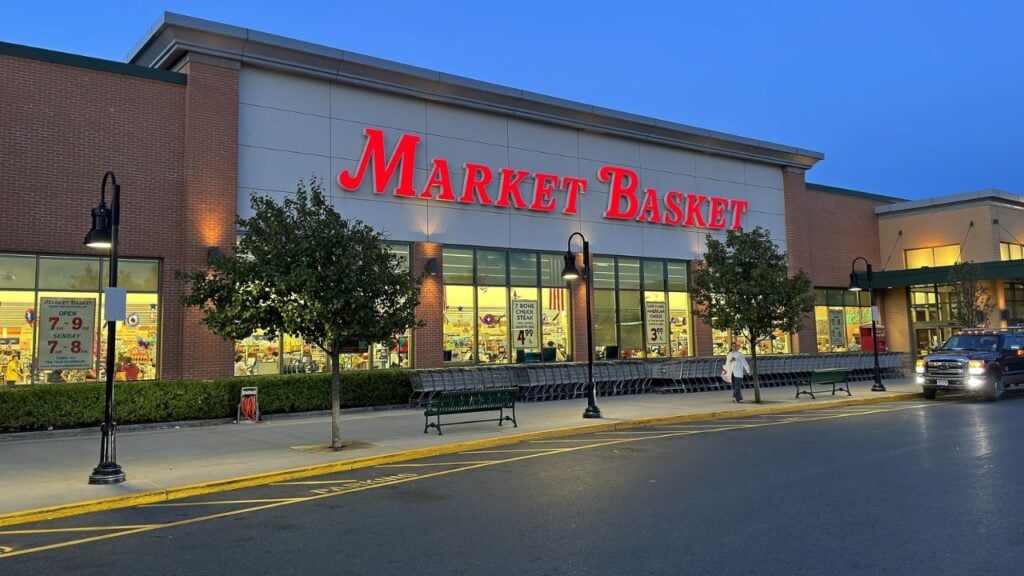
A Market Basket shopper in Nashua can fill a cart without ever swiping a loyalty card, and still beat the price down the road.
The parking lot along Route 3 stays packed for a reason.
8 Market Basket Deals New Hampshire Shoppers Plan Their Week Around
