
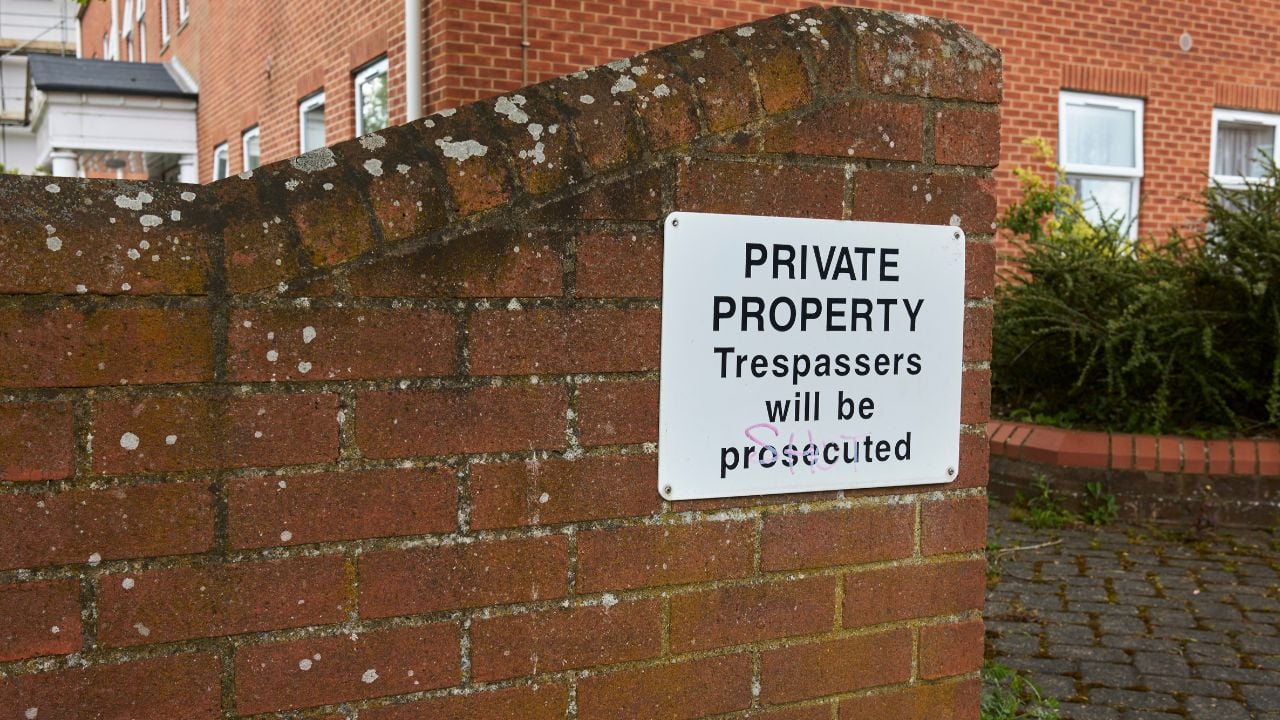
5 Squatter Laws Every Oklahoma Homeowner Needs to Know in 2026

If you’re spending part of this holiday weekend checking on a house that sits empty, you’ll probably walk the rooms, test the locks and head home.
It’s a good habit.
It also helps to know what the law says if you ever find someone living there.
These are the squatter laws every Oklahoma homeowner needs to know in 2026.
Note: This is general information, not legal advice. Property laws and required timelines are subject to change.
1. 15-Year Clock
A squatter can’t claim your property overnight, but 15 years of staying put can change that.
Oklahoma’s code still sets a 15-year limit on suing to recover real estate when no other deadline applies.
A squatter’s claim has to run the full 15 years before it can win.
That’s a long wait.
If you own a vacant house or an empty lot, you’ll want to know who’s staying there long before those 15 years are up.
In court, a squatter has to prove every element of the claim, including open, exclusive and continuous possession, by clear and positive proof.
2. Sheriff Removal Complaint
You don’t have to start in a courtroom.
A 2024 removal law lets you file a sworn complaint with your county sheriff.
Your complaint works only if every condition fits.
You or your agent must have told the occupants to leave, and they can’t be current or former tenants or show a lease you or your agent signed.
The sheriff then verifies you’re the owner or agent and serves a notice to vacate without unnecessary delay.
What the Sheriff Route Can Cost You
For serving a squatter notice to vacate, the sheriff is entitled to the same fee as for serving a writ of execution.
If you ask the sheriff to stand by while you change the locks, you pay the sheriff’s reasonable hourly rate.
Someone who is wrongfully removed can sue the person who asked for the removal.
A court can restore their possession and award actual costs and damages, triple the dwelling’s fair market rent, court costs and attorney fees.
That adds up fast.
The sheriff isn’t liable for lost or damaged belongings, and you aren’t either, unless the removal was wrongful.
3. District Court Case
If the sheriff’s process doesn’t fit, you can file a civil lawsuit in district court, called a forcible entry and detainer case.
The case covers people living on your property with no apparent title, plus tenants who stay past their lease.
A former tenant who won’t leave falls outside the sheriff’s process, so this lawsuit is how you remove them.
The removal law says it can’t be used to get around landlord-tenant rights.
If the court finds the occupants are holding your property unlawfully, it gives you back possession.
You can add claims for unpaid rent or damage to the property to the same case.
Service on the occupants has to happen at least three days before trial.
The code sets a two-year deadline for this kind of case, so don’t wait too long to file.
6 Fence Law Rules That Decide Who Pays in Oklahoma

A fence on your property line has to meet certain standards.
A fence that falls short can leave someone with the bill.
6 Fence Law Rules That Decide Who Pays in Oklahoma
4. Fake Lease Crime
Handing you a fake lease or deed to stay on your property is a crime in Oklahoma.
The paper only has to look like a valid lease, deed or other document that conveys property rights.
Paper isn’t proof.
It’s a misdemeanor, with up to a year in county jail, a fine of up to $1,000, or both.
And if the lease isn’t one you or your agent signed, it doesn’t stop you from filing a sheriff complaint.
5. Home Damage Felony
A squatter who intentionally causes $1,000 or more in damage to your home can face a felony in Oklahoma.
The charge applies once the sheriff has removed the squatter.
A felony conviction can send a squatter to state custody for up to three years, and the fine can reach $10,000.
The removal law doesn’t limit an officer’s power to arrest a squatter for trespassing, vandalism or theft.
If you find damage after a removal, take photos and get written repair estimates.
Psst! How much do you know about owning a home in Oklahoma? Take our quiz and see if you can ace it.
Quiz
Oklahoma Homeowner IQ
Answer these questions on Oklahoma property taxes, homesteads and rental rules. We bet you can’t get them all right. Prove us wrong?
A tenant moves out of an Oklahoma rental and never asks for the deposit in writing. How long until it reverts to the landlord?
More Conditions for a Sheriff Complaint
Government paperwork can keep you from using the sheriff process.
If an occupant can show a Service Oklahoma or Election Board record listing your property as their address within the past 12 months, your complaint doesn't qualify.
The process doesn't cover your immediate family, or anyone you're already in court with over the property.
The sheriff may arrest anyone found on the property for trespass, outstanding warrants or any other legal cause.
Yard and Field Trespass Charges
Oklahoma's general trespass law applies to anyone who willfully or maliciously enters your garden, yard, pasture or field without your permission or after you've forbidden it.
That includes a squatter, and you don't have to warn anyone first.
The base penalty is a fine of up to $250.
If the person commits or attempts theft or damage there, it becomes a misdemeanor.
That brings a fine of $50 to $500, 30 days to six months in county jail, or both.
Weak Spots in a Squatter's Claim
Claiming land by living on it for 15 years is called adverse possession, and Oklahoma's Supreme Court calls it disfavored.
Paying property taxes doesn't decide a claim, though it can show who's acting like the owner.
In a questionable case, the presumptions favor the person holding record title, so you start ahead if your name is on it.
Shared use hurts a squatter's claim because the possession has to be exclusive.
When you and a squatter both use the same land, mixed possession can never become exclusive control of it.
7 Things Oklahomans Will Only Buy at One Convenience Chain

For many Oklahomans, one convenience chain stands apart from the rest.
There's even a frozen drink that goes by one name and one name only.
