
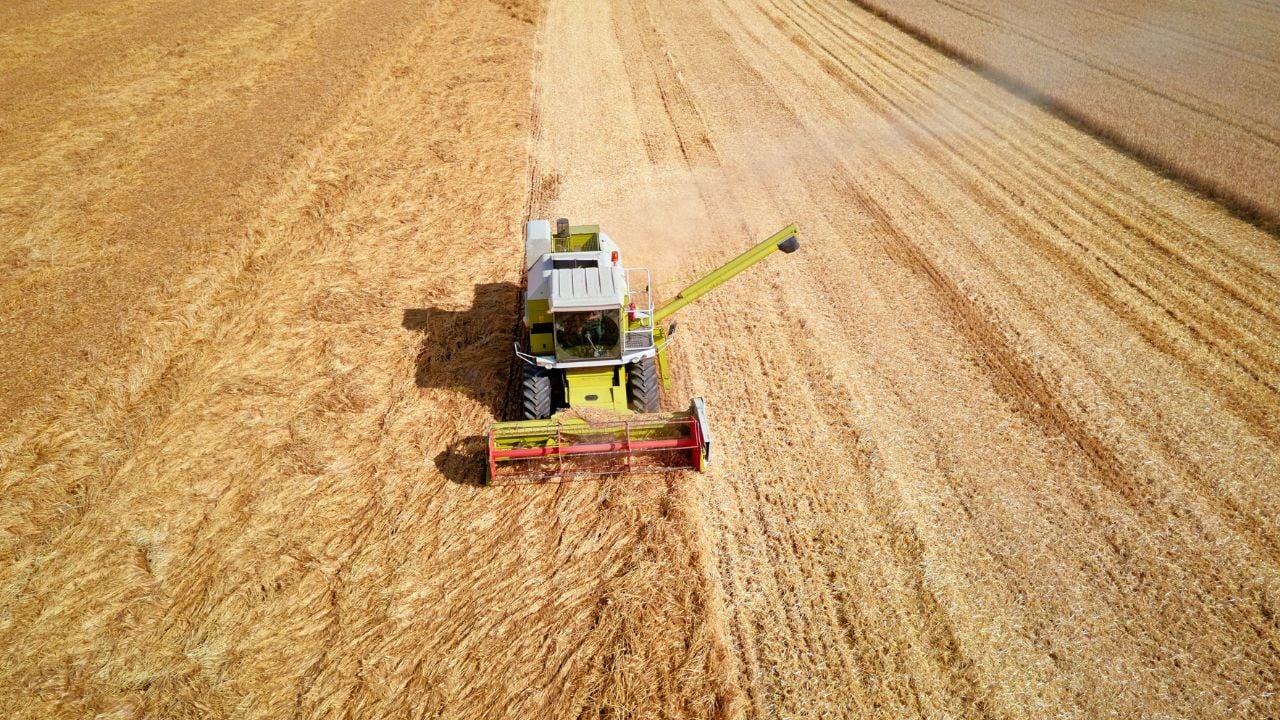
5 Things Kansas Neighbors Do for Each Other During Harvest Season That Visitors Find Touching

In June 2020, seven combines rolled onto the same wheat field outside Garden Plain within an hour of each other.
None of them belonged to the farmer who owned it.
By nightfall, 550 acres were cut and in the bin, and nobody sent the owner a bill.
These are the things Kansas neighbors do for each other during harvest season that visitors find touching.
1. Racing Out the Moment Smoke Shows Up
Kansas volunteer fire departments are often stocked with the same people who run the combines.
So when harvest season turns a dry field into kindling, the response comes from right next door.
Not a figure of speech.
A McPherson County farm family found that out one night during a fall harvest.
A neighbor down the road noticed flames in a cornfield after dark and called to ask if it was a planned burn.
It wasn’t.
Sirens carried across the flat farmland within minutes.
The water tankers and personal trucks racing down that rural road belonged to farms scattered in every direction.
They drove straight through the corn stalks and stopped the fire line a few hundred feet short of the family’s popcorn crop.
Kansas farmers count on that response because so many volunteers wearing the turnout gear also run a combine by day.
Why Kansas Harvest Turns Risky So Fast
Kansas harvest runs on a narrow moisture window, and that window is exactly why fires spread the way they do.
Grain has to dry down close to 10% moisture before a combine starts cutting it, or the elevator docks the price and pays less for every bushel.
That same bone-dry grain and stubble is what lets a hot bearing or a stray spark turn into a moving fire within minutes.
That speed is why the response has to be fast instead of careful.
2. Finishing a Neighbor’s Harvest for Free
Sedgwick County farmer Jerry Hahn learned exactly how much his neighbors cared about him during the third week of June 2020, right as his wheat came ready.
Neighbors Phil Klein and Mark Pauly had found out that spring that Hahn was fighting stage 2 pancreatic cancer, so they started making calls around Garden Plain.
More than 20 people and seven to ten combines showed up, and by that night they had cut every one of Hahn’s 550 acres of wheat.
In a single day.
Hahn’s family says he rarely lets himself cry, but watching combines, grain carts, and trucks roll onto his ground that morning was more than he could hold back.
Hahn had told the volunteers to finish their wheat first.
Many of them hadn’t, and they came anyway.
His son Shane expects Hahn to climb back into a combine himself once he’s well, ready to help the next Garden Plain neighbor who needs it.
3. Feeding the Crew That Isn’t Theirs
Bertha Schroeder’s family near Goessel, in Marion County, Kansas, once set the harvest dinner table for a dozen men every day, and most of them weren’t hers.
Central Kansas farmers ran their wheat harvest through neighborhood threshing rings, trading crews from farm to farm until they’d threshed every family’s wheat in turn.
Whoever’s turn it was to thresh that day was also whoever’s turn it was to cook for everyone else’s crew.
Schroeder’s mother packed a mid-morning “little breakfast” of cinnamon rolls or bologna sandwiches and carried it out to the field by 9 a.m.
The food traveled in dishpans lined with clean towels because nobody in the family owned a picnic basket.
Noon dinner sat a dozen men down in the front room.
An afternoon “faspa” of coffee and zwieback went back out to the field once the dishes were done.
Goessel’s Mennonite Heritage and Agricultural Museum still cooks those same harvest meals every year for its Country Threshing Days.
Nobody left hungry.
4. Throwing a Fundraiser to Cover the Loss
Atchison County farmer Eric Krutz was getting his combine ready for corn harvest in September 2024 when he heard a banging sound in the corn head.
A power switch failure pulled his arm into the row unit while he checked it, and doctors later amputated his thumb after a 9.5-hour surgery in Kansas City.
Krutz faced at least three more surgeries and weeks in the hospital.
His wife had recently lost her job too, when the long-term care facility she worked at closed.
The Atchison County Mail reported that a GoFundMe titled “Aid Eric’s Family During His Long Hospital Stay,” plus a Venmo account, went up to help cover the family’s bills.
Kansas Living Magazine has reported the same instinct playing out in other farm communities.
Neighbors there fire up their combines to bring in a sick farmer’s crop, then throw pancake feeds and barbecues to help cover medical bills or a rough year.
Krutz and his wife still had two young boys at home to look after through all of it.
Psst! How much do you know about Kansas wheat and harvest trivia? Take our quiz and see how many you can get right.
Quiz
Kansas Harvest IQ
Answer these questions on Kansas wheat, harvest history, and farm trivia. We bet you can’t get them all right. Prove us wrong?
Kansas is often nicknamed “The Wheat State,” but that’s not official. What is the state’s official nickname?
5. Still Showing Up, Harvest After Harvest
Neighbors outside Dorrance, Kansas keep helping bring in a hometown farm's wheat years after the man who first tied them all together is gone.
Tom Murphy and his wife live down the road from a farm that once belonged to a college friend of his.
That friend passed away roughly ten years before Murphy told his story to Catholic Rural Life, and his sons took the farm over.
Murphy and other neighbors around Dorrance never stopped showing up.
Their help hasn't stopped since.
They still lend a hand in the field or the kitchen every harvest, whichever job the sons happen to be short that week.
Nobody in Dorrance treats it as a favor that runs out.
At lunchtime, the crew still sits in whatever shade a semi throws, splitting a meal of lasagna or casserole somebody pulled together that morning.
The crews still keep a friendly competition going too, comparing whose combine cut the most acres and hauled the most bushels to the elevator that day.
10 Things That Only Make Sense to People Who Grew Up in Kansas

Can you name the four Kansas counties where the clocks run an hour behind the rest of the state?
Kids can, along with a stack of other facts, habits, and words that stop making sense the second anyone crosses the state line.
10 Things That Only Make Sense to People Who Grew Up in Kansas
8 Hy-Vee Etiquette Rules Kansas Shoppers Wish Everyone Followed

A shopper at a Lenexa Hy-Vee lets go of her cart to wave at an old coworker, and it rolls three parking spaces before stopping.
Over at the store's Market Grille, another shopper picks a table without waiting to be seated, and neither shopper means any harm by it.
8 Hy-Vee Etiquette Rules Kansas Shoppers Wish Everyone Followed
