
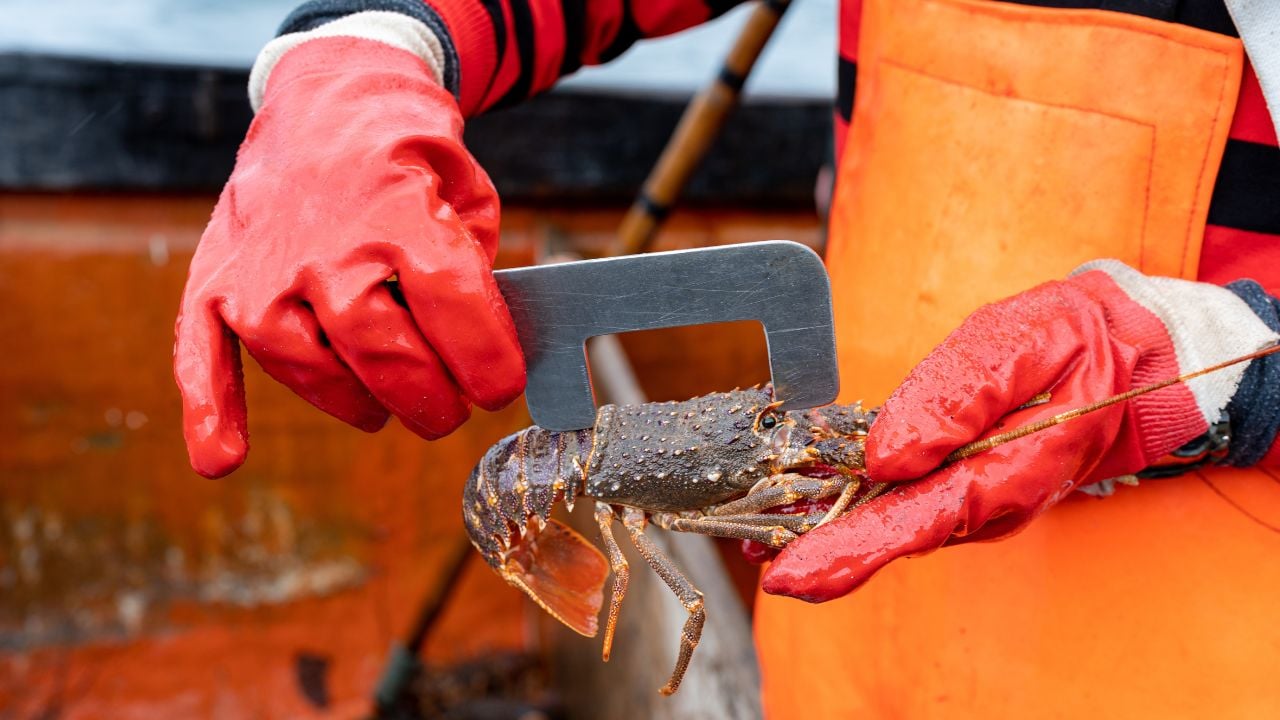
5 Things Mainers Do When Lobster Boats Come In That Tourists Find Fascinating

Maine bans hauling a lobster trap from a half hour after sunset until 4 a.m. through September and October.
The rule holds no matter how the day’s fishing went.
So every boat in the harbor comes in on the same clock, and what happens on the wharf in that window is worth standing still for.
These are the things Mainers do when lobster boats come in that tourists find fascinating.
1. Sorting the Catch Into Three Crates
A sternman starts sorting the catch before the engine even cuts, one of the first things Mainers do the moment a boat ties up.
At many wharves, three crates line up on the float before the boat is fully tied off.
New-shells go in one, hard-shells go in another, and the cleanest lobsters go in a crate dealers call select.
Visitors leaning on the rail usually expect one crate of lobsters coming off a boat.
Instead, they watch three crates moving in different directions before the first lobster ever reaches a scale.
The grading decides the price.
A crate of uniform, hard-shell lobsters brings more money than a mixed crate, so the sternman has to get the split right the first time.
The whole sort has to move fast, too, before the next boat needs the same float.
2. The Hydraulic Hoist’s Heavy Lifting
Mainers unloading a boat let a machine take the strain that used to break backs.
A crew member works from a skiff tied alongside the hull, hooking each 90-pound crate to a hydraulic hoist mounted on the wharf.
The hoist operator above lifts the crate clear of the water and swings it onto a waiting pallet.
No one muscles it.
That surprises visitors who show up expecting to see someone hauling each crate up hand over hand.
On a busy shipping day, that same hoist can move well over a hundred crates across one wharf before the trucks finally pull out.
3. Weighing the Catch at the Wharf
A buyer is often standing at the float before the boat even ties up, and Mainers know the scale comes before anything else.
Either a co-op weighmaster or a dealer does the weighing, loading each sorted crate onto a dock scale.
Crews load every crate to just over ninety pounds, then pull lobsters back out until it settles at exactly ninety.
The extra goes into a smaller crate called a partial.
No dispute.
The buyer fills out a slip in triplicate, recording the crate counts by grade, the total weight, and how much bait the boat used that trip.
Tourists watching from the wharf often assume the price is fixed like a menu, but a dealer sets it fresh, crate by crate, that same morning.
By the time the final crate is weighed, many captains walk off the wharf with the day’s money already settled.
The Math Behind Maine’s 800-Trap Limit
Maine caps every commercial lobster license at 800 traps in the water at once, no matter how big the boat or how long the captain has fished.
The Department of Marine Resources can set a lower ceiling for a certain zone, but 800 is the hard limit everywhere else in the state.
How many hands can help haul and sort all those traps depends on the license class.
A Class I license holder can’t bring an unlicensed helper aboard at all.
A Class II license holder can bring one sternman aboard, but only under direct supervision.
A Class III license holder can bring up to four.
4. Fueling up and Restocking Bait
Fuel and bait come next for Mainers, right at the same wharf where the crew just sold the day’s catch.
Many working wharves double as fuel docks and bait dealers, so a captain can gas up and restock the bait barrels without leaving the same stretch of dock.
Visitors who watch a boat tie up often assume the day ends right there.
Instead, they’re watching a captain set up for tomorrow before the lines are even coiled.
The turnaround starts immediately.
With a full tank of gas and a fresh load of bait, many captains can leave the wharf again before first light, with no other stop along the way.
Psst! How much do you know about Maine’s lobster boats coming in? Check off what you already knew, and see how you score.
5. When the Boats Have to Be In
Mainers on the coast don’t need to check a clock to know when the boats should be tied up.
Maine law bans hauling a lobster trap from a half hour after sunset until 4 a.m. through September and October, and the rule holds no matter how the day’s fishing went.
The deadline doesn’t bend.
A tighter version runs all summer, too, when boats also have to stay ashore from four o’clock Saturday afternoon until Monday morning.
So when dusk starts settling over a working harbor, many Mainers glance at the water without planning to, the same way they’d check a clock.
Anyone who knows to look catches the boats stringing back toward the breakwater in a loose line at that hour, an hour most visitors never think to watch for.
A few captains cut it close enough that the last boat in gets a nod from whoever’s already tied up.
9 Things Everyone Gets Wrong About Maine, According to Mainers

Nearly every visitor who drives home from Maine walks away sure of a few things that turn out to be wrong.
A Mainer could correct half of it before the car even clears the state line, starting with which mountain gets the country’s first sunrise.
9 Things Everyone Gets Wrong About Maine, According to Mainers
9 Things Nobody Warns You About Before Moving to Maine
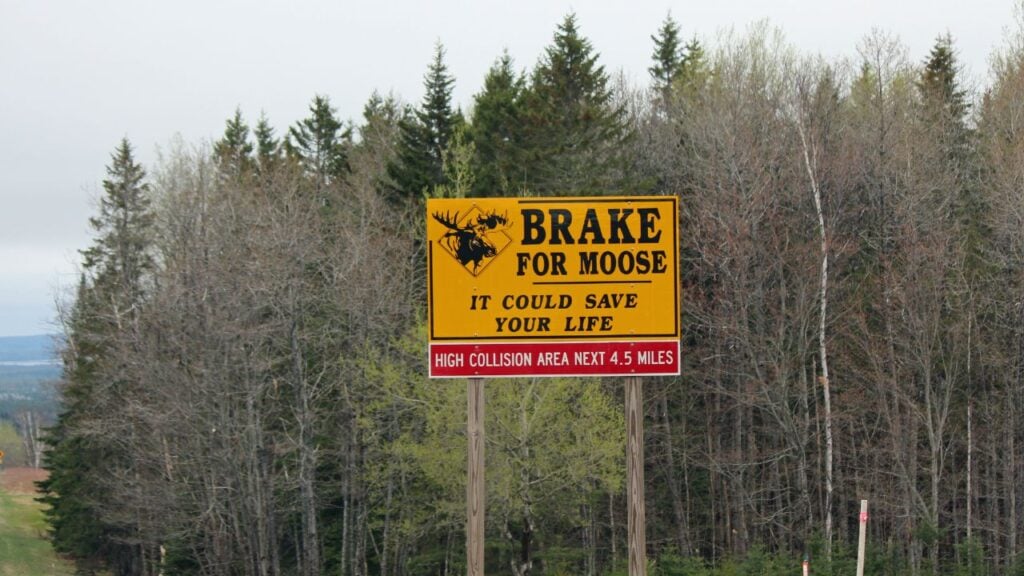
Maine is the most rural state in the country, and that kind of space rewrites a few rules new residents assume hold everywhere else.
Some of what catches people off guard costs money every single year, starting with a car tax that never fully goes away.
