
5 Things New Mexico Neighborhoods Do Differently When Monsoon Season Ends

Albuquerque’s Embudo Arroyo rose past 10 feet during a flash flood warning this July, gauge readings showed.
Monsoon season closes September 30.
Once that date passes, New Mexico neighborhoods start doing a set of things nobody bothers with while heavy rain can still undo the work.
These are the things New Mexico neighborhoods do differently when monsoon season ends.
1. Turning Sprinklers Back On
New Mexico neighborhoods on Albuquerque-area watering schedules get a scheduling break each fall: Some utilities allow up to two waterings a week for many yards in September and October.
During a wet monsoon stretch, though, many households skip that scheduled cycle entirely.
A half-inch of rain can reset the soil’s moisture for days, so the timer just sits there unused.
Once the storms stop for the season, that free water disappears with them.
Albuquerque’s Water by the Numbers program still allows watering twice a week through October.
Neighborhoods that spent August skipping cycles after every downpour go back to using every one of those days.
No rain means no excuse.
2. Checking Stucco for Damage
New Mexico neighborhoods built on adobe and pueblo-revival stucco spend the days after monsoon season walking their exterior walls.
They’re looking for staining that wasn’t there before the rain.
Monsoon storms drive moisture behind stucco cracks that daily heat and cold have already split open.
A contractor who works Placitas and Rio Rancho homes says those same cracks widen fast once freeze-thaw cycles start at higher elevations.
It adds up fast.
Catch it now, and it’s a patch job.
Wait until January, and it’s a wall.
How Big a Stucco Crack Matters
New Mexico stucco cracks constantly from ordinary heat and cold, so not every line in the wall is a problem.
A hairline crack narrower than 1/16 of an inch is considered normal thermal movement.
Anything wider than that is a path for water.
Every night the temperature drops below freezing, trapped moisture behind the crack expands and pries it open a little further.
3. Walking the Arroyos Again
Neighborhoods near New Mexico’s dry arroyos spend monsoon season watching the sky.
Dry channels can turn into fast-moving water with almost no warning once a storm cell moves through.
A storm miles away can flood an arroyo that never saw a drop of local rain.
The National Weather Service’s Albuquerque office warns that a flash flood in one of these channels can rise 30 feet or more within minutes.
That’s fast enough to move boulders and sweep away cars.
Albuquerque’s Embudo Arroyo rose past 10 feet during a flash flood warning in July 2026, gauge readings showed.
That’s why families near a channel build the habit of checking the sky before letting a dog off leash near the bank.
The nerves settle down.
Once the season’s rain stops for good, the caution eases off with it.
Dog walkers, cyclists, and evening joggers reclaim the arroyo paths as ordinary neighborhood shortcuts again, instead of places to watch nervously from the bank.
Psst! How monsoon-ready is your New Mexico neighborhood? Run through this checklist and see where you stand.
4. Clearing Out the Canales
Canales carry monsoon runoff off flat roofs in New Mexico’s adobe and pueblo-style neighborhoods, the spouts angled out past the parapet wall instead of down through a gutter.
They take their heaviest use of the year during monsoon season.
By the time the rain lets up, they’re packed with leaves, seed pods, and roofing grit.
A clogged canale doesn’t drain.
It ponds instead.
Standing water on a flat roof is exactly what a New Mexico restoration crew says homeowners should check for.
Homeowners clear a canale after any big storm.
But the thorough pass waits for monsoon’s official close on September 30, once no more heavy rain is left to undo the work.
New Mexico’s first hard freezes follow within weeks of that date.
Standing water trapped behind a clogged canale stops being just a drainage problem and becomes a freeze-thaw problem too.
So homeowners get up on the roof one more time once the season is done, clearing every spout by hand before the cold sets in.
They check that each one still slopes away from the wall the way it’s supposed to.
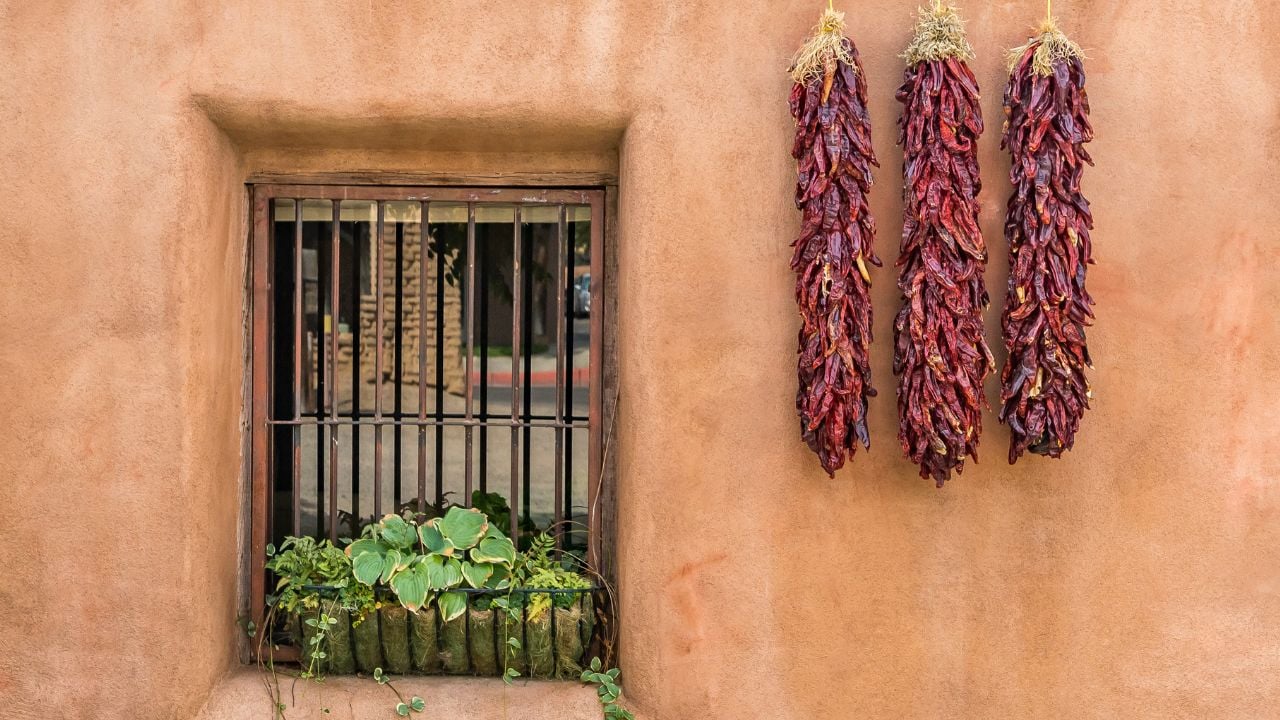
5. Hanging the Ristras to Dry
On portals and porch posts across New Mexico, neighborhoods hang ristras only once a tight harvest window lines up.
The chile crop comes off the vine anywhere from mid-September until the first frost.
According to a New Mexico State University Extension guide, the ripe red pods are meant to dry slowly in open sun once they’re strung.
Humidity ruins that.
A ristra that catches rain or sits in monsoon humidity can mold from the inside out before anyone notices.
Households with pods ready to string wait for the air to dry, whether that lands in the window’s first week or its last.
Once the air cooperates, the ristras go up by the dozen.
Front porches across the state turn red almost overnight.
The Rain Season’s Fixed End Date
Monsoon season in New Mexico didn’t always run on a fixed calendar.
Some Southwest weather offices used a different method: Three straight days with the dew point at 55 degrees or higher before declaring monsoon underway.
That was Phoenix and Tucson’s rule of thumb, not New Mexico’s.
Albuquerque’s National Weather Service office never adopted a dew-point trigger.
In Phoenix, where the method started, it produced start dates ranging from mid-June some years to late July in others.
Forecasters eventually scrapped it.
They borrowed the same fix the Atlantic hurricane season already used.
June 15 through September 30 is now New Mexico’s official monsoon window every year, rain or no rain.
The calendar doesn’t shift with the weather.
New Mexico’s National Weather Service office issues flash flood warnings based on current conditions, not the monsoon calendar.
A channel that flooded in July can do the same thing in early October, days after the fixed season closes on paper.
9 New Mexico Foods Outsiders Refuse to Try, and Locals Wouldn’t Trade
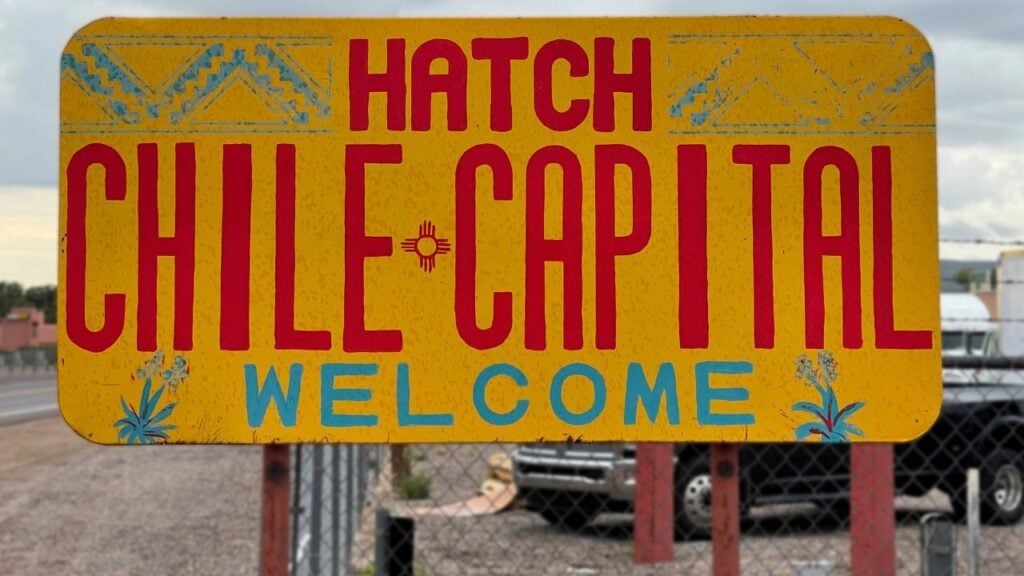
A first-time visitor in Santa Fe orders the “red” without asking what it means, then reaches for water and regrets it fast.
These are the New Mexico foods that catch outsiders off guard, the dishes locals refuse to trade for anything else.
9 New Mexico Foods Outsiders Refuse to Try, and Locals Wouldn’t Trade
