
3 Wild Animals Georgians Could Be Fined for Feeding

A dolphin swimming up to your boat on the Georgia coast feels like a lucky moment.
Tossing it a bit of bait might seem like a friendly way to say hello.
Not so fast.
Here are the wild animals you could be fined for feeding.
Note: This is general information, not legal advice. Wildlife rules and penalties are subject to change.
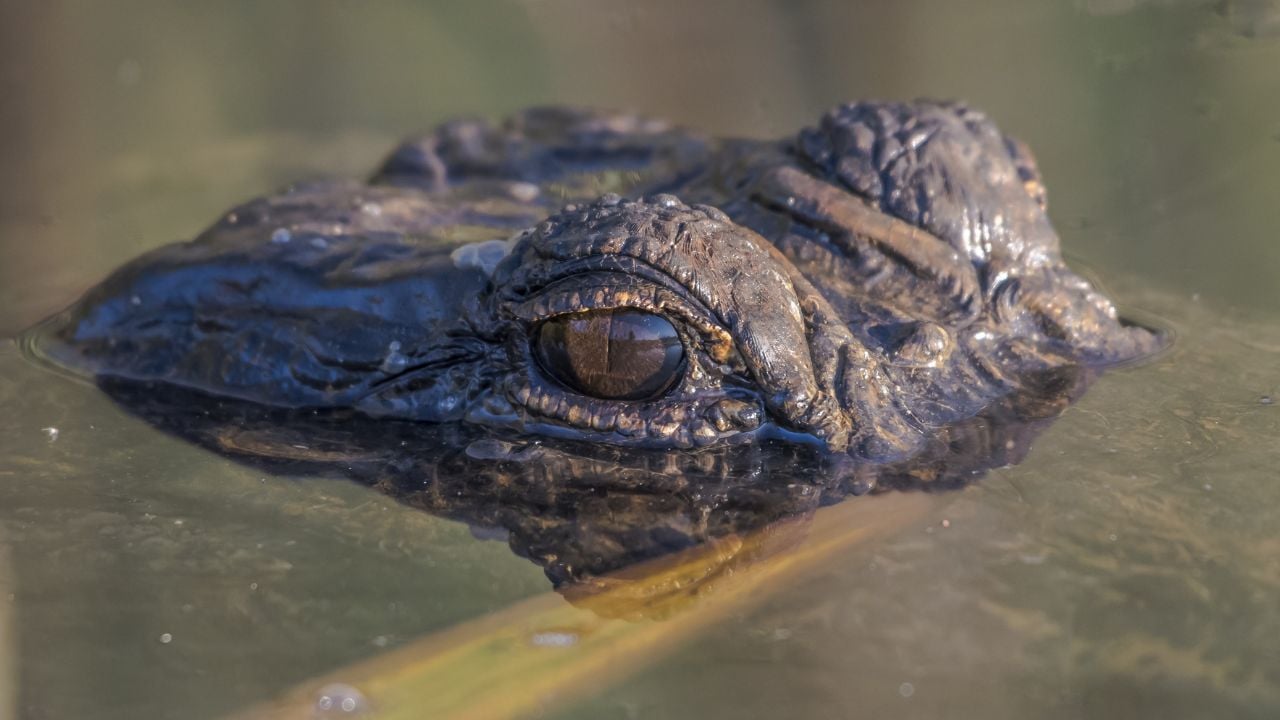
1. Alligators
Georgia added alligator feeding to its wildlife code in 1995.
Under the code, it’s unlawful for anyone to willfully feed or bait any wild alligator that isn’t in captivity.
The law lists two kinds of feeding.
One is tossing food an alligator can eat to or near a live alligator.
The other is leaving that food in or near water where alligators are known to turn up.
A violation is a misdemeanor, and a court can fine you up to $200, jail you for up to 30 days or do both.
The Georgia Department of Natural Resources (DNR) goes further than that wording.
Its GatorWise guidance says, “Feeding alligators on purpose or by accident is illegal in Georgia.”
GatorWise was developed with the fish and wildlife agencies of 11 states in the American alligator’s range, including Georgia.
DNR’s concern is what a fed alligator learns.
It will “learn to associate people with food and lose their natural fear of people.”
That matters in a state DNR estimates is home to around 225,000 alligators.
2. Dolphins
Feeding a wild dolphin is a federal offense.
The National Oceanic and Atmospheric Administration (NOAA) says it’s illegal to feed or harass wild marine mammals.
If you’re prosecuted, civil penalties can reach $36,498.
Criminal cases can bring up to 1 year in prison plus criminal fines.
The vessel involved can be forfeited too, with additional vessel penalties of up to $25,000.
Georgia’s coast shows up in NOAA’s May 2023 stock assessment for the southern Georgia estuarine dolphin stock, which runs from the Altamaha River south to the Florida line.
The assessment says illegal feeding of wild bottlenose dolphins has been documented in Georgia, particularly near Brunswick and Savannah.
It links feeding to dolphins taking from recreational fishing gear, along with entanglement in and ingestion of that gear.
NOAA’s feeding page adds that fed marine mammals can become aggressive when seeking food, and that some have bitten or injured people.
It says feeding them inappropriate food, non-food items or contaminated food jeopardizes their health.
The assessment adds that feeding counts as take under the Marine Mammal Protection Act.
It can alter the behavior and increase the risk of injury or death to wild dolphins.
The stock’s most recent abundance estimate, from winter 2008 and 2009 surveys, was 194 dolphins, and it covered less than half the range.
The current count is unknown.
What Counts as Feeding a Marine Mammal
NOAA’s viewing guidance says take under the Marine Mammal Protection Act includes feeding or attempting to feed a marine mammal in the wild.
That category reaches past dolphins to porpoises, whales, seals, sea lions and manatees.
3. Manatees
Manatees only visit Georgia’s coast, but feeding one is still illegal.
DNR says that from as early as March into November, they occur in all tidal waters along the coast.
Manatees are protected under both the Endangered Species Act and the Marine Mammal Protection Act, the U.S. Fish and Wildlife Service (FWS) says.
DNR’s boating guidance tells people never to feed manatees or give them fresh water.
It could teach the animals to approach docks and put them at greater risk of a boat strike.
NOAA’s feeding page lists manatees among the marine mammals it’s illegal to feed or harass.
If you see someone doing it, you can call its Enforcement Hotline at (800) 853-1964, and you may leave information anonymously.
Penalties for feeding or harassing any marine mammal, manatees included, reach $36,498 in civil cases and 1 year in prison in criminal ones.
A 2014 federal case shows what harassing a manatee can cost.
In Orlando, Florida, a man who lured manatees to a dock with a water hose pleaded guilty to harassing an endangered species.
He was fined $2,000 and sentenced to 175 hours of community service and 2 years’ probation.
The second man, who jumped from a dock onto an adult manatee and a calf, was fined $3,000 and received the same community service and probation.
Both were also ordered to post an apology on Facebook.
Psst! How much do you know about Georgia’s wildlife? Take our quiz and see if you can ace it.
Quiz
Georgia Wildlife IQ
Answer these questions on Georgia’s bears, alligators, sea turtles and dolphins. We bet you can’t get them all right. Prove us wrong?
In which decade did unregulated hunting, illegal killing and habitat loss nearly wipe out black bears in Georgia?
Sea Turtles
If you come across a sea turtle, NOAA's viewing guidance says not to feed, or attempt to feed, any marine turtles.
It lists no penalty.
It notes the Endangered Species Act prohibits “take” of species listed as endangered or threatened, though it doesn't spell out whether feeding a turtle counts.
On the state side, DNR says all marine turtles in Georgia are protected by state and federal law.
State Parks and Refuges
If you visit a Georgia state park or historic site, its rules say you can't feed wildlife.
Under Rule 391-5-1-.04, no person shall “feed, touch, tease, frighten or intentionally disturb wildlife nesting, breeding or other activities.”
At Okefenokee National Wildlife Refuge, the rules page says feeding wildlife is prohibited.
The page adds that all federal, state and local laws and regulations apply on refuge lands and waters.
Neither the state park rule nor the Okefenokee rules page lists a penalty for feeding.
10 Georgia Foods That Show Up at Every Family Reunion

If you've been to a Georgia family reunion, you could probably list the menu with your eyes closed.
A few of those dishes have more history behind them than you'd think.
10 Georgia Foods That Show Up at Every Family Reunion
9 Ways Georgians Can Tell Their Dog Is Happy
Your dog can't say how their day's going, but they can show you.
Georgia dog owners likely already know how to spot a few signs, but others are easier to miss.
