
6 Market Basket Mistakes Shoppers New to Maine Make Every Week

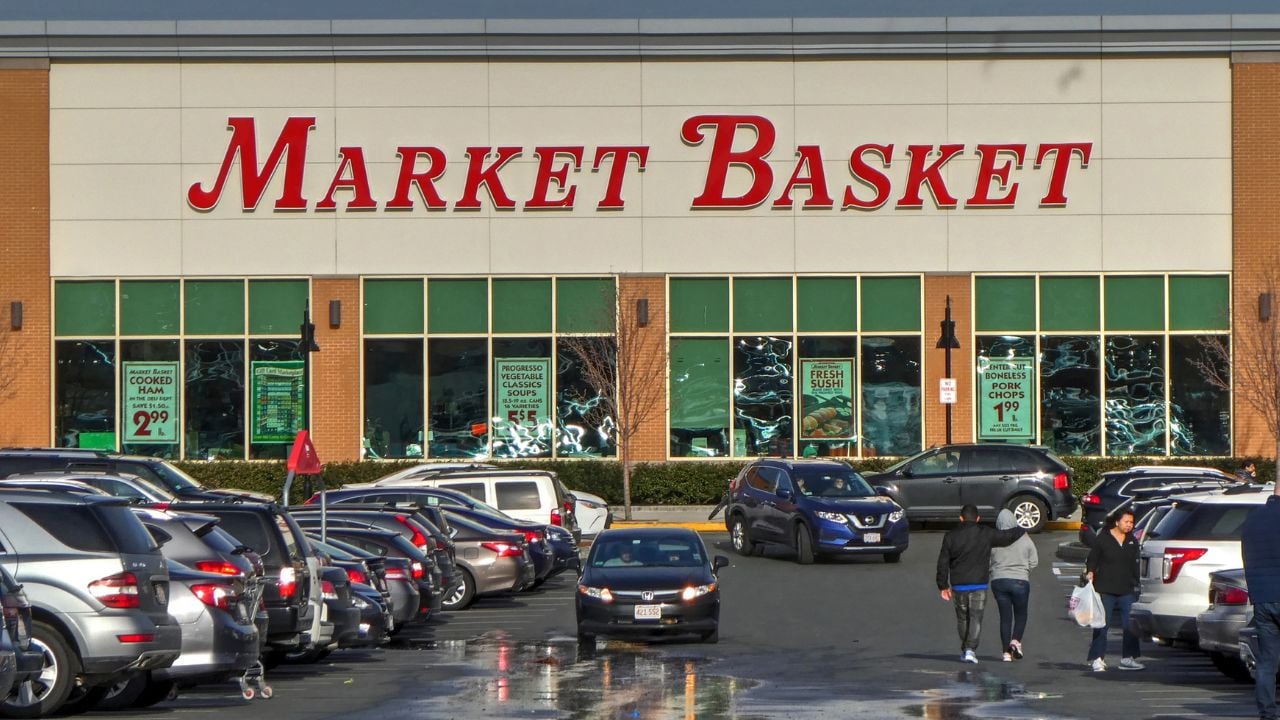
Market Basket runs three stores in Maine: Biddeford, Westbrook, and Topsham, with a fourth headed for Scarborough.
Every one of them runs registers the old-fashioned way, with a person ringing up your groceries and bagging them before the next customer steps up.
That alone can trip up new Maine residents who are used to self-checkout.
These are some of the common mistakes people new to Maine make at Market Basket.
1. Hunting for a Rewards Card or App That Isn’t There
Market Basket never asks for a phone number, an email, or a loyalty card at the register.
There’s no card to sign up for, no app to download, and no punch-card gimmick waiting at the customer service counter.
That’s not an oversight.
Market Basket has skipped loyalty programs, apps, and digital coupons altogether, leaning on everyday low prices instead of a rewards system shoppers have to opt into.
So the shopper flipping through their phone for a barcode that doesn’t exist is holding up the line for nothing.
What Market Basket’s Low Prices Add up To
Market Basket backs its no-card pricing with concrete numbers, not a slogan.
A 2025 Boston Globe price check rang up ten grocery staples for $38.28 at Market Basket, against $40.01 at Wegmans, $44.40 at Stop & Shop, and $50.00 at Whole Foods.
Retail analyst John Rand of Kantar Retail told the trade outlet Grocery Dive, in a separate interview from the Globe’s price check, that shoppers can count on Market Basket’s prices to run as good as or better than the competition nearly all the time.
2. Beelining for a Self-Checkout Screen
Market Basket has never installed a self-checkout kiosk in any of its stores, in Maine or anywhere else in New England.
Every lane runs on a cashier instead.
A shopper scanning the front end for one is looking for hardware the chain has never carried.
That’s a deliberate choice.
Arthur T. Demoulas, the chain’s former company president, used to put it plainly: He’d rather have a human being waiting on a human being.
No scanner waits at the front of the store today, only a person ready to bag the order.
3. Waving off the Staff Instead of Asking
Market Basket’s associates are trained, according to Grocery Dive’s reporting on the chain, to walk up and say “I’m going to help you” instead of waiting to be asked.
Waving off that help skips a service Market Basket built into the job, not a bonus tacked on for show.
Associates who’ve spent decades on the same floor know substitutions, sales, and where a discontinued item moved to, information no search bar replaces.
Ask, and the trip gets shorter.
4. Underestimating How Busy the Store Gets
Market Basket draws heavier crowds than its low prices alone would explain, and the chain has leaned into that tradeoff for years.
Longtime Market Basket store director Ron Lambert has been making the point since long before it went viral, a line that first ran in a 2015 Massachusetts Institute of Technology case study on the chain and reporters still repeat today: “We’re going to win in volume. We always win in volume.”
That’s not an accident.
More carts moving through the same aisles is the tradeoff for prices that beat the store down the street, so a shopper expecting a fast Tuesday errand can end up boxed in by a stocking cart or a line at the deli instead.
Weekends push that further, and a quick stop can turn into a longer one before the shopper even reaches the registers.
Psst! How much do you know about the company behind the checkout line? See how many of these you can check off.
5. Forgetting a Bag and the Nickel Fee That Follows
Market Basket bags every order for free, but Maine doesn’t let the bag itself be free.
Maine’s statewide bag law requires every retailer to charge at least a nickel for a paper or reusable bag at checkout, and Market Basket’s Maine stores follow it like everyone else.
Shoppers used to a free paper sack from other states get caught off guard by the charge nearly every time.
A tote from the car erases it completely, and the associate bagging the order still packs it just as fast.
6. Assuming Sunday Hours Match Every Other Day
Market Basket’s Biddeford store keeps the same 7 a.m. to 9 p.m. hours Monday through Saturday, and its other Maine locations run close to the same schedule.
Sunday breaks the pattern.
The doors close an hour earlier, at 8 p.m., so a shopper who strolls up at twenty past eight expecting the usual close finds the lot emptying out and the lights dimming.
A dinner run planned around the weekday schedule turns into a drive to a different store instead.
Walking Past the Maine-Made Shelf
Market Basket stocks dozens of Maine-made products across its Biddeford, Westbrook, and Topsham stores, from Ducktrap smoked salmon and Kate’s Butter to Steve’s Whoopie Pies and Wicked Joe coffee.
Many shoppers walk past it without a glance.
The local lineup also runs to Allagash and Shipyard beer, Bell Farm corn and potatoes, and Backyard Farms tomatoes, all grown or made in the state.
Skip that shelf on autopilot, and the trip misses the one part of the store that doesn’t look like the Massachusetts flagship, a minute worth spending before heading to the registers.
A Fourth Market Basket Is Coming to Maine
Market Basket is opening a fourth Maine store in Scarborough, its first new location in the state since Topsham opened in 2024, a meaningful expansion for shoppers who’ve watched the chain grow here one store at a time.
The 80,000-square-foot store is expected to stock roughly 50,000 products and create around 300 jobs when it opens.
That’s a substantial bet on a state Market Basket didn’t enter until 2013, when the Biddeford store became its first stop north of New Hampshire.
Four stores in thirteen years isn’t fast growth, but it isn’t nothing either.
Why Market Basket Runs so Cheap
Prices at Market Basket stay low through volume and long-tenured staff, not a single gimmick, according to the analysts and economists who watch the chain closely.
Mike Berner, an economist and former Market Basket employee, has called the chain’s cost control maniacal, crediting buyers who’ve worked the same accounts for decades over a revolving door of new hires.
Fewer new hires means fewer people to train. It also means fewer mix-ups at the register.
It’s a slower way to run a grocery chain, and it’s also why Market Basket keeps ringing up lower totals than the store across town.
