
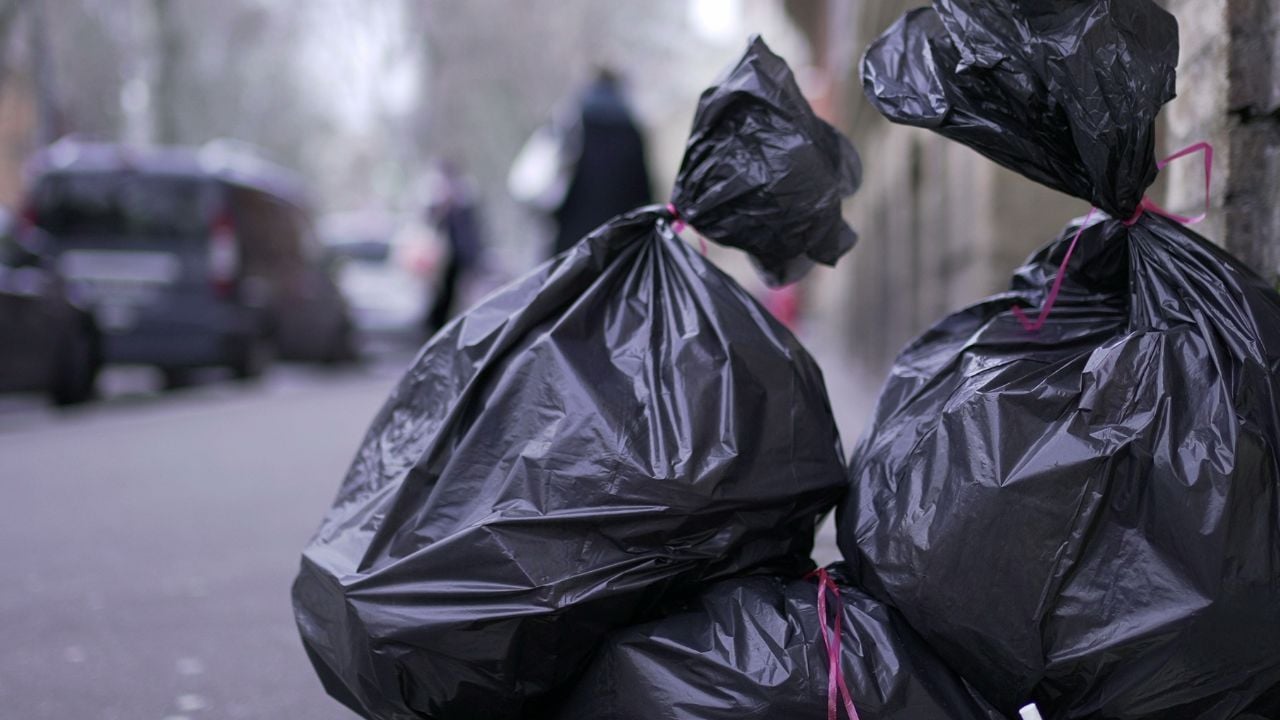
6 New York Trash-Picking Laws That Are Stranger Than Residents Realize

New York banned putting an old television or laptop in the regular trash back in 2015, and many residents still have no idea it happened.
The state also has rules about who’s allowed to touch garbage once it’s out at the curb.
These are the New York trash-picking laws that catch even longtime residents off guard.
Note: This is general information, not legal advice. Sanitation, recycling, and licensing rules vary by city and county and are subject to change.
1. New York’s Undercover Trash Squad
New York City employs sanitation police whose job is to patrol for people removing recyclables from the curb before the truck arrives.
They work off tomorrow’s collection schedule.
Officers stake out routes the night before pickup because that’s when the metal, cardboard, and cans are sitting curbside and unattended.
A conviction for hauling off a load by vehicle can run up to $2,000 on a first offense, rising to $5,000 for a repeat one under the city’s official fine schedule.
Grab something on foot instead, with no vehicle involved, and the city’s penalty schedule sets that fine at $100, with a $300 default penalty if you skip the hearing.
Steep numbers for a curb.
New York City draws that same line in its own reporting guidance: Residents are asked to report a vehicle hauling off a large load, not a person on foot picking through a bag. Many residents never realize the distinction exists.
What Draws a Ticket in New York City
New York City’s rule against removing recyclables doesn’t turn every curious dig through a bin into a police matter.
The city’s own recycling-theft reporting form is built for someone pulling up in a truck and clearing out a large load, not a person on foot pocketing a handful of cans.
That split shows up in the fines, too: A vehicle-based conviction can reach $2,000, while a foot violation carries a $100 penalty.
Sanitation officials told reporters back in 2015 that a single truckload of scrap could sell for around $600, which is why patrols focus on vehicles working full routes instead of chasing every person with a bag.
2. Buffalo’s Scrap Sales License
Buffalo requires anyone who buys, resells, or deals in scrap metal and secondhand goods to first get a license from the city, and it doesn’t matter if that scrap came straight off the curb.
Rochester runs the same rule under its own code, licensing secondhand dealers through the Chief of Police before anyone can legally buy and flip that kind of material.
New York State backs both cities up under General Business Law Article 6, the state’s Junk Dealers law.
That law defines exactly what counts as regulated junk metal, and it requires a license from the local mayor or town supervisor before anyone can legally buy it.
Grab an old radiator off a curb and sell it for cash, and you’ve stepped into a business New York already decided needs a license.
No license, no legal sale.
3. Canning and the Bottle Bill
New York’s Returnable Container Act says plainly that it’s illegal to redeem a can or bottle for its deposit if you didn’t pay that deposit yourself in New York State.
That covers more than it sounds like.
Thousands of New Yorkers make part of their living collecting bottles and cans a neighbor set out for recycling, and the law’s plain wording puts every one of those nickels on the wrong side of the rule.
Enforcement almost never follows anyone that far.
Nobody’s chasing nickels.
The rule stands on the books anyway, unchanged since the state wrote it, and it applies the same way in Buffalo, Albany, or Montauk.
4. Nassau’s Casual-Picker Fine
New York’s Town of Hempstead, in Nassau County, makes it unlawful for any person to collect recyclable materials inside town limits without a town permit. The code carves out no exception for a neighbor grabbing a few bottles instead of a hauler running a route.
Not just companies.
The civil penalty for a first violation runs $500, and it doubles to $1,000 if it happens again.
Nassau County isn’t unique in that.
Many Long Island towns license their solid waste collection down to the district, so a resident who’s in the clear picking up recyclables in one town can be breaking the code the moment they cross into the next.
5. New York City’s Recycling-Theft Reward
New York City runs an actual reward system for residents who catch someone hauling recyclables away by truck.
Report it, and the city cuts you in.
Under Administrative Code §16-461, a resident can document a vehicle removing recyclable material that wasn’t set out for them and file a complaint with the Sanitation Police.
The city pays 50% of whatever fine it eventually collects to the person who reported it.
Those vehicle fines run $500 to $2,000.
Money for a tip-off.
A resident’s cut can land anywhere from $250 to $1,000, once the case is decided and the fine is paid, which can take months.
6. Electronics’ Licensed Handler
New York State has banned putting covered electronics in the regular trash or curbside pickup statewide since 2015.
That’s not a suggestion.
Under the law, only registered collectors, registered collection sites, consolidation facilities, or licensed recycling facilities may legally take in that equipment for reuse or recycling.
A neighbor who grabs an old television off the curb to strip for parts isn’t the entity the state built that system around.
New York’s electronics manufacturers, not the resident setting out a dead laptop, foot the bill for that system.
The legal path stays close by anyway: A manufacturer mail-back program, a registered municipal drop-off event, or a certified electronics recycler beats the regular trash bin every time.
Psst! How much do you know about New York’s trash and recycling history? Take our quiz and see if you can ace it.
Quiz
New York Trash & Recycling IQ
Answer these questions on New York’s trash and recycling history. We bet you can’t get them all right. Prove us wrong?
Fresh Kills Landfill on Staten Island took in its final barge of household trash in what year?
New York's Anti-Mob Trash License
Any commercial hauler picking up trash or recycling in New York City needs a license from the Business Integrity Commission first.
That agency didn't start as a paperwork exercise.
New York City created its predecessor, the Trade Waste Commission, in 1996, staffing it with prosecutors who had already spent years pursuing organized-crime corruption in the private carting industry.
No exaggeration.
A hauler who skips the license isn't just risking a fine.
They're operating outside a licensing system New York built to keep organized crime out of the garbage business.
Rewards for Reporting Illegal Dumping
New York's trash rules don't only punish someone taking what isn't theirs. The state and its cities also pay residents to report the opposite offense: Illegal dumping.
Summonses for illegal dumping in New York City start at $4,000, and the city pays 50% of whatever it collects to the person who reported the case, whether they testify or file an anonymous tip.
Suffolk County runs a version of its own.
An individual caught dumping there typically faces up to $5,000, rising to $15,000 for hazardous waste.
The county's fines can reach as high as $25,000, though that top figure is reserved for a corporate hazmat violation, not an ordinary resident.
Suffolk can also impound the offender's vehicle.
Not a small deterrent.
An informant collects a third of whatever the county brings in.
That neighbor offering to haul your old couch away for twenty bucks might have more riding on it than either of you realizes.
New York didn't set out to build a legal maze around a bag of bottles.
It just kept legislating, one law at a time, and every one of these rules is still sitting on the books today, waiting for the next person who reaches into a bin without checking.
8 Unwritten New York City Subway Rules Tourists Break Every Day

Six riders step off a downtown train at Grand Central, and six more slide into the same doorway before the chime even finishes.
New York City's subway runs on unwritten habits like that one, and tourists break them constantly without meaning to.
8 Unwritten New York City Subway Rules Tourists Break Every Day
9 Things in New York's Woods That Are More Dangerous Than Residents Think
New York's health department has tracked eleven cases of a mosquito-borne brain infection since 1971, and seven of the people who got it died.
New York's woods hide more everyday risk than many hikers ever plan for.
9 Things in New York's Woods That Are More Dangerous Than Residents Think
