
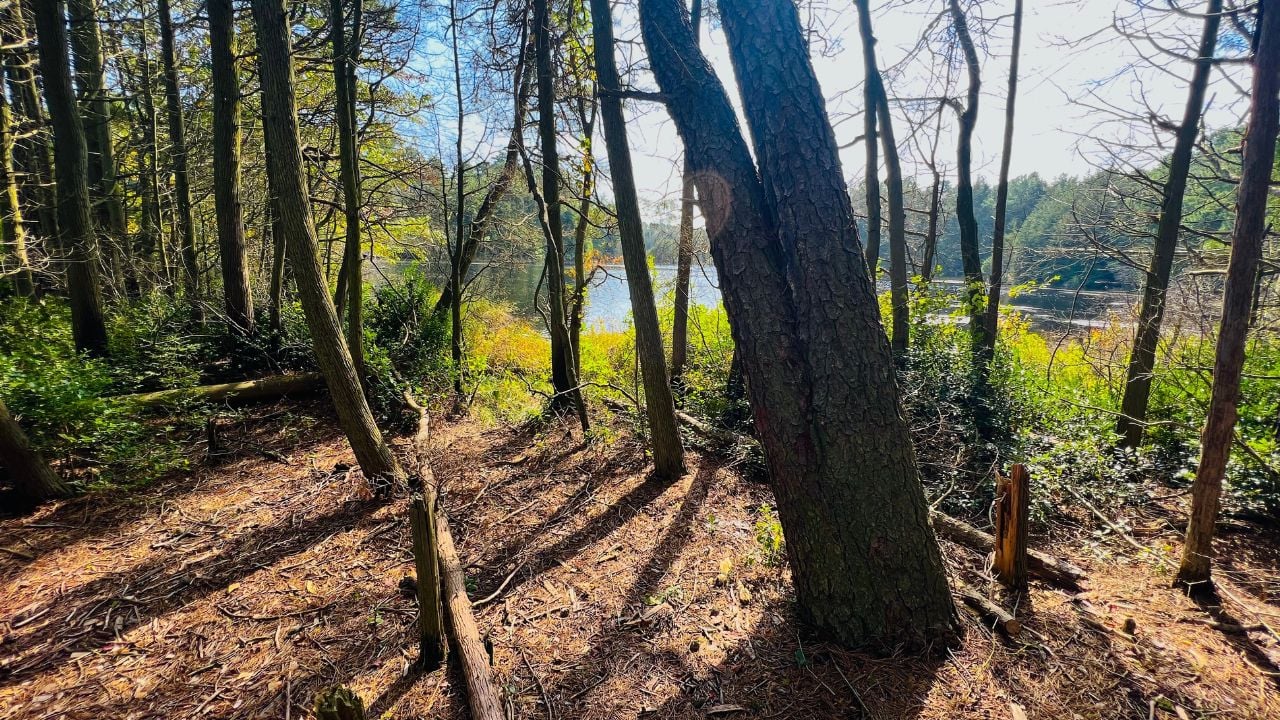
6 Pinelands Rules That Make New Jersey Land Worth Less Than It Looks

The New Jersey Pinelands Commission controls what a landowner can build across 19% of the state’s land area.
A parcel can look like ordinary buildable land on a county tax map.
But once a buyer pulls up the Commission’s zoning layer, these are the Pinelands rules that make New Jersey land worth less than it looks.
Note: This is general information, not legal advice. Pinelands zoning and density rules are subject to change, so confirm the current requirements with the New Jersey Pinelands Commission.
1. Preservation Area’s Building Ban
The Commission’s 938,000-acre Pinelands Area is the regulated boundary behind this whole list.
That 19% figure only counts the state-regulated zone, not the far larger federally designated Pinelands National Reserve surrounding it, the boundary covered later in this list.
The Pinelands Commission draws a hard line around 295,000 acres it calls the Preservation Area District, and inside it, ordinary new home construction isn’t allowed at all.
No exceptions for typical buyers.
The district permits only a small run of one-acre infill lots in a few mapped pockets, plus a narrow family carve-out covered later in this list.
Buy a bare lot inside this district expecting to retire on it someday, and New Jersey’s rules will likely leave that plan on paper.
2. Forest Area’s Density Cap
New Jersey’s Pinelands Forest Area covers 257,500 acres, and the Commission caps clustered housing there at an average of one home for every 28 acres.
Twenty-eight acres for one house.
A five-acre or ten-acre wooded parcel here often looks like a buildable homesite on its own.
Under that average, it usually can’t stand alone as a single legal lot.
An owner typically needs to fold that parcel into a much larger tract, or partner with neighboring land, before the density math produces even one legal house.
3. 40-Acre Farmhouse Rule
The Pinelands Agricultural Production Area sets aside 68,500 acres for row crops and working farms, and a non-farm house there needs a 40-acre minimum lot.
A farm-related house qualifies at 10 acres instead.
That gap matters because many parcels for sale in this zone run smaller than 40 acres.
An ordinary house is off the table there unless the buyer can also show a farm use.
Sellers rarely mention that.
4. Rural Development’s 5-Acre Cap
New Jersey built the Rural Development Area, 108,000 acres in all, as the Pinelands’ transitional zone meant to take on new growth.
Even here, the Commission caps clustered housing at an average of one home per five acres.
Five acres adds up fast.
Many New Jersey suburbs allow several houses per acre.
A Rural Development Area parcel priced like ordinary suburban land carries a density ceiling many buyers never think to check.
5. Development Credit Requirement
New Jersey’s Pinelands Development Credit (PDC) program is the rule that catches many owners off guard because it doesn’t hand over building rights at all.
It hands over a fraction of a credit instead.
Under the state’s regulation, many Preservation Area wetlands earn just two-tenths of one PDC credit for every 39 acres.
Ordinary upland in that same district earns a full credit for those same 39 acres.
An owner has to sell that credit to someone building at higher density in a growth zone.
Selling it means recording a permanent restriction on the deed that blocks future development on the land for good.
Nobody ever builds on that land.
It becomes a certificate somebody else uses somewhere else.
That’s the whole trade.
The Math Behind a Pinelands Credit
A Pinelands Development Credit doesn’t come from one acre, and it isn’t a one-to-one swap.
At two-tenths of a credit per 39 acres, an owner with only wetlands needs roughly 195 acres just to reach a single full, sellable credit.
An owner with ordinary upland in that same district needs 39 acres for that same one credit.
Two parcels the same size can walk away with wildly different numbers of credits, and credits, not acres, are what cash out on a sale.
6. Non-Transferable Family Exception
The one family exception inside the Preservation Area and the Special Agricultural Production Area comes locked to a single family, not to the land.
It’s easy to assume this applies more broadly than it does.
It doesn’t.
The Commission’s cultural housing exception lets an eligible family build one house on a 3.2-acre lot.
That only applies when the family owned the land before 1979, years before the Pinelands Protection Act even existed.
Buy the same parcel today from an unrelated seller, and that exception doesn’t transfer with the deed.
Many people shopping for Pinelands land in 2026 weren’t anywhere near it in 1979.
The one rule built to help a landowner build usually helps somebody else’s family instead.
Psst! How much do you know about the Pinelands beyond its zoning rules? Take our quiz and see how many you can get right.
Quiz
Pinelands History IQ
Answer these questions on the Pinelands National Reserve’s history, water, and wildlife. We bet you can’t get them all right. Prove us wrong?
Which 1978 federal law created the Pinelands National Reserve, the first National Reserve anywhere in the country?
How Much Ground This Covers
New Jersey's Pinelands rules don't sit in some remote corner of the map many residents never see.
The federally designated Pinelands National Reserve, the larger area surrounding the state's regulated Pinelands Area, reaches into seven counties and parts of 56 municipalities.
That span runs from Ocean and Burlington down through Atlantic, Cape May, and Cumberland.
A buyer can cross a single township line and land in a completely different set of rules.
That line matters.
Even land that already sits inside a protected category isn't necessarily headed for a park bench and a plaque.
About 48% of the reserve is publicly owned today.
That means the other half remains in private hands, taxed every year, and bound by the same density and credit rules covered above.
An appraisal that skips the Commission's map isn't a complete appraisal.
A chunk of that public half isn't parkland at all.
Joint Base McGuire-Dix-Lakehurst, a working military installation spanning Burlington and Ocean counties, sits inside that public share alongside the state forests and wildlife refuges.
Where ShopRite Regulars Overspend
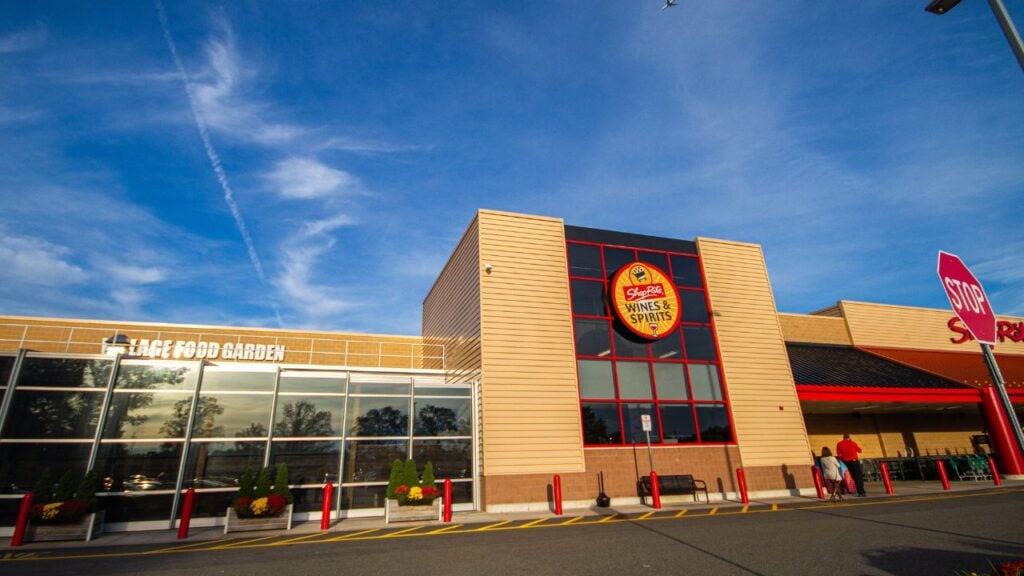
ShopRite owns the largest share of grocery stores anywhere in New Jersey, with a 2024 Washington Post analysis putting some counties as high as 17%.
That kind of reach runs on a low-price promise, and it still comes with a few habits that cost regulars money without them noticing.
7 ShopRite Mistakes That Add Up on Every New Jersey Grocery Trip
8 Ways Out-of-Staters Break Buc-ee's Etiquette Before They Reach the Brisket

An announcement about fresh, hot brisket crackles over the loudspeaker inside a Buc-ee's, and half the store turns toward the barbecue counter at once.
Regulars already know the drill, right down to never making a scene the cashiers will remember, while out-of-staters learn the unwritten rules the hard way.
8 Ways Out-of-Staters Break Buc-ee's Etiquette Before They Reach the Brisket
