
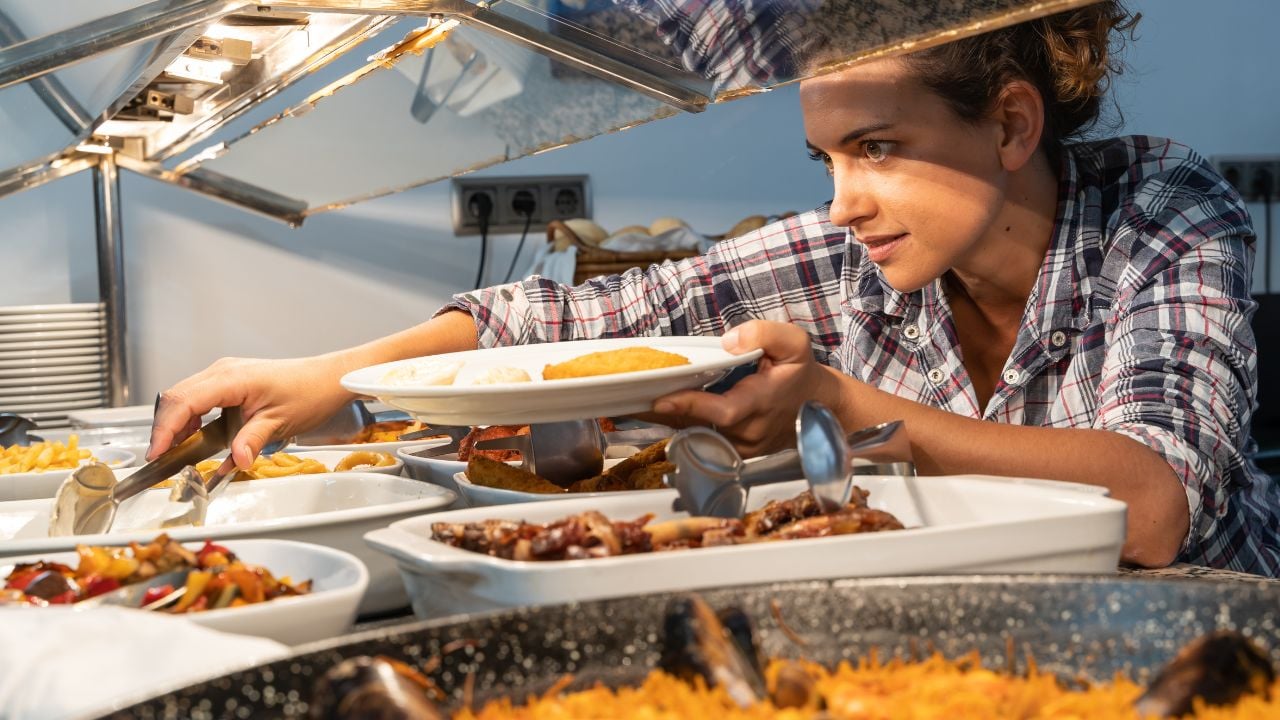
6 Restaurant Chains South Carolina Grew Up With That Are Almost Gone

Sticky Fingers Smokehouse served its last plate of ribs in North Charleston on September 5, 2025, The Post and Courier reported.
That closed a 33-year run.
South Carolina has been losing places like it for two decades. The ones still standing are down to a handful of locations each.
These are the restaurant chains South Carolina grew up with that are almost gone.
Ryan’s Family Steak House
Ryan’s Family Steak House traces back to Alvin McCall, an Upstate builder who opened his first Ryan’s restaurant on Laurens Road in Greenville in 1978.
By then, McCall had already built and sold a different Upstate steakhouse chain.
He started over.
Ryan’s grew into a national buffet-and-steakhouse chain headquartered on Lancaster Avenue in Greer, the small Upstate town where the company got its start.
A string of bankruptcies eventually caught up with Ryan’s parent company, and it closed six restaurants in South Carolina in one round alone, including the Greer and Spartanburg locations.
Ryan’s home turf was gone too.
Ryan’s remaining locations nationwide had closed by the time its parent company, Fresh Acquisitions, filed for bankruptcy in April 2021.
That came more than 40 years after that first Laurens Road location opened.
Sticky Fingers Smokehouse
Sticky Fingers Smokehouse opened its first restaurant on Johnnie Dodds Boulevard in Mount Pleasant in 1992, built by three childhood friends who grew up together in Chattanooga.
The trio wanted Memphis-style ribs on the South Carolina coast, and Charleston County didn’t have anything like it yet.
So they built it themselves.
Sticky Fingers grew to 15 restaurants across five states, and its bottled sauce landed on shelves in roughly 4,000 grocery stores by 2006.
Ownership changed hands more than once after the founders sold the company, and the restaurants started closing one by one.
The last one, in North Charleston, shut its doors on September 5, 2025.
Quincy’s Family Steakhouse
Quincy’s Family Steakhouse started as Western Family Steak House, the chain Alvin McCall opened on Wade Hampton Boulevard in Greenville in 1970.
McCall renamed it Quincy’s in 1976, then sold it the next year to Spartan Food Systems, an Upstate company that already ran Hardee’s restaurants under franchise.
That’s the whole split.
Quincy’s grew into a regional steakhouse chain under new ownership, known for its hot yeast rolls and honey butter.
Ownership changes through the 1990s and a Chapter 7 bankruptcy filing shrank the chain fast, and many locations either closed outright or converted into Western Sizzlin buffets.
Tasting Table found only two Quincy’s restaurants still standing anywhere in October 2025, one in Monroe, North Carolina, and one in Florence, South Carolina.
That’s down from hundreds.
The Noncompete Clause McCall Skipped
Two of the restaurant chains on this list trace back to one Upstate builder, Alvin McCall, and the fine print on his Quincy’s sale is why that was even legal.
McCall negotiated a waiver of the usual noncompete clause and wrote his right to open a rival chain into the sale terms.
He opened Ryan’s the following year, a short drive from where Quincy’s already operated in Greenville.
Fatz Cafe
Fatz Cafe opened its first restaurant in a converted peach shed in Spartanburg in 1988, built by peach farmer Jimmy Rogers.
Bill Burton bought half the business in 1991 and bought Rogers out entirely in 1999.
He pushed the chain well beyond the Upstate, into Georgia, North Carolina, Tennessee, and Virginia.
Fatz Cafe peaked at nearly 50 restaurants in 2011, best known for a Calabash chicken plate built on the fried-seafood style from the Carolina coast.
Sales slid for years after that, and the pandemic wiped out another big chunk of locations in 2020.
Every remaining Fatz Cafe, all 18 locations, closed for good on the same day in August 2023, Restaurant Business reported.
It came without warning.
Po’ Folks
Po’ Folks opened its first restaurant in Anderson in 1975, named after a Bill Anderson country song the founders used without ever asking permission.
The singer nearly sued, then sold the rights and became the chain’s spokesman instead.
He got the better deal.
Po’ Folks grew fast under new ownership, reaching 102 restaurants in 17 states by 1984, mason jars for drinking glasses and all.
A 1988 bankruptcy sold the chain off in pieces, and the Anderson restaurant that started it all closed along with many of the others.
The survivors are a small group of independently owned restaurants in Florida, and even that group has kept shrinking since.
South Carolina now has none.
Psst! How much do you know about South Carolina’s food history? Take our quiz and see how many you can get right.
Quiz
South Carolina Food IQ
Answer these questions on South Carolina food history. We bet you can’t get them all right. Prove us wrong?
According to Charleston tradition, a mayor’s butler gets credit for inventing she-crab soup. What was his name?
K&W Cafeteria
K&W Cafeteria never started in South Carolina, but the cafeteria chain fed the state for decades anyway from its base in Winston-Salem, North Carolina.
Then it spread south.
K&W grew to 35 locations across the Carolinas, Virginia, and West Virginia at its peak, including a longtime stop in Greenville.
A 2020 bankruptcy filing closed that Greenville restaurant along with several others, and the chain never fully recovered.
K&W's sales fell nearly 70% between 2019 and 2024, trade coverage of the decline found, even as the company kept trimming unprofitable stops.
Only nine K&W restaurants were left when the whole chain went dark on December 1, 2025, eight in North Carolina and one in Virginia.
Not a single one of them was in South Carolina by then.
9 South Carolina Roadside Stands Locals Stop at and Tourists Drive Past
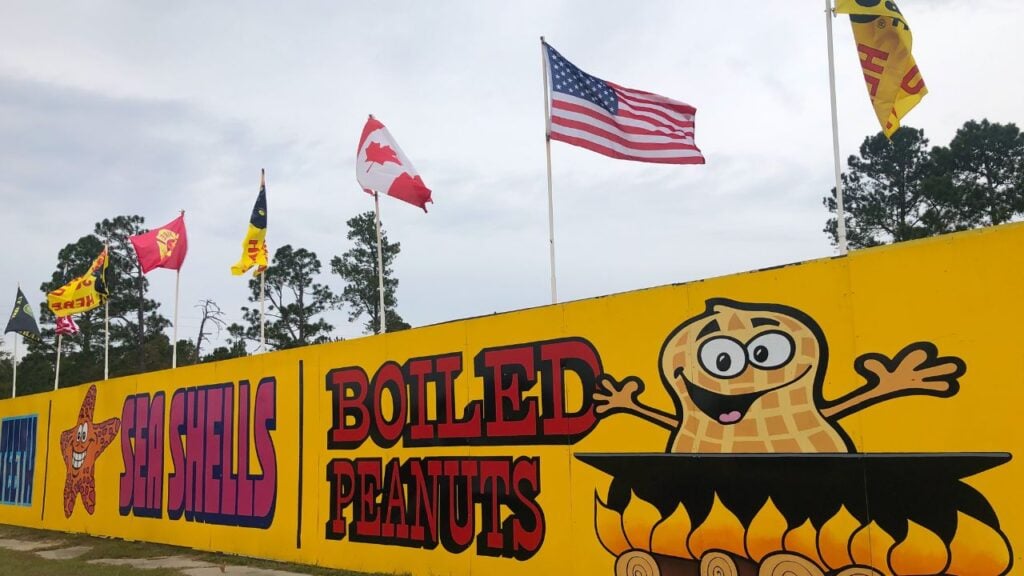
A minivan full of tourists rolls past a folding table of boiled peanuts and ripe tomatoes on Business Highway 17 near Murrells Inlet without slowing down.
Locals already know which shoulder-side stands are worth the U-turn, and which stands only look that way from the highway.
9 South Carolina Roadside Stands Locals Stop at and Tourists Drive Past
7 Charges on Every South Carolina Power Bill That Have Nothing to Do With Electricity
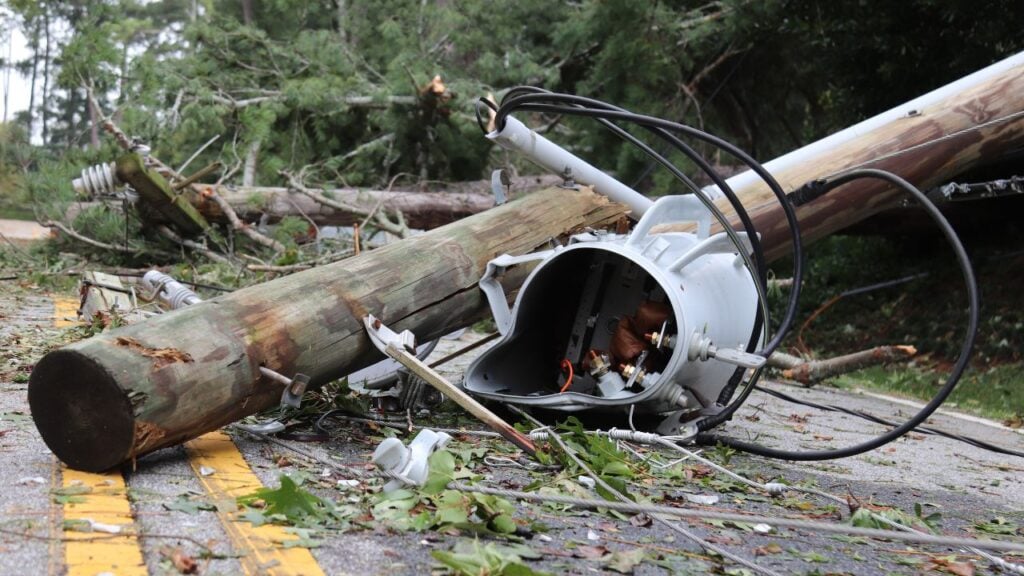
Duke Energy Carolinas customers started paying $4.58 more every month in January 2026, a charge tied to Hurricane Helene bonds that has nothing to do with how much power anyone used.
Several more charges like it show up on a South Carolina power bill every month, buried well below the kilowatt-hour total.
7 Charges on Every South Carolina Power Bill That Have Nothing to Do With Electricity
