
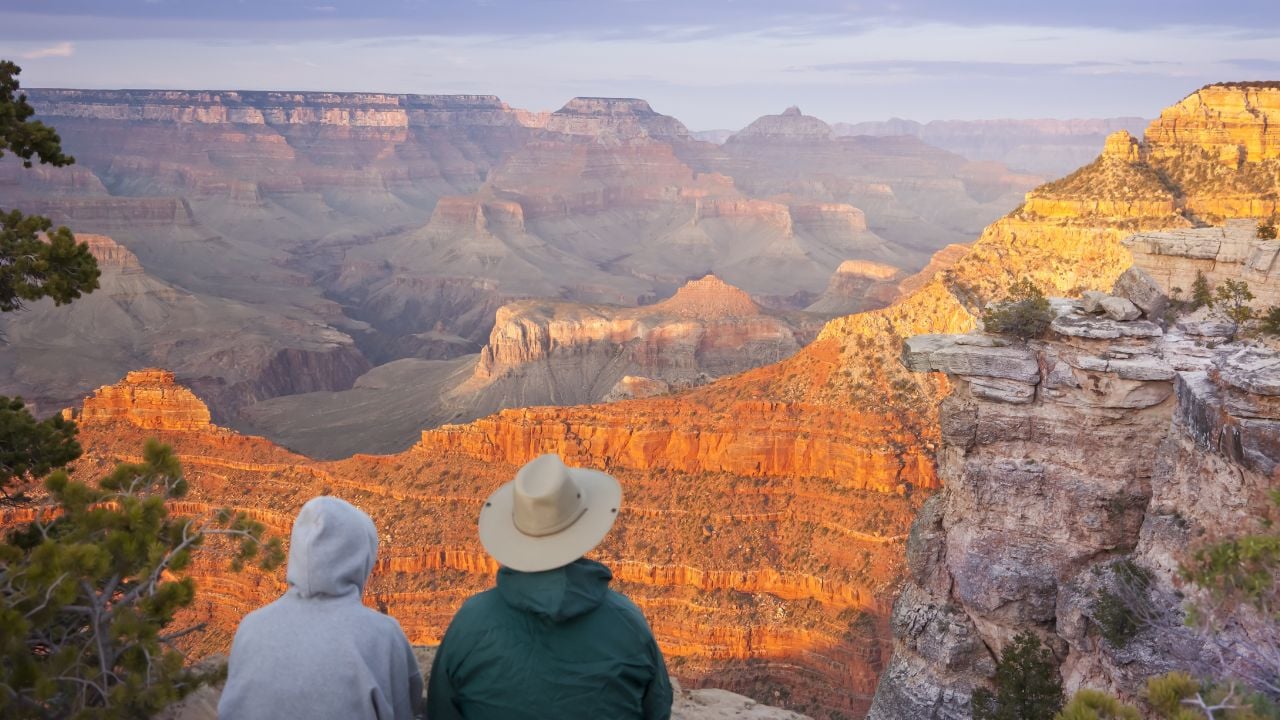
6 Things Arizonans Love About Never Changing Their Clocks

Most of the country turned its clocks back an hour this weekend.
In Arizona, you didn’t have to touch yours.
Here’s what keeping the same time year-round gets you, and who would prefer a different clock.
Note: This is general information, not medical advice. Guidelines are subject to change, so talk to a doctor about your situation.
1. Steady Fall Sunsets
Because Arizona’s clocks didn’t change on Nov. 1, Phoenix’s sunset moved only from 5:37 p.m. on Oct. 31 to 5:36 p.m.
Over the same night, sunset in Denver, where clocks did fall back, went from 5:59 p.m. to 4:58 p.m.
Sunrise followed the same pattern: Denver’s sunrise went from 7:28 a.m. to 6:29 a.m., while Phoenix’s sunrise went from 6:46 a.m. to 6:47 a.m.
Your sunset doesn’t shift an hour on the clock overnight, and neither does your sunrise.
2. Early Sunrises
Arizona’s clocks never change, so the sun rose in Phoenix at 6:42 a.m. on March 12, based on U.S. Naval Observatory data.
On daylight time, that same sunrise would have read 7:42 a.m.
You’ll see the sun up before 7 a.m. in the middle of March.
Phoenix’s sunrise on June 21 came at 5:19 a.m.
On a day with an Extreme Heat Warning, Phoenix restricts the Echo Canyon and Cholla trails on Camelback Mountain from 8 a.m. to 5 p.m.
The same warnings restrict the Piestewa Peak Summit Trail and several South Mountain trails.
That gives you more than two and a half hours of daylight before the 8 a.m. restriction begins.
3. Earlier Summer Sunsets
On Arizona’s clocks, Phoenix’s sunset on June 21 came at 7:41 p.m., not the 8:41 p.m. that daylight time would show.
Many locals prefer a summer sunset that comes earlier on the clock.
You don’t wait until 8 p.m. for the sun to set on June 21.
Phoenix public radio station KJZZ reports that residents in the 1960s didn’t want to pay for an extra hour of air conditioning when the day is hottest.
4. Matching Pacific Time
While daylight saving time runs, Arizona’s clocks match the Pacific time zone’s.
Arizona’s Mountain Standard Time and Pacific daylight time both run seven hours behind Coordinated Universal Time.
In 2026, that stretch ran from March 8 at 2 a.m. to Nov. 1 at 2 a.m., which is 238 days.
If you have coworkers in the Pacific time zone, your noon was theirs too until the clocks fell back.
Now Phoenix is an hour ahead.
5. Earlier Stargazing
On Arizona’s clocks, Phoenix’s sky was fully dark by 9:25 p.m. on June 21.
On daylight time, that would have been 10:25 p.m.
Flagstaff was named the first International Dark Sky City in 2001.
You can start stargazing in Phoenix an hour earlier on the clock than daylight time would allow.
6. No Spring Clock Change
Outside the Navajo Nation, Arizona’s clocks don’t change in March.
The American Academy of Sleep Medicine (AASM) associates that change with a higher risk of heart attacks and stroke.
The change also brings more hospital admissions for atrial fibrillation and more emergency room visits and missed medical appointments.
Traffic accidents increase in the first few days after the change.
You should read these as general statements about the spring change, not findings about Arizona.
The group’s 2024 position statement goes further, calling for the United States to end seasonal time changes and keep standard time year-round.
That’s the schedule your clocks already keep.
How Arizona Opted Out
Arizona’s clocks follow a state law that sets standard mountain time and rejects daylight saving time.
Arizona State University (ASU) reports that Arizona followed daylight saving time from April to October 1967.
Businesses and schools paid more for energy, and parents resented an extra hour of hot afternoon sunlight.
Public outcry ended that stretch in 1967, and the state has been on Mountain Standard Time since 1968, according to KJZZ.
If you’ve lived in Arizona since 1968, the state hasn’t changed your clocks.
Psst! How much do you know about Arizona’s canyons and cacti? Take our quiz and see if you can ace it.
Quiz
Canyon and Cactus Quiz
Answer these questions on canyons, cacti and statehood. We bet you can’t get them all right. Prove us wrong?
At its narrowest point, how wide is the Grand Canyon?
Why Some Prefer Daylight Time
Arizona's clocks come with trade-offs, and ASU reports that outdoor entertainment and recreation businesses like daylight saving time because it extends the time to play golf.
Some supporters in finance and interstate or international business also preferred tighter syncing with markets.
If you golf after work, daylight time would give you an extra hour of evening light.
Out of Step With Neighbors
Arizona's clocks sit an hour behind Utah's and New Mexico's while daylight saving time runs.
NIST's list of places that skip daylight saving time doesn't include Utah or New Mexico.
While daylight saving time runs, noon in Phoenix is 1 p.m. in Salt Lake City.
If you book a call with Salt Lake City during that stretch, double-check the meeting time.
Where Clocks Do Change
The Navajo Nation's office says its clocks change so the Nation stays on the same time as many Diné relatives, communities and services in Utah and New Mexico.
That puts the Navajo Nation an hour ahead of the rest of the state while daylight saving time runs.
Navajo National Monument follows Mountain Daylight hours when applicable.
The Hopi Tribe stays on standard time like the rest of the state.
Senate Vote on Permanent Daylight Time
Arizona's standard time is the opposite of the Sunshine Protection Act, which the Senate passed by unanimous consent on March 15, 2022.
The bill would make daylight saving time permanent nationwide.
The House received it the next day, but it didn't become law.
5 Fry's Perks Arizonans Over 60 Leave on the Table

About one in five Arizonans is 65 or older.
Some of the savings are easy to miss.
5 Fry's Perks Arizonans Over 60 Leave on the Table
7 Records an Arizona HOA Has to Share With Any Homeowner Who Asks
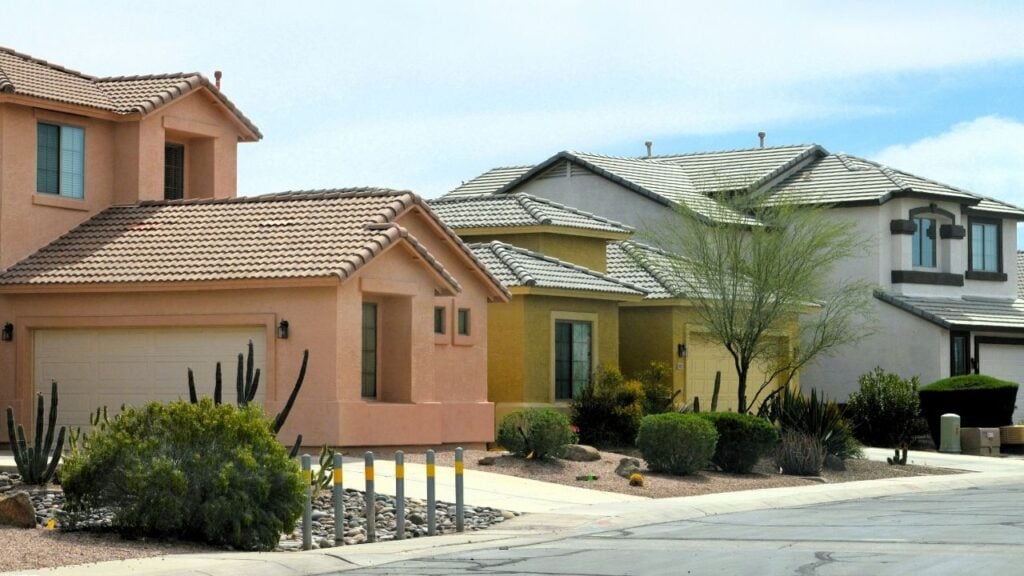
About 2.3 million Arizonans live in community associations, according to 2022 data from the Foundation for Community Association Research.
The list of what you can ask your association for may be longer than you think.
7 Records an Arizona HOA Has to Share With Any Homeowner Who Asks
