
6 Things Kansans Scramble to Finish Before the First Hard Freeze

North-central Kansas, around Salina and Russell, usually gets its first hard freeze somewhere between October 19 and the first week of November, according to the National Weather Service.
Wichita and eastern Kansas wait longer.
These are the things Kansans scramble to finish before the first hard freeze.
1. Draining and Storing Your Garden Hoses
You’ll want to disconnect your garden hose before Kansas’s first hard freeze moves in, or you’ll regret it by the next thaw.
Ice backs up the line inside a hose that’s still connected to the spigot.
That trapped water can freeze, expand, and crack the pipe running back into your house, according to the American Red Cross’s cold-weather guidance.
That saves money later.
Grab a foam spigot cover next time you’re at Westlake Ace Hardware, and pick up an extra hose reel while you’re there.
Coiling and draining your hose beats leaving it looped over the fence rail all winter.
2. Digging up Your Dahlias and Gladiolus Bulbs
If you grow dahlias or gladiolus in Kansas, you’re racing a deadline once the first hard freeze gets close.
Dahlias and gladiolus aren’t winter hardy in Kansas.
Kansas State University’s Research and Extension office says you need to dig up the corms and tubers and store them indoors before winter arrives.
Once the soil itself starts to freeze, you’ll lose the whole clump for good if the tubers or corms are still in the ground.
Grab the fork.
Loosen the soil with a garden fork, then lift the clump gently so the tubers or corms don’t snap.
Let it cure a few days in your garage, then store it in dry peat moss or vermiculite for winter.
What Counts as Kansas’s First Hard Freeze
Kansas’s first hard freeze isn’t the same event as its first frost.
The National Weather Service sets a hard freeze at 28 degrees or colder, cold enough to finish off most remaining plants.
A lighter freeze, closer to 32 degrees, only coats the grass in frost, and many cold-hardy plants shake it off.
3. Getting the Last Tomatoes off Your Vines
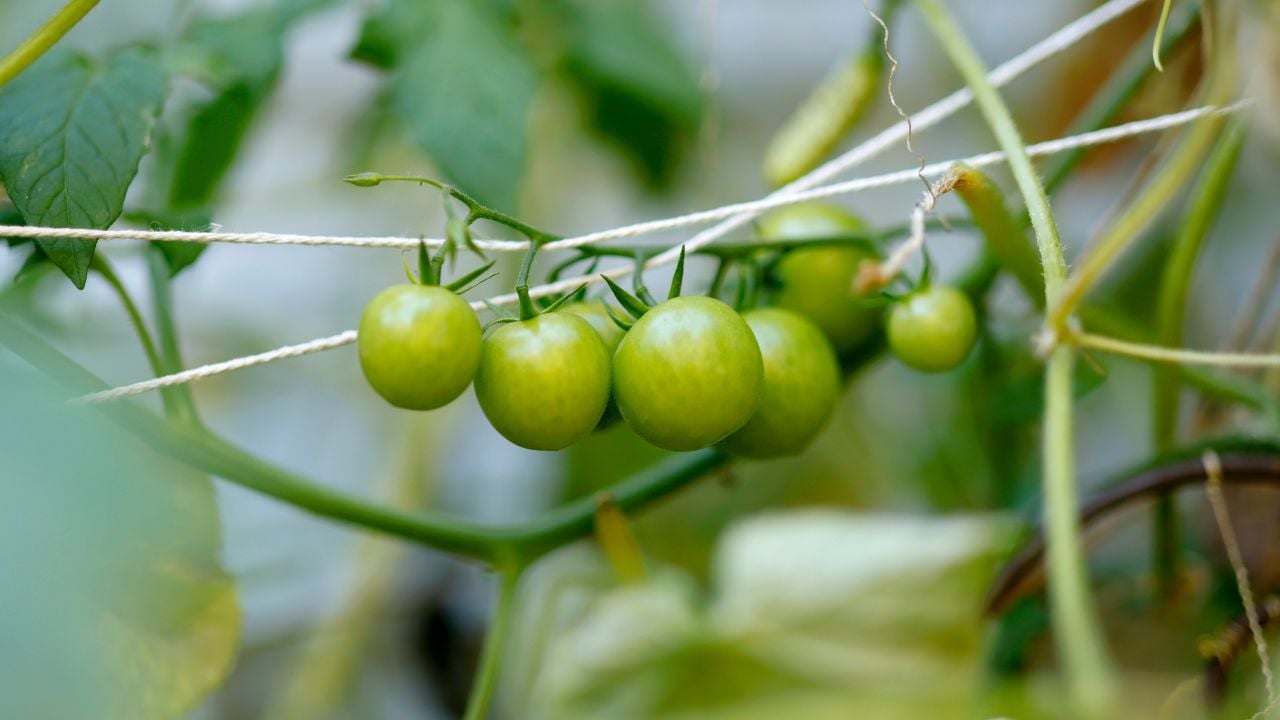
You’re racing the calendar every fall if you grow tomatoes in Kansas, trying to squeeze one more batch off the vine before a hard freeze ends the season.
A frost alone doesn’t have to be the final word.
Kansas State University’s Johnson County Extension office says a tomato you pick at the mature green stage can still ripen indoors, away from the cold.
Look for a faint off-white star on the fruit’s underside.
They’re ripe by the window in a few weeks.
Wrap them in newspaper and set them in a cool, dark spot around 50 degrees.
They’ll keep ripening for a month or two once they’re off the vine.
A hard freeze, unlike a light frost, ends the tomato season for good.
Many Kansas gardeners strip their vines clean the moment a genuine hard freeze shows up in the forecast.
4. Blowing out Your Sprinkler System
Your in-ground sprinkler system has one deadline before winter: Get every drop of water out of the pipes before Kansas’s first hard freeze.
The WaterSense program, run by the U.S. Environmental Protection Agency (EPA), recommends winterizing your irrigation system every fall.
That means shutting off the water supply and draining the lines before freezing weather arrives.
Left alone, that standing water freezes solid and can crack a pipe or the backflow preventer.
That’s the device that keeps yard water from siphoning back into your drinking supply.
One fitting can crack.
Kansas irrigation companies typically use an air compressor to blow the last water out of each zone.
The job takes about fifteen minutes with the right equipment, but many homeowners are better off calling a professional than attempting it themselves.
Psst! How much do you know about freeze science and Kansas winter weather? Take our quiz and see how many you can get right.
Quiz
Kansas Freeze IQ
Answer these questions on freeze science and Kansas winter weather. We bet you can’t get them all right. Prove us wrong?
What’s the coldest temperature ever officially recorded in Kansas?
5. Insulating Your Outdoor Spigots and Pipes
If your Kansas home is older, you probably have at least one exposed, uninsulated pipe somewhere on the property.
The American Red Cross recommends wrapping your exposed pipes in foam sleeves, heat tape, or even a few layers of newspaper before the cold arrives.
A hard freeze is exactly the kind of cold that insulation like this is meant to stop.
A lighter frost rarely lasts long enough to freeze standing water solid the way a true hard freeze does.
Frost-free hose bibs sidestep the whole problem.
Many older Kansas homes still have the standard kind, though, so insulation is what protects your pipes instead.
Cheap insurance, basically.
A trip to the hardware store for pipe sleeves and insulation tape beats paying for one busted fitting.
6. Scheduling Your Furnace Checkup
Your Kansas furnace can sit idle for six months, but the deadline that matters is beating the rush that shows up once the first hard freeze arrives.
Furnace and plumbing companies across the Kansas City area saw call volumes spike during one recent arctic blast, according to FOX4 Kansas City.
One company's daily call volume jumped from a normal 200 to 250 up to more than 600 in less than a day.
That kind of surge means a furnace technician with an opening in October can be booked solid for a week or two once the cold snap arrives.
The Air-Conditioning, Heating, and Refrigeration Institute (AHRI) recommends having a furnace cleaned and checked by a certified technician before the heating season begins.
A technician checks the combustion chamber for hairline cracks invisible to the naked eye.
Those cracks are how carbon monoxide leaks into your house.
That's not minor.
Kansas Gas Service recommends installing a carbon monoxide alarm in your home as a backup line of defense.
AHRI also recommends changing your furnace filter regularly, since a clogged filter makes the whole system burn less efficiently.
If you wait for a cold night to test your heat, you'll likely end up waiting on a callback, too.
How the First Hard Freeze Moves Across Kansas
Kansas is big enough that the first hard freeze doesn't arrive the same week for everyone.
Russell and Salina, out in north-central Kansas, typically see their first 28-degree freeze between October 19 and early November, according to the National Weather Service.
Location changes everything.
Wichita and points east usually wait another two to three weeks, with a typical 28-degree freeze landing between November 1 and 14.
Chanute, down in southeast Kansas, splits the difference at October 27 through November 10.
10 Things That Only Make Sense to People Who Grew Up in Kansas

A Kansas childhood hands down a stack of facts and habits that stop making sense the moment someone crosses the state line.
Only four Kansas counties run their clocks an hour behind the rest of the state, and many kids who grew up there can name every one.
10 Things That Only Make Sense to People Who Grew Up in Kansas
8 Hy-Vee Etiquette Rules Kansas Shoppers Wish Everyone Followed

A shopper at a Lenexa Hy-Vee lets go of her cart to wave at an old coworker, and it rolls three parking spaces before stopping.
These are the unwritten Hy-Vee etiquette rules longtime shoppers wish everyone followed.
8 Hy-Vee Etiquette Rules Kansas Shoppers Wish Everyone Followed
