
6 Things Pennsylvania’s Elk Do in the Fall That Most Pennsylvanians Have Never Seen

A short drive into Pennsylvania’s elk country in the fall can feel like stepping into a nature documentary.
Most Pennsylvanians never see it, but the herd is at its busiest this time of year.
Here’s what the elk are up to, and when you’re most likely to catch it.
1. Harem Building
Bull elk spend spring and summer alone or in small groups, the Game Commission says.
Mating season changes that.
The mating season runs September and October, and Pennsylvania bull elk spend it amassing harems of 15 to 20 cows.
Most of those harems answer to a large, mature bull.
If you watch a group of cows cross a field in the fall, you may be looking at one bull’s harem.
2. Bugling
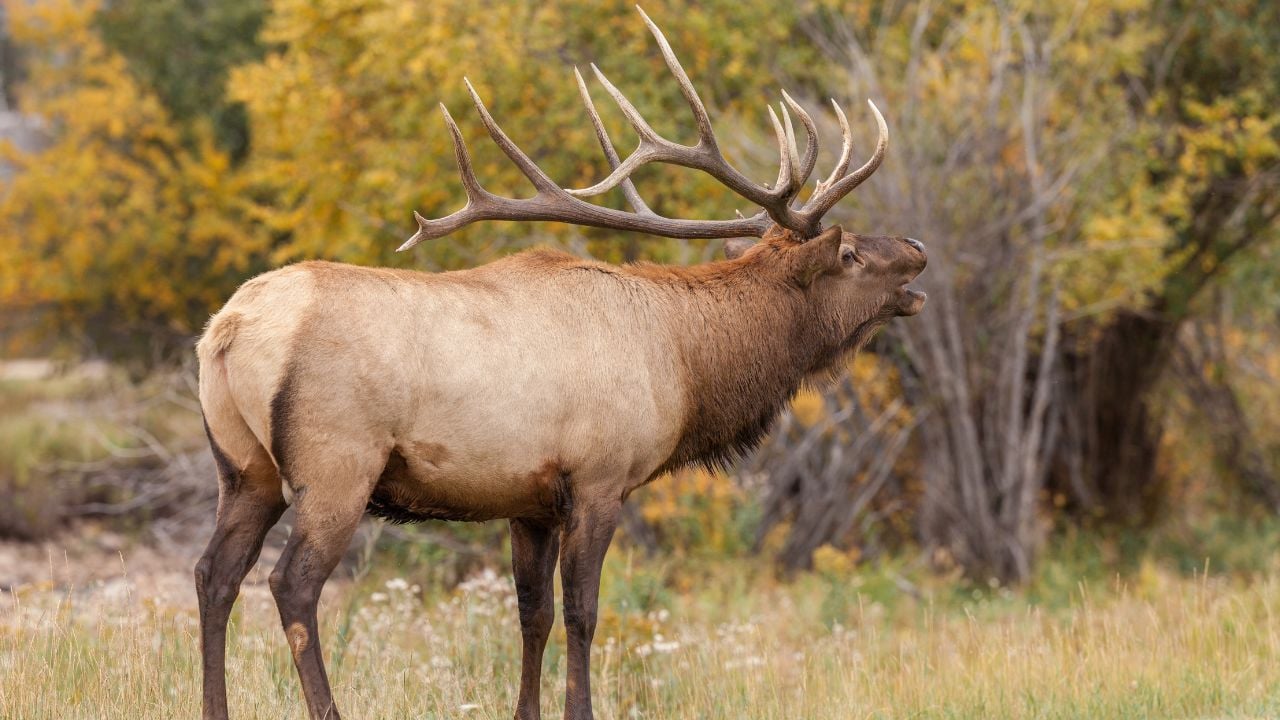
Bugling is the herd’s best-known call, and it occurs primarily during the mating season.
A wildlife ecologist with the state Department of Conservation and Natural Resources described the bugle.
In most cases it starts low and throaty, rises to a high whistle, then drops to a grunt or a series of grunts.
Bulls bugle invitations to cows and challenges to other bulls.
As the rut ramps up, bulls grow more vocal and compete with one another for available cows.
3. Antler Fights
Bull elk dry, shed or rub off the velvet on their antlers before the autumn rutting season.
The October 2025 elk newsletter says the antlers are fully grown by mid-August, and shortening days raise testosterone, which prompts them to harden.
Then the bulls fight.
They join antlers and push and shove.
The Game Commission lists a mature bull at 50 to 60 inches at the shoulder and 600 to 1,000 pounds.
Battles rarely end in serious injury.
The weaker bull usually breaks off.
4. Aggressive Bulls
Elk are wild animals that are unpredictable and sometimes aggressive, especially during the fall breeding season, according to the Game Commission.
Bulls in rut are full of testosterone and can be extremely aggressive.
The 100-Yard Guideline
The Elk Smart guidance tells you to keep a distance of at least 100 yards between you and any elk.
Feeding elk is illegal in Pennsylvania.
5. Acorn Foraging
Elk are primarily grazers that eat grasses and forbs.
Fall adds acorns.
When they’re available, acorns make up a portion of the herd’s fall diet, according to the elk species profile.
Elk also browse oak, striped maple, black cherry, Juneberry and witch hazel.
6. Breeding by Mid-October
Elk breed in September and October, and over 70% of the cows are bred by Oct. 15, the Game Commission’s October 2024 elk newsletter says.
Day length sets the pace.
As summer winds down and days shorten, testosterone levels increase, which causes both bulls and cows to focus on breeding.
The rut itself generally begins around the middle of September and carries through early to mid-October.
If you’re reading this in late October, most of the cows are already bred.
Elk Hunt Calendar
The elk hunt shares the fall with the herd, and the Game Commission’s final 2026-27 schedule opened with archery on Sept. 12 to 27.
The regular season has three firearms segments: Oct. 3 to 11, Oct. 31 to Nov. 8 and Jan. 9 to 17, 2027.
Two of those segments are still ahead.
The Oct. 3 segment was added to limit crowding and maintain hunter satisfaction.
The late season was moved later into January to avoid conflicts with major holidays.
The agency approved 155 elk licenses for the season, 80 antlered and 75 antlerless.
Only one elk may be taken during the license year.
Licenses go to winners of a drawing, which concluded July 25, 2026 at the Elk Expo at the Elk Country Visitor Center in Benezette.
The Herd’s Close Call
In 1915, the state brought in 95 more elk from Yellowstone and spread them across six counties: Cameron, Carbon, Potter, Forest, Blair and Monroe.
The first bull elk season in 1923 took 23 legal bulls, and by 1930 crude estimates put the herd at more than 200 animals in Cameron and Elk counties.
Pennsylvania’s elk population had fallen to probably fewer than 50 animals by 1952, according to the Game Commission’s elk history page.
A 1971 Penn State census counted about 65, and the number dropped to 38 by 1974, with brain worm suspected.
By 1981, the herd had grown back to 135 elk.
In the 1990s, better food conditions and deterrent fencing helped the herd flourish.
A trap-and-transfer project from 1998 to 2000 then moved 63 elk from Elk County to Clinton County, widening the range from 350 to 800 square miles.
Psst! How much do you know about Pennsylvania’s elk herd? Take our quiz and see if you can ace it.
Quiz
Elk Country IQ
Answer these questions on Pennsylvania’s elk herd, from its history to its antlers. We bet you can’t get them all right. Prove us wrong?
In 1913, Pennsylvania’s first shipment of Yellowstone elk arrived by train. About what did each of the 50 elk cost?
Where the Herd Roams
As many as 1,400 elk roam the 3,000 square miles, mostly within Elk, Cameron, Clinton, Clearfield and Centre counties.
Winslow Hill near Benezette is hands down the best place to see elk, according to the Game Commission's viewing page.
Other spots include Hoover Farm, where a viewing blind overlooks food plots, and Route 555, which runs through the heart of elk country between Weedville and Driftwood.
The Elk Cam was scheduled to run from the heart of that range from Aug. 1 until Oct. 3 this year.
That area covers more than 220,000 acres, including State Game Lands 311 and Elk State Forest.
When to Watch
The Elk Country Visitor Center's viewing tips list dawn and dusk as the best times to see elk, especially during the rut.
At Hicks Run along Route 555, the Game Commission's viewing page says elk are commonly present early and late in the day all year.
If you're out at those hours in the fall, bull elk can often be seen at the forest edge, preparing to battle other males.
8 Deer Camp Traditions Pennsylvanians Won't Reschedule for Anything
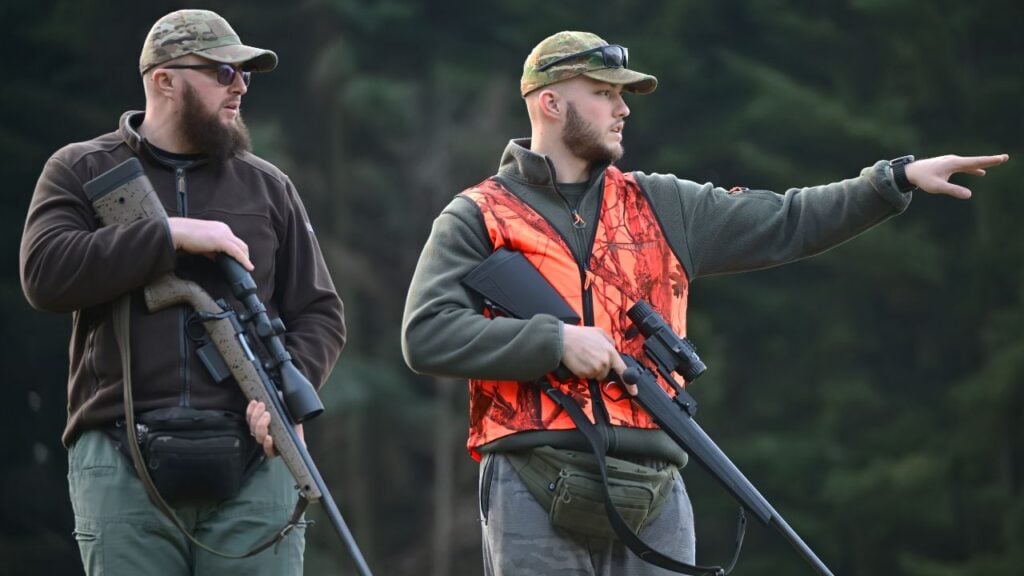
Many Pennsylvania hunters plan part of their fall around deer camp.
The traditions that come with it are ones many of them guard.
8 Deer Camp Traditions Pennsylvanians Won't Reschedule for Anything
8 Pennsylvania Farm Markets and Orchards Worth Driving Hours For
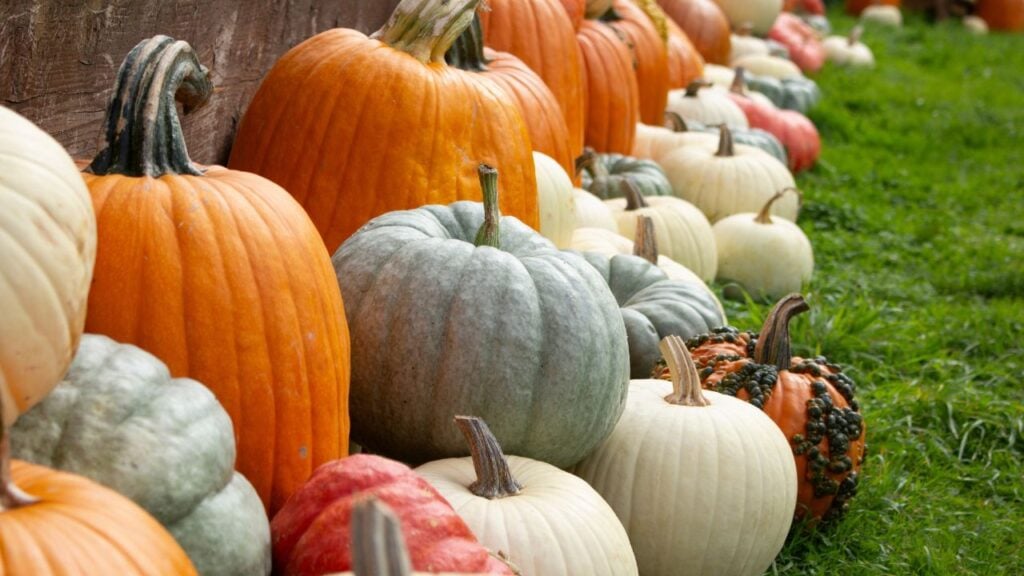
A good fall apple can be worth a long drive.
These are the farm markets and orchards that earn the miles.
8 Pennsylvania Farm Markets and Orchards Worth Driving Hours For
