
6 Things South Carolinians Can’t Stop a Neighbor From Burning Next Door

The South Carolina Forestry Commission says people cause about 98% of the state’s wildfires.
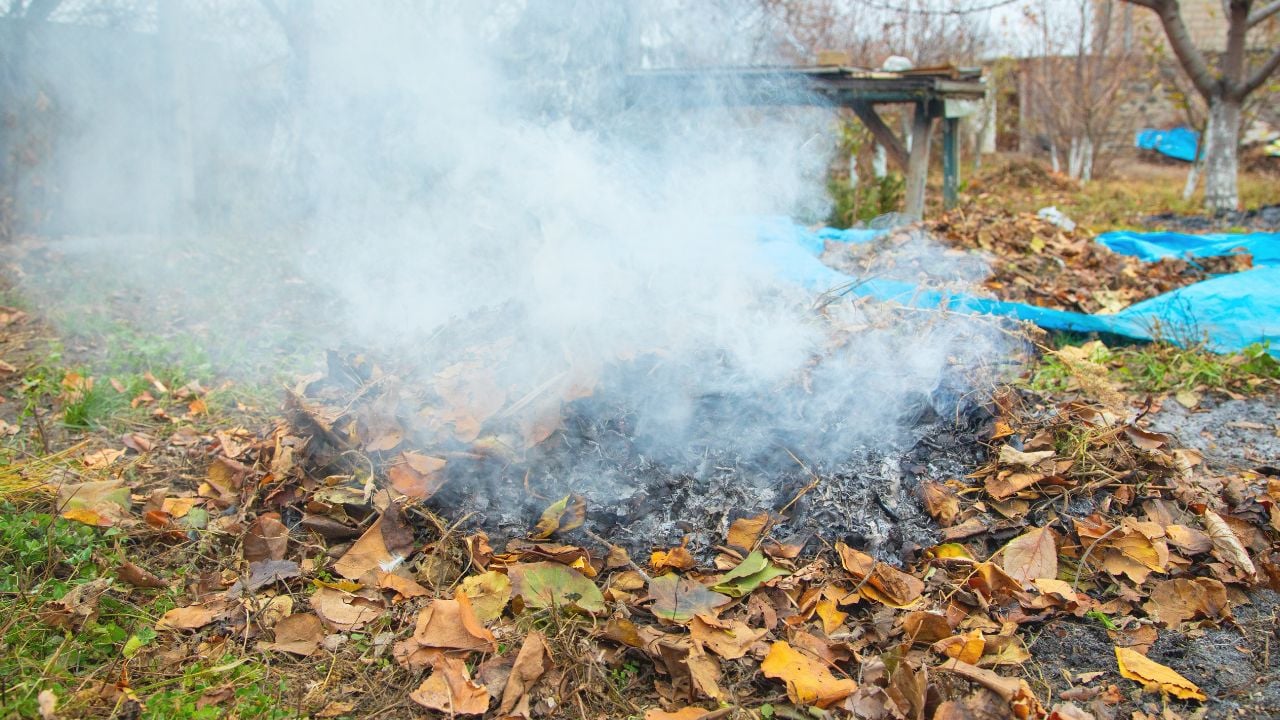
More than half of the ones that escape start in somebody’s yard.
Regardless of those startling figures, these are the things South Carolinians can’t stop a neighbor from burning next door.
Note: This is general information, not legal advice. Outdoor burning rules vary by city, county and fire district, and are subject to change, so confirm the current rules with your local fire department.
1. Campfires, Fire Pits and Cookouts
South Carolina drops the paperwork completely for a neighbor’s campfire, fire pit or cookout fire.
The same regulation that covers yard debris excuses grills, fire pits, chimineas and campfires from the outdoor-burning notification system.
Nobody has to call anyone.
A neighbor’s cookout fire can run all evening under this exemption, the grill glowing well past dark.
South Carolina sets no cutoff hour for it.
A neighbor can build a bonfire ring, invite the block over, and burn through a cord of firewood on a Friday night.
It needs no okay from you.
Only an active statewide burn ban, called by the Forestry Commission when conditions turn dangerous, shuts that door.
2. Leaves, Limbs and Yard Trimmings
A neighbor’s yard debris fire falls under South Carolina’s open-burning regulation, which exempts it from almost every other outdoor-burning rule in the state.
Leaves, tree branches and yard trimmings can legally burn right there on the property where they fell.
No sign-off needed.
Of the wildfires South Carolina blames on people, the Forestry Commission ties more than half of the escaped ones to exactly this kind of yard fire.
State law still calls the burn legal, as long as whoever lit it notified the commission first and cleared a firebreak around the pile.
The state takes that notice online or by a county phone line, and asks for a name, a number and an address.
Nothing more.
That notice goes to the state, not to you, so smoke can show up over your fence before you ever hear a word about it.
Why South Carolina’s Rules Change at the City Line
South Carolina’s outdoor-burning rules split at the city limit sign.
Once a fire sits inside an incorporated town or city, the state’s notify-before-you-burn system stops applying, and a local fire code takes over instead.
That local code can run either direction.
Some towns fold the same yard-debris and campfire allowances into the ordinance, while others ban open burning outright inside city limits.
Check with the city or town first, not just the county, since the state exemption stops at that line.
3. Prescribed Forest and Game-Land Burns
A South Carolina landowner receives even more legal cover for a prescribed burn than for a yard debris fire.
Under the state’s Prescribed Fire Act, a certified burn manager can legally set fire to forest, brush or grassland for timber management, wildlife habitat or game-land upkeep.
The manager has to file a written burn plan first, a plan that follows the state’s Smoke Management Guidelines, and personally watch the fire from the moment it’s lit.
South Carolina goes further than simply allowing it.
Under the statute’s wording, a compliant burn isn’t a public or private nuisance.
That single line strips away the normal legal tool a neighbor would reach for to make the fire stop.
No lawsuit follows.
The protection reaches even the smoke.
The same law shields the landowner from a smoke-related lawsuit unless the burn was run with gross negligence or recklessness, a bar most compliant burns never come near.
4. Agricultural Disease and Pest Burns
A South Carolina farm can legally burn a field to fight disease, weeds or pests, and a neighbor gets no vote in it.
South Carolina’s Department of Environmental Services carves out a separate exemption for that kind of fire, apart from the yard-debris and campfire allowances.
The exemption covers fires purposely set for agricultural control of diseases, weeds and pests, not routine debris burning or general field cleanup.
No notice is required.
Not to the county, the state or the people next door.
That’s the same light touch prescribed forest burns and campfires get.
Here it’s aimed at a working farm field instead of a woodlot or a fire pit.
A neighbor downwind smells the smoke with exactly as much warning as everyone else on the road: None.
5. Land-Clearing Piles Before New Construction
A developer clearing a South Carolina building site can legally burn the trees and stumps, on a schedule the state sets, not the neighbors.
The rule requires the pile to sit at least 1,000 feet from any home already standing and from any public road.
Wind direction matters too, since the smoke has to blow away from people, not toward them.
Clear that bar, and the burn can run between 9 a.m. and 3 p.m. without a call to the closest homeowner.
The state caps it at two piles, no larger than 30 feet across, for every six acres cleared.
Distance is the permission.
On a few rural acres, 1,000 feet can still be the lot two doors down, not a stranger a mile off.
Psst! How much do you know about South Carolina’s wildfire history? Take our quiz and see how many you can get right.
Quiz
South Carolina Wildfire IQ
Answer these questions on South Carolina’s wildfire history and the Forestry Commission. We bet you can’t get them all right. Prove us wrong?
What’s the largest wildfire in South Carolina history?
6. Firefighter Training Burns
A neighbor's empty house can legally go up in flames on purpose in South Carolina, if the local fire department wants the practice.
State regulation clears the way for a training burn once the department has approval, and basic property law still requires the owner's consent before anyone lights the first match.
The banned list is short: No asbestos, no heavy oils, no asphaltic material, and no plastic or rubber without written consent.
That's it.
Nothing in the regulation requires the department to ask the people next door first.
A structure fire also runs thicker, longer smoke than any brush pile ever will.
Fire departments often lean on this exemption on a house already condemned for demolition, ahead of a road project or a new development going in.
What Gets a Burn Shut Down
South Carolina draws a hard line the moment a fire burns the wrong material.
Tires, household trash, treated wood, shingles, siding, wire, insulation and plastic are banned outright, in a yard fire, a farm fire or a construction pile alike.
Burn any of that, and the fire crosses from legal to reportable in an instant.
A statewide ban changes everything else too, since the Forestry Commission can suspend all six of these exemptions at once when conditions turn dangerous, campfires included.
Report a violation to the local fire department, or to the commission directly during an active ban, and the fire that was untouchable an hour earlier becomes somebody's citation.
That call works.
A department checking a complaint runs through the same three things every time: The material, the distance and the notification.
Get any one of those wrong, and the exemption that was protecting your neighbor an hour ago stops covering them.
9 Hurricane Prep Steps South Carolina Homeowners Put off Until It's Too Late
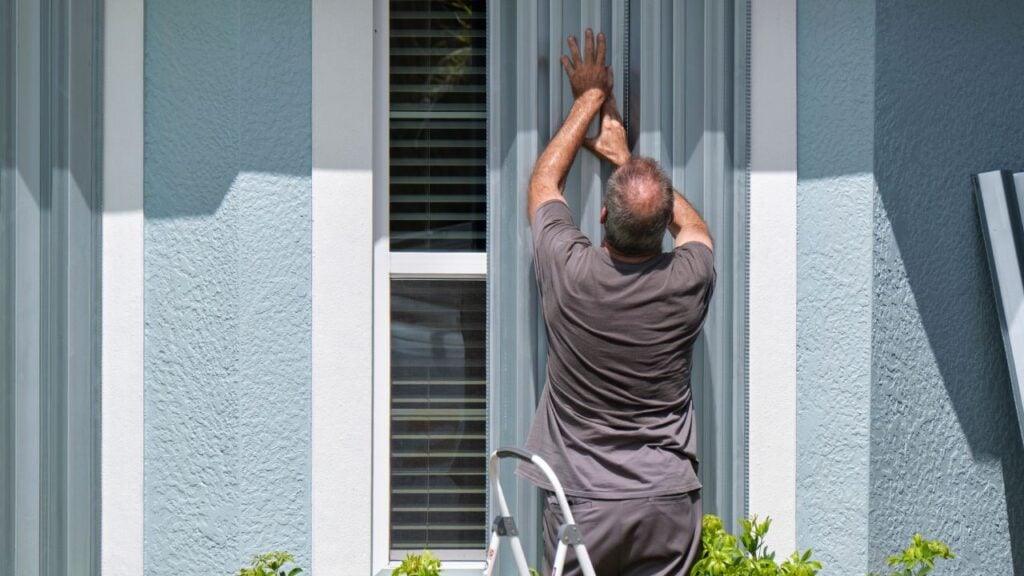
September 10 marks the historical peak of hurricane season, and some South Carolina homeowners are still working through a prep list they started back in June.
A shutter order placed too late, an untrimmed tree, and an unreviewed policy are the steps that catch people once a storm turns toward the coast.
9 Hurricane Prep Steps South Carolina Homeowners Put Off Until It's Too Late
7 South Carolina Porch Traditions That Are Slowly Disappearing
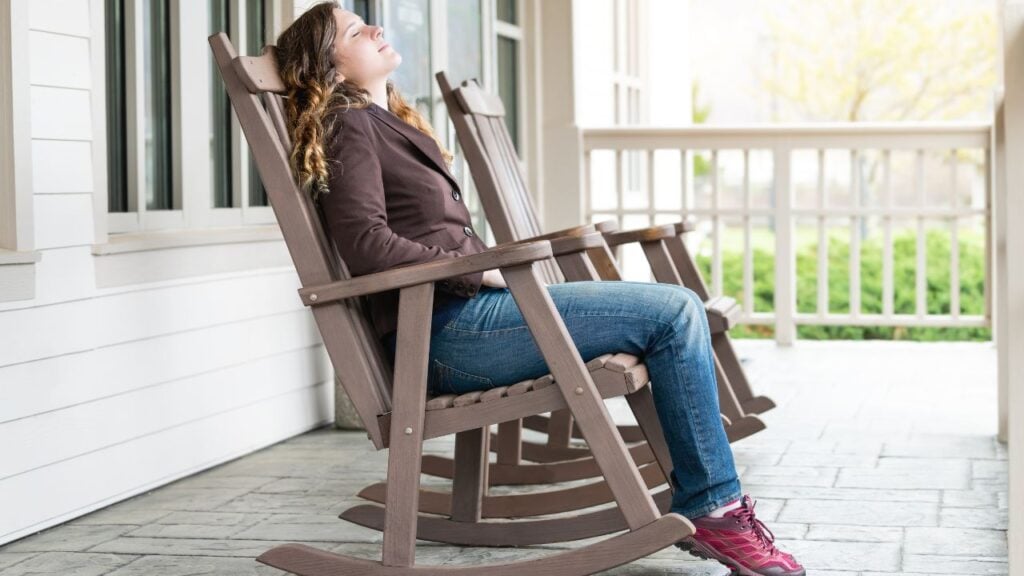
South Carolina lost more than 2,100 working farms between 2017 and 2022, a drop of nearly 9%.
Every one of those farms once needed a way to call workers in from the fields, and a bell by the porch door used to do that job.
7 South Carolina Porch Traditions That Are Slowly Disappearing
