

6 Title Problems That Stop South Carolina Heirs’ Property Owners From Selling or Borrowing

Four children become 13 grandchildren, then 42 great-grandchildren, inside three generations, by one land-policy research group’s math.
Every one of them ends up on the same deed.
The Center for Heirs’ Property Preservation says the South Carolina families it works with hold more than 40,000 acres this way, and that land is easier to inherit than to use.
These are the title problems that stop South Carolina heirs’ property owners from selling or borrowing.
Note: This is general information, not legal advice. Heirs’ property rules and court procedures are subject to change, so confirm your options with the South Carolina Bar’s Lawyer Referral Service.
1. The Deed With No Single Signature
South Carolina treats heirs’ property as one deed owned by every heir at once, not a set of separate lots split among them.
The 40,000 acres the Center for Heirs’ Property Preservation works with in South Carolina are all held this way.
Each cotenant holds an undivided fractional interest in the whole parcel, the same porch and the same back acreage, not a private slice of it.
That structure blocks a clean sale.
A title company won’t insure the deed until every living cotenant signs off.
A bank won’t fund a mortgage until then, either.
If you miss one signature, the whole transaction stalls.
That holds even when the cousins involved agree on everything else.
One heir can still sell or mortgage just their share, without asking permission from the rest of the family.
A buyer or a lender taking that single share ends up owning a fraction of the property alongside everyone else, not the whole home free and clear.
That rarely solves anything.
2. A Relative Still on the Deed
An heirs’ property deed in South Carolina can still carry a grandparent’s name, decades after that grandparent died.
Nobody opened an estate, so the county’s record never caught up.
That’s the part lenders see.
South Carolina law bars ordinary probate proceedings more than 10 years after a death, so a family that waits past that window loses the standard path to a clean deed.
A Petition to Determine Heirs stays open even past that deadline.
It’s often the only path left to a court order naming exactly who owns the property today, share by share.
Until that order exists, a lender is looking at a mortgage application on a dead person’s house.
3. The Growing List of Owners
Heirs’ property in South Carolina doesn’t pass to one person at a time.
It passes to an entire generation at once, and then to their children after that, with no new deed filed at any step.
By the third generation, four children can turn into 42 great-grandchildren.
Every one of them becomes a cotenant, whether they’ve ever set foot on the property or not.
All of them count.
Nobody signs anything new when that happens.
A title search can pull names off old deeds, but it can’t certify who’s still alive, who’s died since, or who married into the family.
Getting that certainty takes a court-ordered heirship determination or a lawsuit that formally settles who owns the property.
Buyers and lenders both wait on that math before they’ll move.
Psst! How much do you know about South Carolina heirs’ property? Tap through these myths and facts and see how many you get right.
4. A Cotenant’s Debt on the Whole Deed
One relative’s paperwork problem can follow a South Carolina heirs’ property deed straight onto the whole family’s title.
A judgment, a tax lien, or an unpaid debt against just one heir attaches to that heir’s fractional share, not to the shares the rest of the family holds.
It still shows up.
A title search of the whole parcel catches it because the lien sits against a name on the same deed as everyone else.
A buyer or a lender wants every share free and clear before closing.
One relative’s old debt can hold up a sale that has nothing to do with anyone else on the deed.
Untangling it means paying the lien off, negotiating it down, or asking a court to resolve it.
None of that happens fast.
5. The Whole-Parcel Tax Risk
Heirs’ property in South Carolina carries one property tax bill for the whole parcel, not a separate bill for every cotenant’s share.
It’s one bill total.
A lender treats that shared tax lien as shared risk before it ever reads a loan file.
With a dozen or more heirs sharing one deed, nobody feels personally on the hook for a bill that belongs to everyone at once.
That’s exactly the kind of bill that slips through the cracks.
An owner or an heir gets 12 months to redeem the property after a delinquent tax sale, paying the winning bid plus interest that increases the longer the family waits.
If you miss that window, a second 12-month countdown starts running against the whole family.
Once that second year passes too, the tax deed becomes legally incontestable.
Lenders don’t wait around to see whether that timeline plays out.
A lender won’t extend a dollar against heirs’ property carrying that kind of risk, whether a tax sale has happened yet or not.
6. The Required Court-Ordered Appraisal
A partition case in South Carolina doesn’t skip straight to auctioning off heirs’ property.
South Carolina’s Clementa C. Pinckney Uniform Partition of Heirs’ Property Act puts a court-ordered appraisal first, the moment anyone files to force a sale.
A licensed, disinterested appraiser values the whole property.
Cotenants then get 30 days to object before a judge signs off on the number.
Not overnight.
Only then does the buyout clock start.
Cotenants who didn’t ask for the sale can buy out those who did, at that court-set value.
They get 60 days to pay.
None of it moves fast.
None of it is free.
A judge taxes appraisal costs and attorneys’ fees as part of the case, and can assess them against any of the parties involved.
The Price Floor Behind a Court-Ordered Sale
South Carolina’s heirs’ property law puts a hard floor under any sale that reaches this stage. The broker handling it can’t accept an offer below the value the court’s appraisal already set.
Cotenants get 30 days to agree on that broker before a judge appoints one.
If no solid offer shows up in a reasonable time, the court can approve the best bid on the table or order a fresh appraisal.
It can also send the property to a sealed-bid or auction sale instead.
The New Law’s One-Cost Cut
South Carolina now spells out one less cost for clearing heirs’ property title.
One less bill.
Governor Henry McMaster signed a law in May 2026 that keeps certain deed transfers among family members from triggering a full property tax reassessment.
The exclusion applies as long as the transfer clears heirs’ property title and the family files the right paperwork.
Every family member involved has to sign an affidavit confirming the property meets the state’s heirs’ property definition before a county assessor will honor the exclusion.
Once the title is fully cleared, the property loses its heirs’ property status, taking the tax exclusion down with it.
The exclusion only covers that one deed transfer, and only when every family member involved signs the paperwork the assessor’s office asks for.
9 Hurricane Prep Steps South Carolina Homeowners Put Off Until It’s Too Late
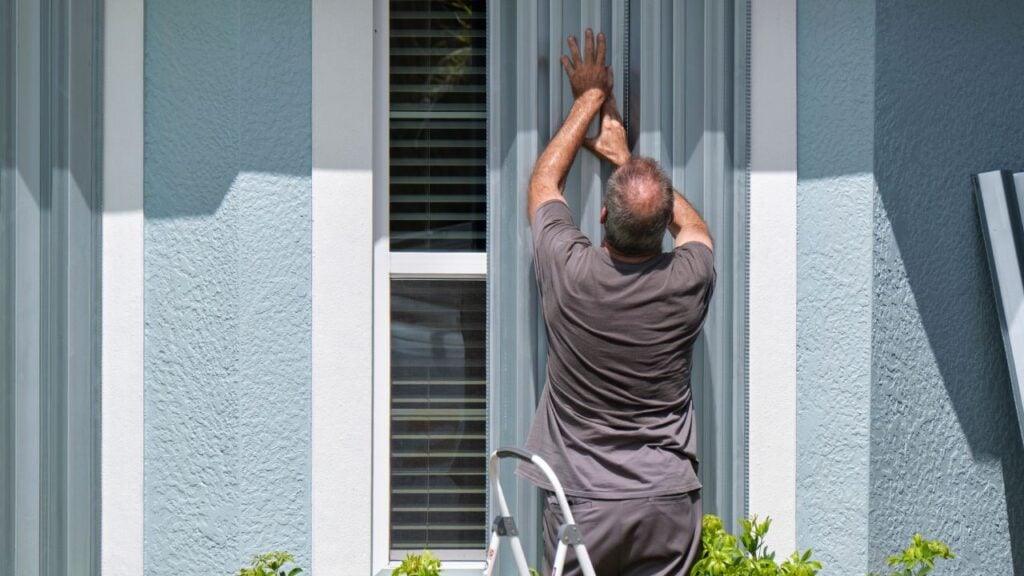
Early-to-mid September marks the historical peak of hurricane season, and many South Carolina homeowners are still working through a prep list they meant to finish back in June.
Flood coverage alone carries a thirty-day wait before it kicks in, which catches homeowners who wait for a storm to enter the forecast before buying a policy.
9 Hurricane Prep Steps South Carolina Homeowners Put Off Until It’s Too Late
9 South Carolina Antique Shops Locals Guard Like a Secret

A directory called the South Carolina Antique Trail lists close to 100 antique shops, malls, and flea markets scattered across the state.
Many people have only ever poked around the shop nearest home, and that’s exactly why the best finds stay local secrets.
