
7 Arizona Trips Locals Refuse to Take Until the Heat Breaks

Maricopa County’s Office of the Medical Examiner had confirmed 113 heat-related deaths by Aug. 22, 2026, with 584 more still under investigation.
Arizonans don’t need those numbers explained to them.
These are the Arizona trips locals refuse to take until the heat breaks.
Note: This is general information, not medical advice. Hours, closures, and heat warnings are subject to change.
1. Camelback Mountain
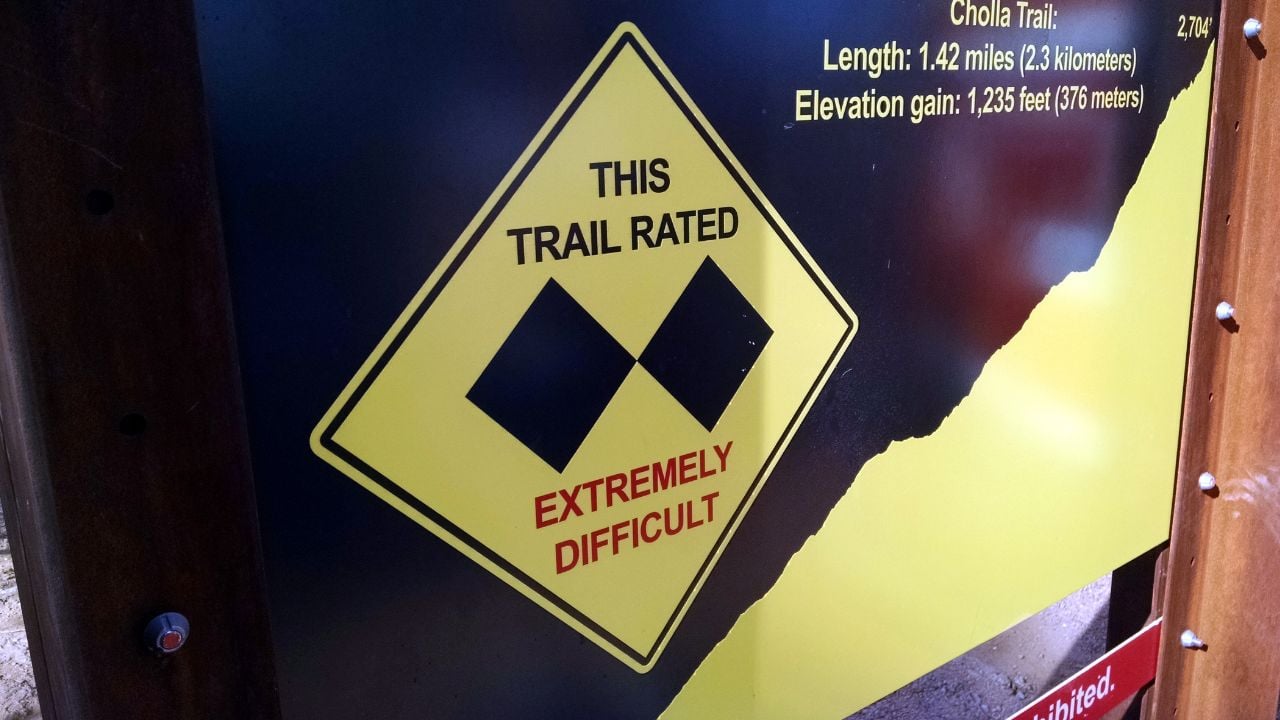
Camelback Mountain shuts down its two busiest trails, Echo Canyon and Cholla, every time the National Weather Service issues an Extreme Heat Warning over Phoenix.
The closure runs from 8 a.m. to 5 p.m. That’s nine hours out of a peak-summer day that holds only about fourteen hours of daylight to begin with.
The other five hours split between first light and last light.
Most of the day, gone.
Another 584 deaths countywide were still under investigation on that date.
For nine hours a day, every Extreme Heat Warning day, the summit hike simply isn’t an option.
2. South Mountain Park
South Mountain Park is where many Phoenix hikers land once Camelback’s parking lot fills up, and summer takes that option away too.
The city later expanded those closures to South Mountain, shutting down Holbert Trail, Mormon Trail, and the Hau’pal Loop Trail.
Every closure runs on the same Extreme Heat Warning days, the same 8 a.m. to 5 p.m. window as Camelback.
That’s the same nine hours out of scarcely fourteen of peak-summer daylight.
No exceptions, no shortcuts.
South Mountain’s paved picnic areas and lower ramadas stay open through all of it.
The picnic tables stay open. The hike doesn’t, not until the warning lifts.
What Triggers an Extreme Heat Warning?
Phoenix’s trail closures don’t run off one fixed temperature.
The National Weather Service instead tracks a HeatRisk scale running zero to four, and issues an Extreme Heat Warning once conditions reach the top of it.
Research behind that scale has tied heat-related deaths in Arizona to temperatures as low as the mid-80s, since the body needs weeks each season to adjust.
The alert used to be called an “Excessive Heat Warning.” The National Weather Service renamed it nationwide in March 2025. Same trigger, new name.
3. Sabino Canyon
Sabino Canyon pulled 16 hikers off its trails near Seven Falls in a single August 2026 weekend, many of them needing help for heat.
Fourteen of those rescues happened in one day, on the seventh straight day of extreme heat across southern Arizona.
One call for a single hiker turned into more than a dozen people needing help on the same stretch of trail.
It spreads fast.
Search and rescue volunteers point to the slow buildup more than any single bad call, since hikers often stop tracking their water until much of it is already gone.
Tucson hikers who know the canyon save Seven Falls for the cooler months and stick to the paved lower loop instead once summer sets in.
4. Phantom Ranch
Phantom Ranch sits at the bottom of the Grand Canyon, a night backpackers earn only after miles of steep trail to get there.
The National Park Service tells hikers not to attempt that hike down and back in one day at all, especially between May and September.
The agency’s guidance warns that extreme heat on those trails can turn life-threatening fast.
The South Kaibab Trail carries the worst of it. The Park Service describes the route as steep and exposed, with no water source and very little shade along the way.
There’s no shortcut down.
Locals who backpack the corridor save that overnight trip for cooler months, not the stretch the Park Service itself warns against.
Psst! How heat-ready is your next Arizona trip? Run through this checklist and see where you stand.
5. Hot Air Balloon Rides
Hot air balloon rides over the Sonoran Desert pause across metro Phoenix for much of the summer, and it isn’t from a lack of customers.
Hot Air Expeditions, one of the region’s biggest operators, only runs afternoon flights from November 1 through mid-March, citing the heat as the reason.
A balloon climbs on the difference between the air inside its envelope and the air outside. On a Phoenix summer afternoon, the outside air runs so hot there’s barely any difference left to work with.
Less lift when it’s hot.
Morning flights still go up nearly every day of the year, since sunrise air sits cooler and calmer even in August.
Locals who want the classic sunset flight over the desert wait for that afternoon window to reopen each fall instead of settling for a sunrise trade.
6. MacDonald’s Ranch
MacDonald’s Ranch in Scottsdale runs one schedule from May 4 through September 30, and a completely different one the rest of the year.
Through that whole stretch, the ranch is closed entirely on Mondays and Tuesdays.
No riding. No visits.
Only the Tuesday closure carries into fall; October’s schedule reopens Mondays from 9 a.m. to 5 p.m., so the extra closed day is a summer-only subtraction, not a year-round habit.
On the five days it is open all summer, riding still stops from 10 a.m. to 5 p.m., picking back up for a short evening window before the ranch closes for the night.
That’s seven hours gone on the days it’s open, and two full days gone every week.
Come October, the schedule widens to a full day with no midday break, and Mondays are back on the calendar.
For two of every seven days, all summer long, the ranch simply isn’t open at all.
7. Boyce Thompson Arboretum
Boyce Thompson Arboretum in Superior ran a squeezed schedule for three straight months this year, and closed one full day a week the entire time.
From June through August, the park opened at 6 a.m., closed at noon, and shut entirely on Tuesdays.
That’s a schedule built around the coolest hours of the day, with one day cut out completely.
The park’s normal schedule runs from morning into evening. This cut it to six hours on five days and zero on the sixth.
Six hours, nothing more.
The cutback lifts as the days cool.
As of September, the arboretum’s hours page lists a wider 6 a.m. to 3 p.m. window, open every day, Tuesdays included.
A full closed day each week is gone the moment the calendar turns to September.
The arboretum’s hours page works as well as any forecast for when the worst of the heat has broken.
No Heat Closure for Desert Botanical Garden
Not every Arizona destination goes dark for the summer. Desert Botanical Garden in Phoenix stays open every day of the year, heat included.
The Garden does close its trails, restaurant, and gift shop from 1 to 5 p.m. daily in peak summer, the hours a Phoenix afternoon gets worst.
It makes up for that gap on the other end, opening at 6 a.m. and staying open until 10 p.m.
That’s sixteen hours of access built around a four-hour hole, not a closed gate.
The Garden built a whole program around that same gap: Flashlight Nights.
After dark, not at noon.
It lets visitors walk the cactus paths in the evening instead, running Saturdays through Sept. 26, 2026, just about when Phoenix afternoons start losing their edge.
Regulars treat the midday closure as background noise rather than a reason to skip the trip, walking in whenever the gate happens to be open.
That’s the difference between a destination locals wait out and one they never stopped visiting.
9 Arizona Foods and Drinks Visitors Order Wrong Every Time

A burrito tumbling into a deep fryer at Tucson’s El Charro Café in 1922 is supposed to have given Arizona the chimichanga, curse word included.
Many visitors order one by name, and plenty leave without knowing how a local asks for it.
9 Arizona Foods and Drinks Visitors Order Wrong Every Time
8 Arizona Water Rights Rules Rural Property Owners Get Wrong
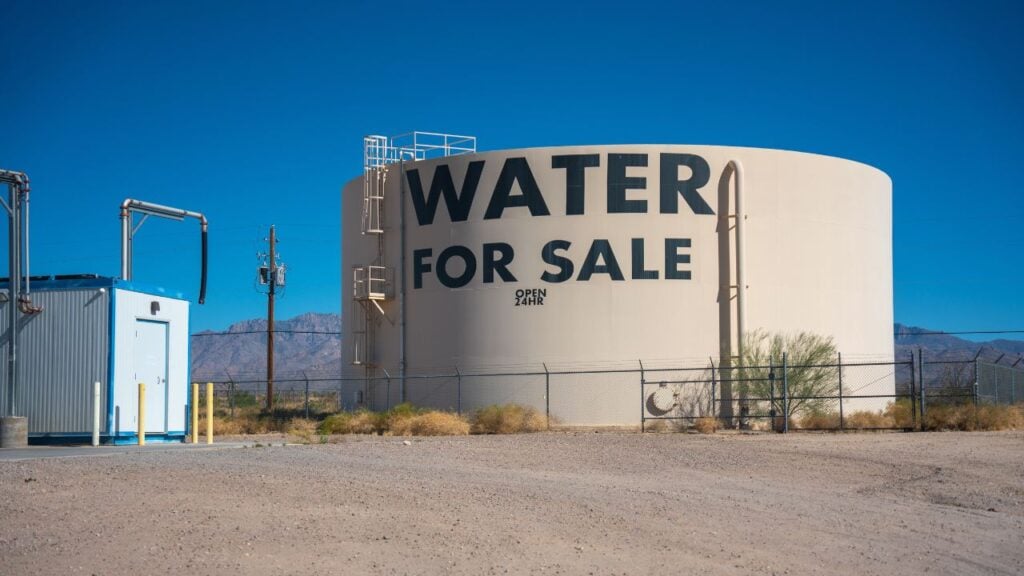
A drill rig can put a well on almost any rural Arizona property, and that well doesn’t make the water underneath it anyone’s to sell.
Arizona’s water law runs on doctrines dating back to the 1800s. Outside the state’s cities, much of it still catches landowners by surprise.
8 Arizona Water Rights Rules Rural Property Owners Get Wrong
