
7 Car Dealership Add-Ons Pennsylvanians Should Question Before Signing

The Federal Trade Commission’s research into car buying named finance office add-ons the single greatest area of confusion in the entire deal.
But there’s a silver lining.
Plenty of what gets added to your paperwork is negotiable, and you can turn down some of it outright.
These are the car dealership add-ons that Pennsylvanians should question before signing.
Note: This is general information, not legal, financial, or insurance advice. Dealer fees, loan terms, and insurance rules are subject to change, so confirm the current details with the Pennsylvania Attorney General’s Bureau of Consumer Protection.
Extended Warranty Service Contracts
Extended warranty service contracts are usually the biggest single add-on a Pennsylvania dealership’s finance office pitches once the paperwork starts.
A finance manager might talk about it like it simply extends the manufacturer’s warranty.
It doesn’t.
The Federal Trade Commission treats a service contract as a separate product from the manufacturer’s warranty because a buyer purchases it separately.
That’s federal law, and it holds true in every state, not just Pennsylvania.
That’s why a dealership can sell a service contract even on a car with no factory coverage left at all.
What a dealership pays for one of these contracts and what it charges a buyer for it are two different numbers.
A National Consumer Law Center review of more than a million dealer service-contract sales found the average markup ran 83 percent over the dealer’s cost.
That’s a lot of money for a piece of paper.
None of this means a service contract is always a bad idea.
A high-repair vehicle well past its factory coverage can make a service contract worth pricing out.
That pricing should happen with more than one company, not just the dealership sitting across the finance office desk.
Pennsylvania’s legal-aid guide for buyers is blunt about it: These contracts often run overpriced, and nobody has to accept a service contract to finance a vehicle.
What a Dealership’s Financed Service Contract Costs
A $2,000 dealership service contract financed into a six-year loan at 7 percent interest doesn’t cost $2,000 by the time the loan is paid off.
It costs closer to $2,450 because every dollar rolled into the loan collects interest right along with the car.
That’s true of any add-on financed the same way, not just a service contract.
GAP Insurance’s Hidden Markup
Guaranteed asset protection (GAP) insurance covers the gap between what a totaled or stolen car was worth and what’s still owed on the loan.
Say a Pennsylvania buyer finances $28,000 for a new car and totals it a year later, when it’s only worth $24,000.
Without GAP insurance, that buyer still owes the $4,000 difference on a car that no longer exists.
With it, the insurance covers that gap instead.
That’s the safety net.
GAP insurance pricing has drawn a cap in Pennsylvania, though it only reaches part of the market.
In 2019, the state’s Department of Banking and Securities told Consumer Discount Company Act licensees, a category of licensed lenders, what they can charge for GAP insurance.
Those lenders can charge a borrower no more than the actual cost of the coverage, with no markup.
That cap binds one class of lender, not every dealership or bank writing an auto loan in Pennsylvania.
Federal rules say nobody is required to buy GAP insurance to get a car loan.
Price it with your bank or insurer before the finance office writes GAP insurance into the loan.
Credit Life and Disability Insurance
Credit life and disability insurance pays off what’s left on the loan if the buyer dies or becomes disabled before the car is paid off.
Dealerships usually roll it into the loan as a single premium, so the buyer never writes a separate check and barely notices the cost.
That’s the point.
Pennsylvania regulates credit life and disability insurance closely enough to give it a whole chapter of the state’s insurance code.
That chapter sets separate rate standards for the life coverage and the disability coverage.
That much oversight is a signal.
Many buyers already carry life insurance or disability coverage through an employer.
That’s a second policy, on top of one they may not need.
Federal rules require a lender to get a buyer’s signed, voluntary request before adding credit life or disability insurance to a loan.
Only that signed request keeps its cost out of the loan’s official finance charge.
Consumer regulators say buyers generally can’t be required to buy this coverage to get an auto loan.
Question whether the second policy earns its place before you sign for it.
VIN Etching’s Big Markup
Vehicle identification number (VIN) etching stamps that number onto a car’s windows, so a stolen vehicle is harder to resell for parts.
It takes a few dollars in materials and a few minutes of labor.
That same National Consumer Law Center review found VIN etching’s markup averaged 325 percent over the dealer’s cost.
That’s not a rounding error.
Federal Trade Commission research named finance-office add-ons like VIN etching the single greatest area of confusion for car buyers.
Confusion works in the dealership’s favor here because many buyers have no idea what etching costs to perform.
Some local police departments and AAA chapters run free etching events, and a locksmith can usually do the same job for far less than a dealership charges.
None of that shows up on the finance office’s menu.
Psst! How ready are you to sit across from a Pennsylvania dealership’s finance office? Run through this checklist and see where you stand.
Paint and Fabric Protection
Paint and fabric protection promises to keep a new car’s finish and upholstery looking newer for longer, and it shows up on many Pennsylvania finance office menus.
The product itself is usually the same kind of sealant sold at any auto parts store, just applied by the dealership instead of the buyer.
It’s cheaper there.
A bottle from a store shelf and an afternoon in the driveway does roughly the same job the finance office charges far more for.
Paint and fabric protection fits the same pattern the Federal Trade Commission’s research found runs through finance-office add-ons generally.
Wanting the extra protection is a fair choice for some buyers, but it belongs in a price comparison before signing, not as a surprise line item after.
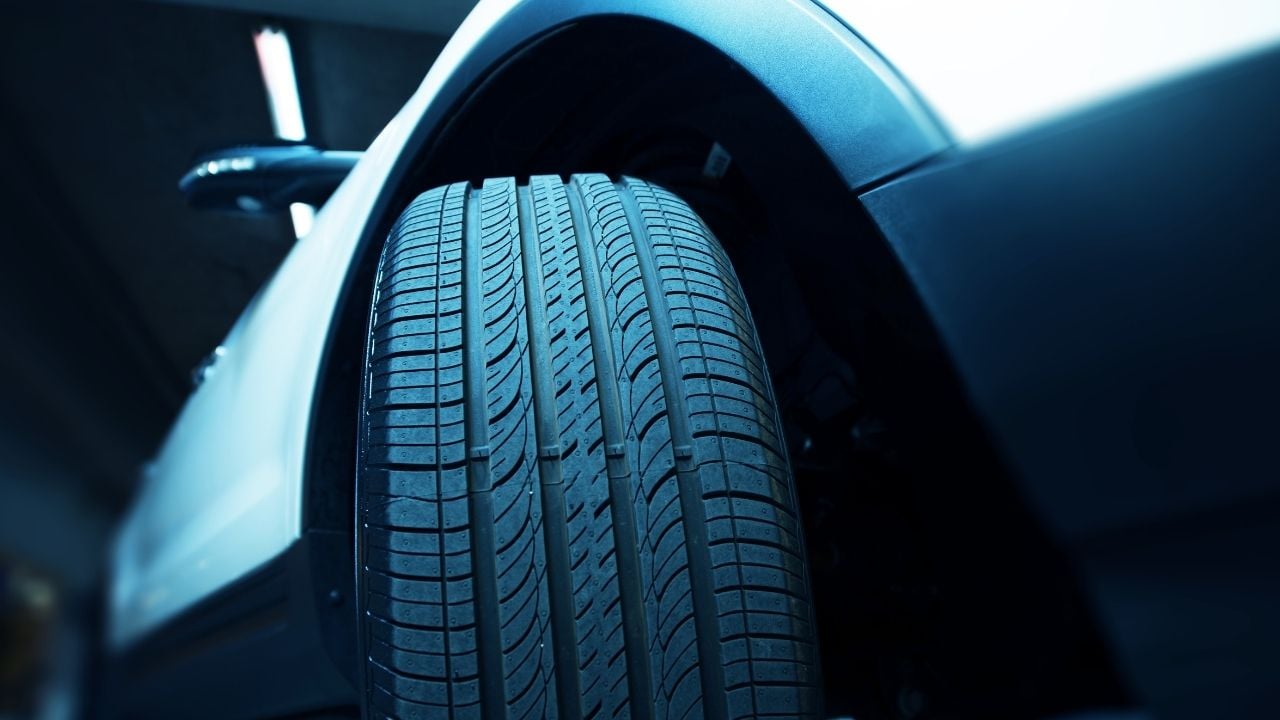
The Nitrogen Tire Upsell
Nitrogen-filled tires show up in the finance office as a pitch for holding pressure longer and improving fuel efficiency, usually for a per-tire charge.
Regular air is already about 78 percent nitrogen.
Consumer Reports tested the difference for a full year.
Air-filled tires lost 3.5 psi over that year, and nitrogen-filled tires lost 2.2 psi, a gap of about a pound of pressure.
That’s barely anything.
Consumer Reports also found dealerships and tire shops often charge $5 or more per tire for the fill.
A whole-car package in a finance office can run well past that.
Checking your pressure monthly with regular air gets you close to the same result, for close to nothing.
Your Documentary Fee
Your documentary fee shows up on almost every Pennsylvania car deal, listed like a fixed government charge with no room to move.
It isn’t a government charge.
Pennsylvania’s State Board of Vehicle Manufacturers, Dealers and Salespersons caps how much a dealership can charge for that paperwork under 63 P.S. §818.327(c), and the cap adjusts every year to track inflation.
For 2026, that cap is $490 if a dealership processes the paperwork electronically, or $409 if it’s done by hand.
The fee itself isn’t optional, but its size still is.
State rules also require that fee to be posted somewhere in the dealership, in plain sight, before a buyer signs anything.
Almost nobody checks.
That number is negotiable, not government-mandated.
A dealership that charges more than the posted cap risks the kind of scrutiny the Pennsylvania Attorney General’s office reserves for deceptive pricing.
The state’s Bureau of Consumer Protection takes complaints about exactly this kind of thing, from a rowhouse buyer in Philadelphia to a first-time buyer outside Erie.
9 Pennsylvania Amish Country Stops Locals Recommend
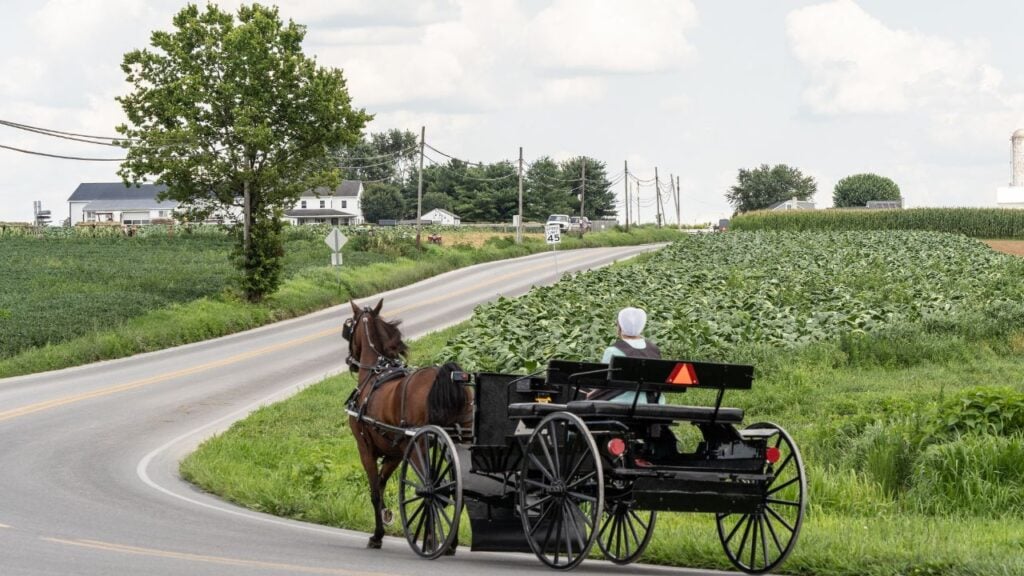
Thousands of horses changed hands last year at a sales barn outside New Holland, and many of the people filling the bleachers were Amish or Mennonite farmers, not sightseers.
A brochure won’t mention that stop, and these are the Pennsylvania Amish Country stops locals send each other to instead.
9 Pennsylvania Amish Country Stops Locals Recommend
9 Pennsylvania Utility Fees That Have Skyrocketed Since 2020

A rowhouse in Philadelphia can carry roughly the same water bill for years, then two bills in a row that look nothing like the bills before them.
A third bill follows the same pattern, one approved rate case at a time, and Pennsylvania utility fees have risen that way in cities across the state since 2020.
9 Pennsylvania Utility Fees That Have Skyrocketed Since 2020
