
7 Foods Born From Hard Times That Alabamians Still Eat Today

By 1900, Alabama farmers were boiling down 2.6 million gallons of cane syrup a year.
Many families couldn’t spare money for store-bought sugar.
You’d have grown up on that syrup too, back when there wasn’t money for anything sweeter.
These are the foods born from hard times that Alabamians still eat today.
1. Boiled Peanuts
Boiled peanuts became a wartime food long before they became a roadside snack.
As the Civil War dragged on, Confederate soldiers ran short of bread and meat, and peanuts became an accessible source of protein when little else was.
On the trail, soldiers roasted or boiled them over campfires, salting them enough to keep a batch edible for days.
Not a treat.
You can still find that same pot going in Crenshaw County, where Luverne has run an annual Labor Day peanut boil since 1970.
Get there early if you want some because in past years the peanuts have sold out before Labor Day weekend was even over.
2. Cornbread
Cornbread fed people who had no say over what went on their plate, long before it turned into comfort food.
Enslaved cooks were handed cornmeal because it was cheap to buy and easy to stretch.
Many baked it as ash cake, patted onto oak leaves and set in the coals since they had no pans or ovens.
Not a luxury.
You’d have paid more for wheat flour than many families, free or enslaved, could afford.
During the 1863 siege of Vicksburg, residents lived on cornbread and mule meat because almost nothing else was coming through the Union lines.
You’ll still find a pan of it at many meat-and-three counters across Alabama, from Dothan to Homewood, set out next to the vegetables like it never left.
3. Collard Greens
Collard greens showed up in garden patches because the plant asked for almost nothing and still gave back a lot.
Enslaved West Africans saved the plant from extinction, carrying its foodways into the small gardens they kept in America.
Travelers touring the South in the 1800s, including landscape architect Frederick Law Olmsted, found collards growing in the garden plots of poor families, enslaved and free alike.
The plant shrugs off frost, staying in the garden long after other crops in a hard year had already given out.
Hardy stuff.
You could count on a collard patch even in a year when nothing else in the garden came up.
Families drank the pot liquor left behind too.
Boiling the greens pulled their vitamins and minerals into that water, so pouring it out meant pouring out food.
You’ll still find them on Alabama’s New Year’s Day plate.
The greens stand in for folding money, and the black-eyed peas beside them stand in for coins, both meant to draw money into the new year.
4. Sweet Potatoes
Sweet potatoes kept families fed when a hungry season left almost nothing else in the ground.
Enslaved West Africans brought yam-cooking knowledge with them and put it to work on the sweet potato.
It quickly became a staple across every class in the antebellum South.
Plain survival food.
It grew abundantly with almost no help, and once you had a batch packed into a mound of dirt, it kept edible all winter.
That’s what counted for families with the least.
That’s insurance you could bury in the yard every fall and still be eating come February.
Cullman County has held a Sweet Tater Festival every Labor Day weekend for more than 30 years.
Alabama has since made the sweet potato its official state vegetable, proof the crop that once kept a family fed all winter never left.
Psst! How much do you know about Alabama and Southern food history? Take our quiz and see how many you can get right.
Quiz
Alabama & Southern Food History Quiz
Bet you don’t know all nine of these.
Alabama’s Lane Cake was invented by a home cook from which Barbour County town?
5. Biscuits and Gravy
Biscuits and gravy started out as fuel, not comfort food.
The pairing took hold in Southern Appalachia in the 1800s, where pork fat was relatively inexpensive and loggers and farmhands needed a high-calorie breakfast they could afford.
Butter, flour, and rendered sausage fat turned into a gravy that could stretch a few biscuits into a full breakfast.
Cheap and filling won.
You'd have needed exactly that if you spent all day hauling logs on an empty stomach.
Diners and meat-and-three counters still spoon it thick over a split biscuit on many breakfast menus, long before the lunch crowd shows up.
6. Cane Syrup
Cane syrup filled the gap that store-bought sugar left in kitchens.
Refined sugar was too costly for many 18th- and 19th-century Alabama households.
So you'd have pressed cane or sorghum and boiled it into syrup you could make at home, the same as everyone else who couldn't afford refined sugar.
Sweet, and homemade.
Demand for it spiked again the moment sugar was rationed nationwide in 1941, then fell off once the war ended.
Commercial syrup and cheap sugar eventually took over many kitchens, but the tradition never fully quit.
You can still watch cane get pressed and boiled the old way every October at Loachapoka's Syrup Sopping Day.
It's a Lee County gathering that has run for more than 50 years.
Alabama's Syrup Boom Collapsed Fast
Alabama's cane and sorghum syrup production spiked hard during World War II, then collapsed even faster.
Sugar rationing in 1941 pushed output back up to about 2,860,000 gallons by 1945, nearly matching the state's 1900 output.
By 1954, just nine years later, production had fallen to only 375,000 gallons, an 87% drop.
Alabama farmers had made 2.6 million gallons of syrup back in 1900, and the wartime rebound briefly matched that old high before production collapsed for good.
Cheap, mass-produced syrup hit store shelves in the 1920s, and once a jar cost less than the labor of pressing cane by hand, many families stopped doing it themselves.
7. Chitlins
Chitlins came from the one part of the hog enslavers didn't want for themselves.
Enslavers kept the hams and the loins at hog-killing time and handed enslaved cooks the leftovers.
That included the pig's intestines, which took hours of cleaning before they were fit to cook.
Nothing about that cut was a gift.
You'd have had no say in what hit your plate on hog-killing day, same as the cooks who came before you.
Cooks leaned on the West African tradition of eating an animal's organs and turned the least wanted part of the hog into a dish worth passing down.
No glamour in it.
You'll still find many Black families across the South cooking a pot of them for the winter holidays, a tradition that's held on for generations.
Where the Recipes Came From
Alabama's hard-times cooking didn't come from one place.
Enslaved Africans and their descendants shaped how Alabama ate collard greens, sweet potatoes, and every part of the hog.
Those foodways took root long before the Civil War ever touched the state.
Hill-country farmers in Southern Appalachia brought a version of getting by on pork fat and flour.
Same table, different roots.
You can eat off both traditions in the same meal today without anyone at the table stopping to ask where either one came from.
Both traditions ran through the same Depression, the same world wars, and the same county fairs, and Alabama's table still carries pieces of each one.
A Different Kind of Hard-Times Food
Not every hard-times dish survived the trip to today's table.
Poke sallet is a foraged wild green that formerly enslaved and poor families ate because it was free and came up early in spring when little else had.
It has mostly faded from kitchens today.
It has to be boiled and drained three separate times before it's safe to eat.
Fewer hands, fewer recipes.
You'd need someone older to teach you the timing because getting it wrong is how it stays dangerous.
Fewer people are willing to learn the process from a parent or grandparent who still remembers it.
Arab still holds its Poke Salat Festival every year, timed to the third Saturday in May because that's when the plant comes up.
A food writer went looking for it at the festival, found the crowd instead of the plant, and learned the closest place selling it had sold out.
7 Beloved Dishes Alabamans Lost When Cracker Barrel Rewrote Its Menu
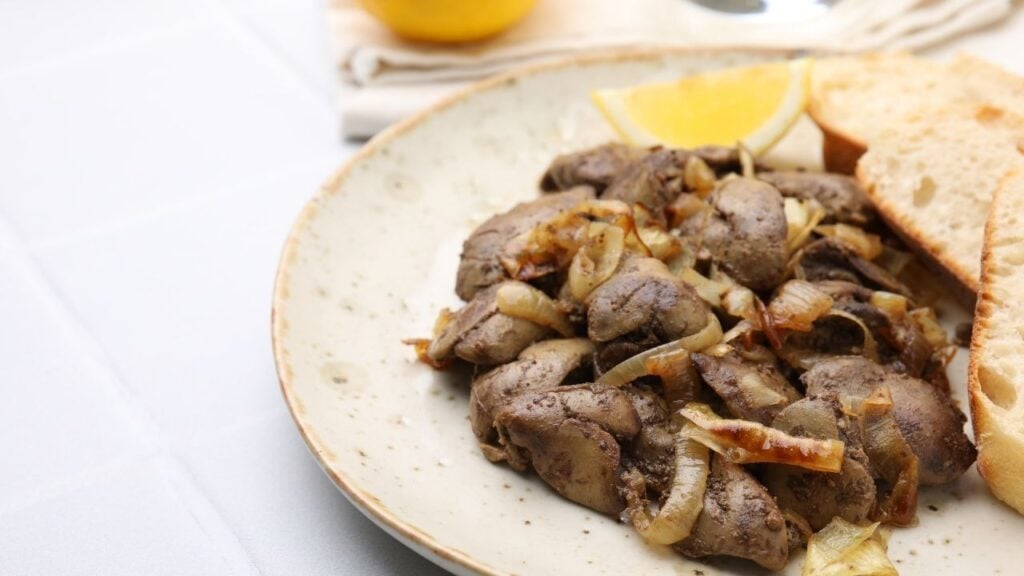
Alabama has dozens of Cracker Barrel locations, and regulars at every one of them have watched familiar plates disappear from the menu over the years.
You probably have a favorite from the old menu that you still ask about, even though the server already knows the answer.
7 Beloved Dishes Alabamans Lost When Cracker Barrel Rewrote Its Menu
8 Sweet Tea Rules Out-of-Staters Break at Every Alabama Cookout
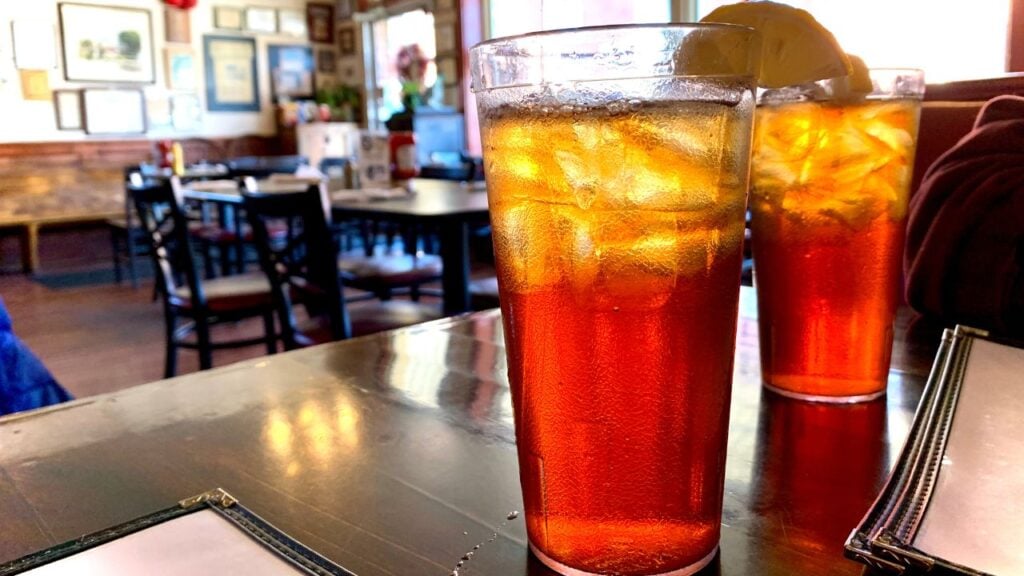
Sweet tea has an unwritten rulebook at an Alabama cookout, and newcomers tend to break it before they even reach the pitcher.
Your grandmother's version probably never came from a store-bought jug, and she'd have opinions about the jugs that do.
8 Sweet Tea Rules Out-of-Staters Break at Every Alabama Cookout
