
7 Living Arrangements Older Californians Choose Instead of a Nursing Home

A semi-private room in a California nursing home runs a median $146,000 a year, according to the CareScout Cost of Care Survey.
Almost nobody budgets for that.
These are the living arrangements older Californians choose instead of a nursing home.
Note: This is general information, not financial, legal, or medical advice. Program rules, income limits, and costs are subject to change.
1. Paid In-Home Care
Paid in-home care keeps an older Californian in the house.
The staffing model behind it decides who lives there day to day.
An hourly aide comes for a set shift, handles bathing, meals, and medication reminders, then goes home.
Once that shift ends, the person stays in the house alone, including overnight.
Many families are drawn to that model by the savings first.
That $146,000 median is the number in-home care gets measured against.
The same survey prices a full-time, non-medical home care aide in California at $91,520 a year, based on 44 hours of care a week.
Forty-four hours covers a work week.
It leaves the other 124 hours in that same week uncovered unless family steps in.
Who’s in the house at 2 a.m.?
A live-in caregiver changes that answer by moving into the home instead of commuting to it, trading a private room and board for around-the-clock presence.
That trade costs more than a set-hours schedule.
It means somebody is always there instead of nobody.
Family members still cover the hours neither model pays for, which keeps the bill down but doesn’t make the work free.
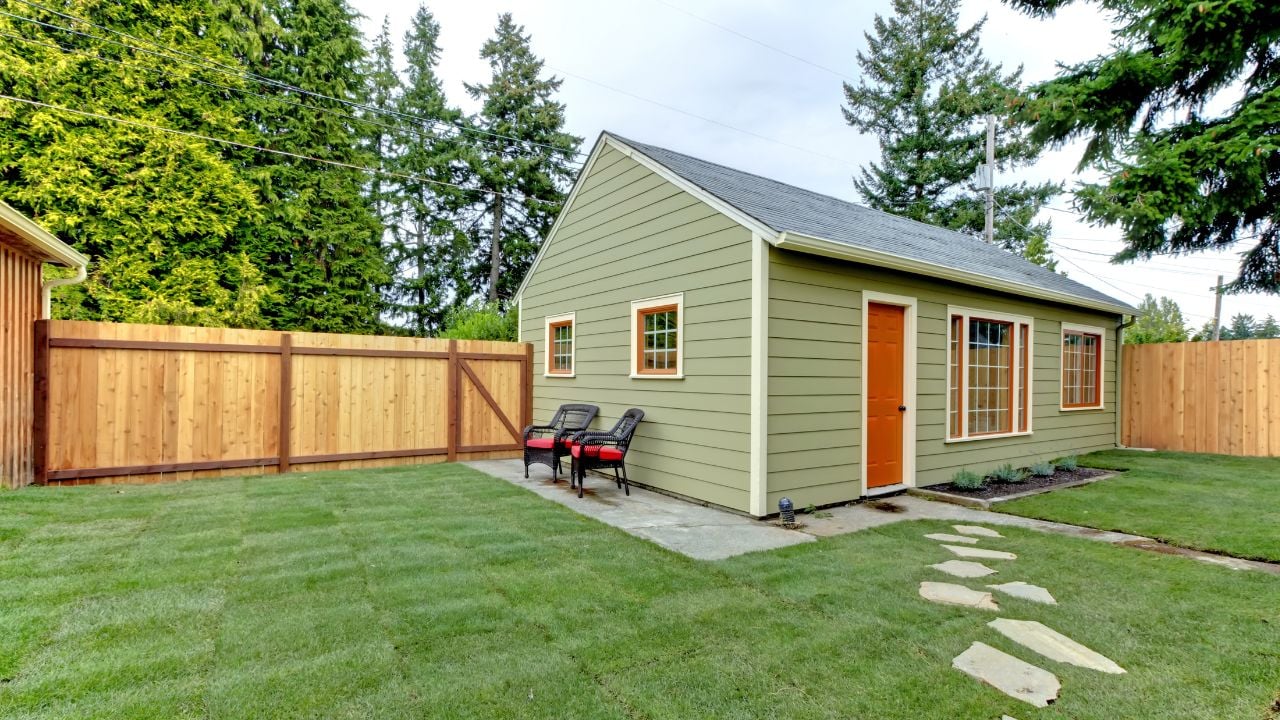
2. ADU in the Backyard
California forces cities to move fast on accessory dwelling unit permits.
That speed is exactly why many families now treat a backyard unit as a serious option for an aging parent.
An ADU, or accessory dwelling unit, turns a garage or a corner of the yard into a small, separate home complete with a door, kitchen, and bathroom.
State law requires a city to approve or deny a complete ADU application within 60 days, and a city that misses that window has to approve the project anyway.
That’s the whole point.
Building an ADU still isn’t cheap.
A 2020 University of California, Berkeley Terner Center study found ADUs average $167,000 to build statewide.
Los Angeles-area projects average closer to $148,000, while small Bay Area units run as high as $400,000, depending on size and region.
Many families who build an ADU aren’t planning to rent it to a stranger.
They want a parent close enough to check on, but still keeping a door that locks from the inside.
3. Board and Care Home
A board and care home is a licensed house with six beds or fewer, run more like a household than a facility, with a caregiver on-site around the clock.
California licenses these the same way it licenses a large senior community, as a Residential Care Facility for the Elderly, though the setting looks nothing alike.
For a lower-income resident, the state pays a licensed board and care home a combined SSI/SSP rate, short for Supplemental Security Income and its State Supplementary Payment.
That rate is $1,626.07 a month as of January 2026, covering room, board, and daily supervision.
Barely enough for more than the basics.
Families paying privately see higher numbers, though a board and care home still tends to cost less than a larger community with a dining room and a packed activities calendar.
4. Assisted Living Community
Medication reminders, meals, and a bathing aide down the hall come standard at an assisted living community, priced well under what a nursing home charges.
An older Californian gets an apartment or a private room inside a larger building, with staff nearby instead of down the street.
CareScout puts the median California assisted living community at $82,800 a year, about $6,900 a month.
That’s down 6% from the year before, even as nursing home and home care costs both rose.
It’s still a serious bill.
Built-in supervision without full nursing care is what that bill buys, close to the gap between living alone and a nursing home.
Psst! Wondering how a monthly bill like this fits your savings? Run the numbers with our calculator and see how long they might last.
5. Continuing Care Retirement Community
A continuing care retirement community, sometimes called a Life Plan Community, lets an older Californian move in while still independent.
If health declines later, that same community provides the assisted living and skilled nursing care itself, usually within one location, according to California Advocates for Nursing Home Reform.
No separate nursing home, no new address.
The level of care changes around the resident instead.
California’s Department of Social Services oversees these continuing-care contracts because the commitment can run for the rest of a resident’s life.
Entrance fees in California range from about $100,000 to well over a million dollars.
A monthly fee continues on top of that, for as long as someone lives there.
Some of these contracts price that risk in from day one, so a resident who outlives their money can still keep their place.
6. PACE Care Team at Home
PACE, the Program of All-Inclusive Care for the Elderly, rebuilds a nursing home’s daily structure around someone’s house instead of moving them into a facility.
A PACE participant still sleeps in the same house every night.
Several days a week, though, a van carries them to the PACE center, where a doctor, a physical therapist, and a hot meal wait in the same building.
In-home aides fill the days between center visits, helping with bathing, dressing, and getting to an outside appointment.
That center-and-house rhythm is what keeps a nursing-home-level diagnosis from turning into a nursing home stay.
California limits PACE to residents 55 or older who are certified at a nursing home level of care and still able to live safely at home when they enroll.
A Californian on Medi-Cal gets that whole structure at no added cost, while someone with Medicare but no Medi-Cal pays a private monthly premium for the same center-and-house setup.
What California’s Medi-Cal Asset Limit Is
Many people assume Medi-Cal in California means selling off almost everything you own first.
That’s not the current rule.
California reinstated a Medi-Cal asset limit on January 1, 2026.
That limit sits at $130,000 for a single applicant.
The home someone lives in doesn’t count against that limit.
A couple applying together gets a higher combined limit.
Only a second home or savings above that line come into play.
7. Home Sharing
Home sharing puts a renter or helper into a spare bedroom.
In exchange, an older Californian gets rent money, company, and sometimes help with errands or cooking for a room that would otherwise sit empty.
Affordable Living for the Aging runs one of the state’s oldest matching programs, screening and pairing homeowners with renters across Los Angeles County.
Rent through that program runs $800-$1,000 a month for a straightforward financial match, less when the renter trades chores or transportation for a lower rate.
Matches last an average of two and a half years, and the program’s longest pairing has run twelve.
That’s not luck.
Similar county-run matching programs exist well beyond Los Angeles, through Area Agencies on Aging that screen home-share pairs the same careful way.
For an older Californian who owns a home outright but lives on a fixed income, that spare bedroom can be the thing that keeps them out of a facility altogether.
9 California Roadside Attractions Worth the Detour

California has well over 1,000 official historical landmarks, and many of them sit on a plain highway shoulder instead of behind museum glass.
Locals know exactly which landmarks are worth the detour, starting with a hillside near the Salton Sea that many road-trippers speed right past.
9 California Roadside Attractions Worth the Detour, According to Locals
9 California Neighborhood HOA Fines Homeowners Never See Coming
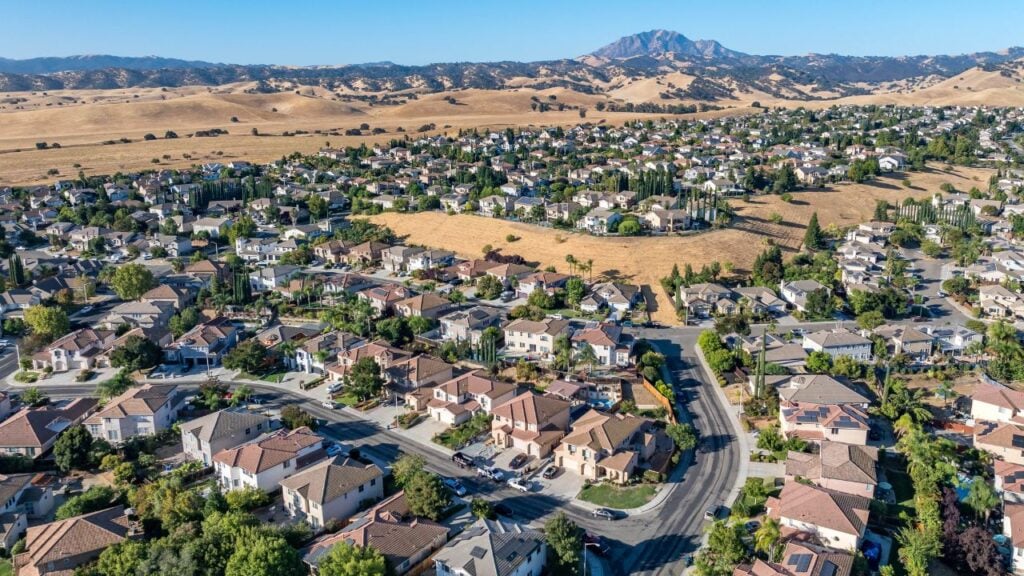
California capped standard homeowner association (HOA) fines at $100 in the summer of 2025, which sounds like solid protection for homeowners.
It is, until a slow-to-fix violation multiplies that $100 charge day after day and turns one small mistake into a bill nobody saw coming.
9 California Neighborhood HOA Fines Homeowners Never See Coming
