
7 Michigan State Park Rules Visitors Get Fined for Every Winter

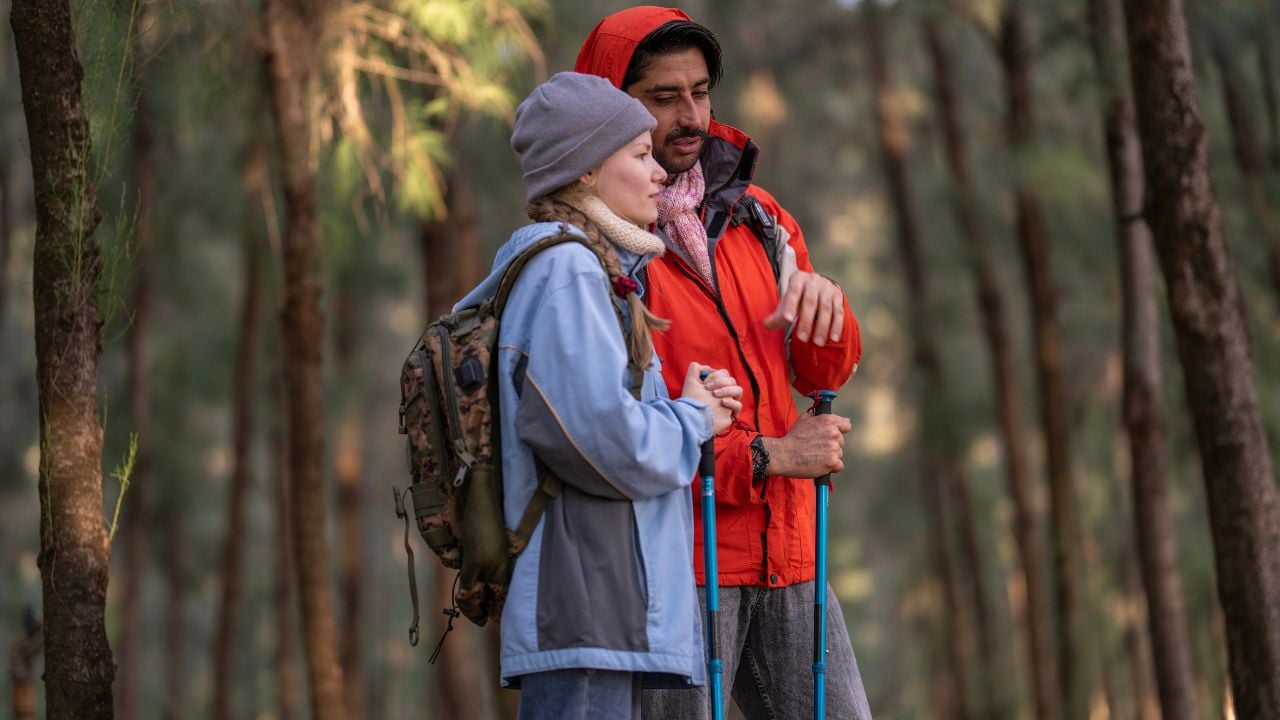
You’re out on a snowshoe trail as the sun goes down, and you lose track of the time.
That’s an issue because Michigan state parks keep hours, even in the winter.
Here are the Michigan state park rules visitors get fined for every winter.
Note: This is general information, not legal advice. Park rules and fine amounts are subject to change, so confirm the current requirements with the Michigan Department of Natural Resources (DNR).
1. No Recreation Passport
The Recreation Passport is the vehicle entry fee for Michigan’s state parks.
You have to pay it before your vehicle enters a state park.
It’s a year-round pass, so a winter visit needs it too.
Snowmobiles are exempt, but a vehicle trailering one still needs a passport to enter or park.
The passport applies at state-designated trailhead parking too, so the lot where your winter hike starts may count.
If you haven’t paid, Michigan law makes that a state civil infraction, with a fine of up to $100.
What a Michigan Recreation Passport Costs in 2026
Michigan’s Recreation Passport costs $15 a year for a resident vehicle when you add it to a license plate renewal.
A nonresident annual passport costs $42.
A nonresident daily passport costs $12 for entry and re-entry to any state park that day.
A nonresident annual passport is good through December 31 of the year you buy it.
Entering on foot or on a nonmotorized bicycle doesn’t require one.
National parks in Michigan and county, township and other municipal parks don’t take it.
2. Leashes Longer Than Six Feet
A Michigan state park leash can’t be longer than 6 feet.
The DNR repeats that limit for ski trails.
The limit applies even when your dog is in the water.
Dogs aren’t allowed at designated swim beaches, in endangered species habitat or in other posted areas.
Dogs can’t come into an enclosed park building either, except for certain service animals.
Leaving your dog unattended in the car while you ski breaks the rules, too.
A loose dog, or one creating a nuisance, may be removed from the park.
A court can order a civil fine of up to $500 if you break any of these rules.
3. Fat-Tire Bikes off Signed Trails
A fat-tire bike counts as a bicycle at a Michigan state park, so it follows the same trail rule.
Michigan’s rule limits you to a pathway, a road, a parking lot or a designated, signed bicycle trail.
Riding anywhere else is a state civil infraction, and the fine can reach $500.
Silver Lake State Park, for example, runs its fat-tire season from December 15 to March 15, from 8 a.m. to dusk.
E-bikes aren’t allowed there during that season, so you’ll need a regular fat-tire bike.
The DNR’s fat-tire biking page says warmer weather can quickly turn a trail to mud and damage its base, so stay off trails when it’s over 30 degrees.
Fat tires should be at least 3.7 inches wide and inflated to no more than 4 psi.
4. Campfires Outside the Fire Ring
Build a campfire outside a designated spot, and a court can order you to pay a civil fine of up to $500.
A state park lets you build a campfire only in a designated place.
That means a designated fire ring, and you can’t leave the fire unattended.
The rule reaches pathway trailheads too, so a warming fire at a trailhead or on a frozen shoreline needs a designated spot as well.
Burning your garbage in the ring is against the rules, too.
Psst! How much do you know about Michigan’s outdoors? Take our quiz and see if you can ace it.
Quiz
Michigan Outdoors Quiz
Answer these questions on Michigan’s parks, shorelines and wild places. We bet you can’t get them all right. Prove us wrong?
Isle Royale National Park shuts down to visitors for the winter. Through which date is it closed each year?
5. Fish Shanties Left Past 24 Hours
At a Michigan state park, state land rules cap a fish shanty's stay at 24 hours.
The same cap covers a watercraft or any other property you leave behind.
Go over, and a court can order you to pay a civil fine of up to $500.
A lawfully occupied, designated campsite is exempt.
6. Overstaying Day-Use Hours
Michigan state park day-use areas are open 8 a.m. to 10 p.m. daily.
You can't stay in one between 10 p.m. and 8 a.m. unless the park posts otherwise, even if a snowshoe outing runs long.
Overstaying can cost you a civil fine of up to $500.
In a campground, only registered campers can stay between those hours.
7. Gathering Downed Wood
The branches and fallen logs near a state park campsite aren't free kindling.
At a Michigan state park, the same state land rules bar you from removing a tree, including a dead and downed one, and woody debris counts too.
Carry the wood off anyway, and a court can order you to pay a civil fine of up to $500.
Most state park campgrounds sell certified, heat-treated firewood on the premises.
Sharing Winter Trails
In winter, many of the DNR's cross-country ski trails are also open to snowshoeing, dog sledding and fat-tire biking.
If you're snowshoeing a groomed trail, stay on the side and off the track.
The DNR's trail etiquette says downhill skiers always have the right of way.
If faster skiers come up behind you, step off the track to let them pass.
Dogs can pack down a groomed trail, so the DNR points dog owners to trails with no set track.
Psst! How ready is your next winter park trip? Run through this checklist and see where you stand.
What a Citation Can Cost
Breaking a state park rule can cost you more than the fine.
A violation can get you evicted from a state park for at least 48 hours, or for a period a court sets.
The eviction can cover a recreation area, access site, game or wildlife area, designated campground or other state-owned land too.
In a passport case, the license plate on a car parked in a state park counts as evidence that its owner parked it.
Vandalism costs more.
If you're convicted of vandalizing state park equipment, facilities or resources, you have to reimburse the DNR up to three times the damage.
8 Driving Mistakes That Turn Michigan's Deer Season Into an Insurance Claim
Many deer crashes trace back to a bad habit behind the wheel, not bad luck.
These are the driving habits that can turn deer season into an insurance claim.
8 Driving Mistakes That Turn Michigan's Deer Season Into an Insurance Claim
10 Ways One Side of Michigan Feels Like a Different State From the Other
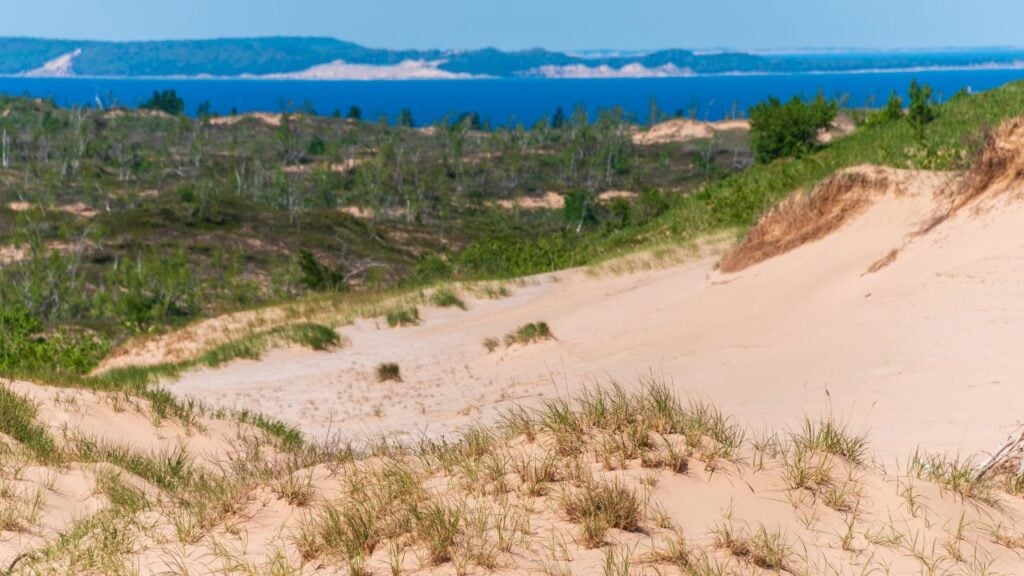
Michigan's two halves can feel like different states.
The gap shows up in almost everything else, from the clocks to the snow.
10 Ways One Side of Michigan Feels Like a Different State From the Other
