
7 Pennsylvania Towns Where Your Retirement Dollar Goes Furthest

Somewhere in Pennsylvania, a retiree just paid cash for a house and still had savings left over.
That sounds impossible if you’ve been house-hunting in Florida or Arizona lately.
But a few corners of the Keystone State let a retirement income go a remarkably long way.
Note: This is general information, not financial or tax advice. Home prices and tax rules change and vary by county, so confirm the details with a professional before acting.
1. Erie
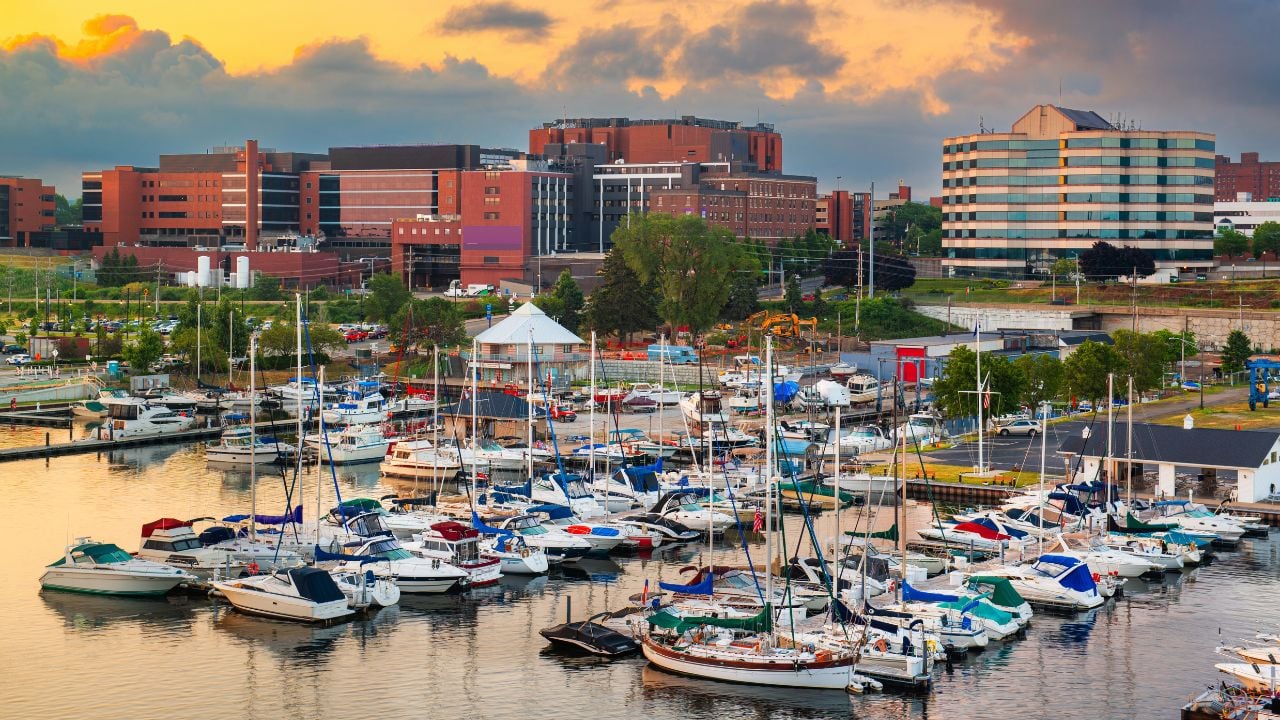
Erie sits right on its namesake Great Lake, which means cool breezes in summer and, yes, a wall of snow come winter.
A typical home runs around $145,000, and the overall cost of living lands well under the national average.
Presque Isle State Park hands you 13 miles of free beaches, trails, and sunsets over the water.
Hospitals, an airport, and a walkable bayfront keep daily life convenient.
Lake-effect winters are the price of admission, but summers on the water are the payoff.
For a lakefront retirement, the price is tough to beat.
2. Scranton
Scranton, the Electric City, packs big-town amenities into a small-city budget.
Median home prices hover near $175,000, with a cost of living noticeably below the national mark.
You get solid hospitals, Steamtown’s railroad history, and a downtown that’s found a second wind.
Yes, it’s the home of TV’s Dunder Mifflin, and locals happily lean into the joke.
The Poconos sit a short drive east when you want the woods.
A two-hour drive lands you in New York City or Philadelphia when the grandkids call.
3. Johnstown
If a paid-off house is the goal, Johnstown makes it look easy.
Median home prices here run shockingly low, often under $80,000 and sometimes far less.
The town climbs steep hillsides above the Conemaugh River, with the historic Inclined Plane hauling folks up the slope.
It’s a tucked-away valley with deep history and a cost of living to match.
Your savings simply stretch further when the mortgage is this small.
In a town this size, the rest of your monthly bills tend to stay small too.
4. Bradford
Bradford may be the most affordable town in the whole state.
The cost of living runs about 16% below Pennsylvania’s average, and homes often list around $70,000.
It sits at the edge of the Allegheny National Forest, so trails, trout streams, and fall color wait out the back door.
This is true small-town living, with the trade-off of long winters and a long drive to any big city.
For nature-minded retirees on a budget, that trade often pencils out.
Fun footnote: Zippo lighters have been made in Bradford since the 1930s, and the factory still anchors the town.
5. Altoona
Altoona grew up on the railroad, and trains still run through its heart.
The famous Horseshoe Curve pulls in rail fans from around the world to watch freight bend around the mountain.
Homes stay affordable, and Blair County keeps everyday costs low.
Lakemont Park, with one of the oldest wooden roller coasters in the country, adds a dose of nostalgia.
It’s an unfussy, budget-friendly base in the Allegheny ridges.
Pittsburgh is about 90 minutes west when you want a city day.
6. Pottsville
Pottsville pours a piece of American history every single day.
It’s home to D.G. Yuengling & Son, the oldest operating brewery in the country, founded back in 1829.
Housing ranks among the cheapest in Pennsylvania, well below the state average.
The Schuylkill County seat keeps a tidy downtown tucked into the coal-country hills.
Novelist John O’Hara grew up here and spent a career writing about a town just like it.
Tour the brewery, then settle into a town where the dollar stretches.
7. Oil City
Oil City booms a little differently these days.
The town that helped launch the oil industry now offers riverfront living at small-town prices along the Allegheny.
An artist-relocation push has even drawn newcomers into cheap historic buildings downtown.
Healthcare, shopping, and the river all sit close at hand.
It’s a low-cost landing spot with more character than the price tag lets on.
Pittsburgh sits about two hours south when you need a major airport or a specialist.
The Tax Break That Seals It
Pennsylvania does something many states don’t: it leaves retirement income alone.
The state doesn’t tax Social Security, and for retirees 60 and up, it doesn’t tax pensions, 401(k)s, or IRA withdrawals either.
That can save a retiree thousands a year compared to a higher-tax state nearby.
One catch: Pennsylvania’s property taxes run higher than the national average, so check the local rate before you buy.
The state’s Property Tax and Rent Rebate program can take some of that sting out for older homeowners.
A Few Trade-Offs to Weigh
None of this comes free of compromise.
Winters in Pennsylvania run long and gray, and snow removal becomes a real line item.
Specialized medical care can mean a drive to Pittsburgh, Erie, or Philadelphia.
And smaller towns mean fewer direct flights and a longer haul to a major airport.
Weigh those against the savings, because for plenty of retirees, the numbers still come out ahead.
Also, run your own numbers before you fall for a town. A paid-off house in Johnstown and a Lake Erie condo carry very different monthly math.
But in a state that skips the tax on your pension and your Social Security check, even a small Pennsylvania town can leave more in your account at month’s end.
8 Hidden Costs Pushing Florida Retirees to Cheaper States

For decades, the deal was simple: no income tax and cheap living, in exchange for Florida humidity.
Lately, the math has stopped working.
Home insurance alone can run five figures now, and retirees are eyeing cheaper states.
8 Hidden Costs Pushing Florida Retirees to Cheaper States
12 Things That Shock Northerners Who Retire in North Carolina
You spent decades up North shoveling snow and bracing for high tax bills.
Then you retired and pointed your car toward North Carolina.
Plenty of retirees love the move. An equal number get a few surprises.
12 Things That Shock Northerners Who Retire in North Carolina
