
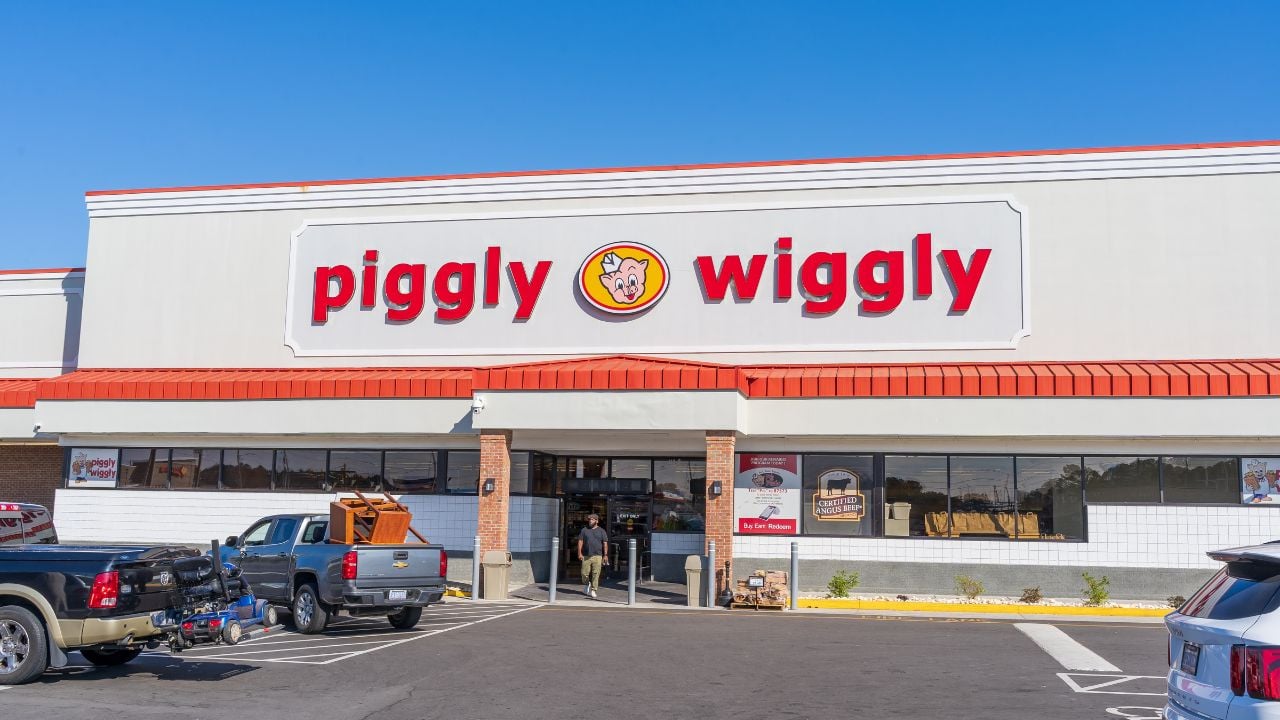
7 Piggly Wiggly Mistakes South Carolina Shoppers Make Every Trip

Been shopping the Pig since before your kids could walk?
Loyalty like that deserves better than paying full price.
A few small habits stand between longtime South Carolina shoppers and the deals already sitting in their store.
These are the Piggly Wiggly mistakes many South Carolinians make.
1. Assuming Every Pig Runs the Same Deals
Every Piggly Wiggly is independently owned, and each owner sets their own prices, policies, and hours.
The Pig in Moncks Corner and the Pig in Summerville can charge two different prices for the same loaf of Sunbeam.
Chains train shoppers to expect sameness.
The Pig never promised that.
Learn your store’s quirks the way you’d learn a farm stand’s, because that’s closer to what a Pig is.
The brand itself belongs to C&S Wholesale Grocers, which supplies the shelves and licenses the name to more than 500 stores in about 18 states.
Everything past the sign belongs to your neighbor who owns the place.
2. Checking the Wrong Weekly Ad
Every Piggly Wiggly publishes its own weekly ad, so the deals on your neighbor’s kitchen table may not exist at your Pig.
Pull up your exact store on the Pig’s website and read that ad, not the one from the store across the county.
Sale days shift by location, too.
Two minutes on the right page beats twenty in the aisles wondering where the deal went.
Write the grocery list from your store’s ad, and the butcher counter specials below get a lot easier to catch.
3. Skipping the Butcher Counter
Piggly Wiggly stores keep trained butchers on staff, cutting and packing meat in-store and grinding beef fresh daily.
Custom cuts cost nothing extra. You just have to ask.
Some South Carolina locations even make their own sausage in the back.
Regulars at many locations swear the Pig’s Certified Angus Beef costs less than the fancy chains charge for the same cut.
Grab the pre-packaged tray and roll on, and you’ve walked past the best counter in the building.
4. Shopping Without Pig Point$
The Pig’s loyalty program asks for a phone number, not a card.
Enroll at the checkout terminal, and 100 points turns into a dollar off, 500 into $5, and 1,000 into $10.
Digital coupons clip to the same account.
One caveat before you count on it: The program runs at most stores, not all of them, so ask at your Pig first.
Completing your profile earns 200 bonus points before you’ve bought a thing.
Psst! How much do you know about where grocery shopping began? Take our quiz and see if you get stumped.
Quiz
Grocery History IQ
Answer these questions on the wild history of grocery stores. We bet you can’t get them all right. Prove us wrong?
5. Letting Points Expire
Pig Point$ expire 90 days after you earn them.
Sit on a stash all summer, and by fall, the balance reads zero.
Alcohol, tobacco, gift cards, and prescriptions never earn points, so your balance grows slower than you'd guess if you buy those items often.
Cash points in on a schedule so they never go to waste.
6. Still Waiting on Greenbax
For decades, South Carolina shoppers pasted Greenbax stamps into booklets, the Lowcountry's answer to S&H Green Stamps.
Greenbax launched in the 1950s as a sister company of Charleston's Piggly Wiggly Carolina, and generations traded full booklets for lamps, luggage, and Christmas money.
Later, the stamps went electronic on a plastic card, which is how many shoppers still remember them.
The program started fading with the 2013 Charleston store sale, when stores stopped issuing the stamps.
Greenbax are gone for good.
The mistake is nostalgia with a price tag: Waiting on a comeback instead of banking the Pig Point$ sitting right there at the register.
7. Thinking the Pig Left South Carolina
When Bi-Lo and Harris Teeter bought 29 Charleston-area stores in 2013, plenty of locals wrote the Pig's obituary.
Wrong.
About four dozen Piggly Wiggly stores still run across South Carolina, from Surfside Beach to Ninety Six.
And independent owners keep adding more, picking up stores across the state and coastal Georgia.
Hilton Head's Coligny Plaza location still anchors its corner of the island, and the Pee Dee keeps stores in Florence, Darlington, and Hartsville.
In its Charleston heyday, Piggly Wiggly Carolina ran more than 100 stores and belonged entirely to its employees.
The Pig went local instead of going away.
Where Self-Service Began
Piggly Wiggly opened in Memphis in 1916 as the first true self-service grocery store in America.
Before that, a clerk fetched every can while you waited at a counter.
Founder Clarence Saunders handed shoppers their own baskets, and the modern supermarket was born on Jefferson Avenue.
Every grocery store you've ever pushed a cart through copies an idea a Memphis grocer had 110 years ago.
The chain that started it all still sells collard greens down the street, under a smiling pig in a butcher's hat.
7 Hidden Costs Catching South Carolina Retirees Off Guard

No tax on Social Security, mild winters, and a beach or a mountain within a couple of hours makes South Carolina a dream destination for many retirees.
Then the first tax bill for the car shows up, and the new South Carolinian squints at it like it's written in another language.
7 Hidden Costs Catching South Carolina Retirees Off Guard
Does Publix Have a Senior Discount? What Shoppers 60+ Get in 2026

Grocery senior discounts are rarer than they used to be, and the biggest chain in the Southeast gets asked about them the most.
The answer has a twist, including the handful of stores that still knock 5% off.
Does Publix Have a Senior Discount? What Shoppers 60+ Get in 2026
