

7 Publix BOGO Traps That Cost Florida Seniors More Than They Save

Fourteen yogurts, two jars of the same pasta sauce, and a second loaf of bread nobody asked for.
That’s what a Publix BOGO week can do to a kitchen that cooks for two.
These are the Publix BOGO traps that cost Florida seniors more than they save.
1. Taking Home Only One
In Florida, a Publix buy-one-get-one (BOGO) deal isn’t half off a single item.
You have to buy two items to get the deal, or the register charges full price for the single.
Shoppers in parts of Georgia and the Carolinas get the half-price version, and plenty of Floridians assume the same rule follows them home.
It doesn’t.
So a $7 package of BOGO chicken thighs rings up at $7, not $3.50, when you only put one package into your cart.
For a one-person household, that’s the whole trap in a sentence: The deal only exists in pairs.
2. Assuming BOGO Beats Every Price
A BOGO sign isn’t a price check.
When a Palm Beach County newsroom priced items across 19 South Florida stores last fall, Kellogg’s Corn Flakes on a Publix BOGO still worked out to $4.12 a box, more than the $3.71 Publix charges for its own cornflakes every day.
The same Stet News price check filled a 30-item cart for $63.15 at Aldi, $76.65 at Walmart, and $109.62 at Publix.
Plenty of BOGOs beat everybody, and plenty don’t.
Know your everyday prices, and decide with a calculator, not the sign.
Psst! Is that BOGO the better buy? Type in two prices and sizes and see which wins.
3. Doubling Up on Perishables
Two bags of BOGO salad is a bargain on paper and a science experiment by Friday.
Americans already send 30 to 40% of our food supply to waste, per the U.S. Department of Agriculture (USDA).
And supermarket promotions push in the wrong direction.
A 2025 field experiment across eight supermarkets found that multi-unit deals pushed shoppers to buy 19.5% more than the same discount priced per item, and more of that food went to waste at home.
A household of two can’t eat its way through a deal sized for six.
Split the pair with a neighbor, or freeze the second package the day it comes home.
4. Stockpiling Deals You Never Wanted
The sneakier finding inside that same study: Shoppers grab items that were never on the list because a free second package feels like a reward.
The BOGO section of the weekly ad is built to introduce you to products, not to restock your staples.
If the item never makes your list at full price, two of it won’t save you anything.
Open your pantry and count the marinades and crackers you bought on sale and never touched.
That’s money spent on nothing.
5. Expecting the Deal to Repeat
BOGO lists change when the weekly ad flips, on Wednesday in some parts of Florida and Thursday in others.
Skip the coffee this week because you’ll grab it next week, and next week the deal is gone.
The reverse trap costs more: Panic-buying four of everything because the ad ends tonight.
Popular BOGOs sometimes sell out before the ad ends, and rain checks exist for exactly that moment.
Buy for the week you’re living, not the month you’re imagining.
6. Misreading Rain Checks
Rain checks at Publix still exist, whatever the rumor mill says.
But the rules tightened years ago, and they catch shoppers who remember the old days.
You get one rain check per household per day, it’s good for 30 days, and it only covers deals advertised in the weekly ad, never unadvertised in-store markdowns.
The price you lock is the price from the day the rain check was written, and the limit runs eight single items or four BOGO deals.
Alcohol never qualifies.
Ask for the rain check on the same trip you find the empty shelf, and read the fine print before you leave the counter.
Psst! You know your way around a BOGO, but how well do you know Publix itself? Take our quiz and see if you get stumped.
Quiz
Publix Pop Quiz
Answer these questions on Publix history and grocery trivia. We bet you can’t get them all right. Prove us wrong?
7. Skipping the Unit Price Math
Florida doesn't require stores to post unit prices on the shelf tag.
Only 10 jurisdictions in the country make unit pricing mandatory, and the Sunshine State isn't on the list.
So the per-ounce math at your Publix is voluntary, and nobody at the register does it for you.
That's how a BOGO on the small size loses to a cheaper large size, week after week.
Bring the reading glasses and the phone calculator.
Divide the price by the ounces before the cart moves. Ten seconds of arithmetic beats any sign in the store.
A $4.99 package can work out to twelve dollars a pound, and the only shoppers who notice are the shoppers who divide.
Grocery Bills Keep Rising
Grocery prices rose 2.7% in the year ending May 2026, per the Bureau of Labor Statistics (BLS).
That's less than the worst of the pandemic years, though you'll be hard-pressed to find a Floridian who's noticed the relief.
The 2026 Social Security cost-of-living adjustment came in at 2.8%, barely ahead of grocery inflation.
That raise brings the average retiree check to about $2,071 a month, roughly $56 more than the year before.
Two careless BOGO doubles and an unread rain check can spend that $56 by the second Tuesday of the month.
12 Publix Hacks Floridians Wish They'd Started Sooner
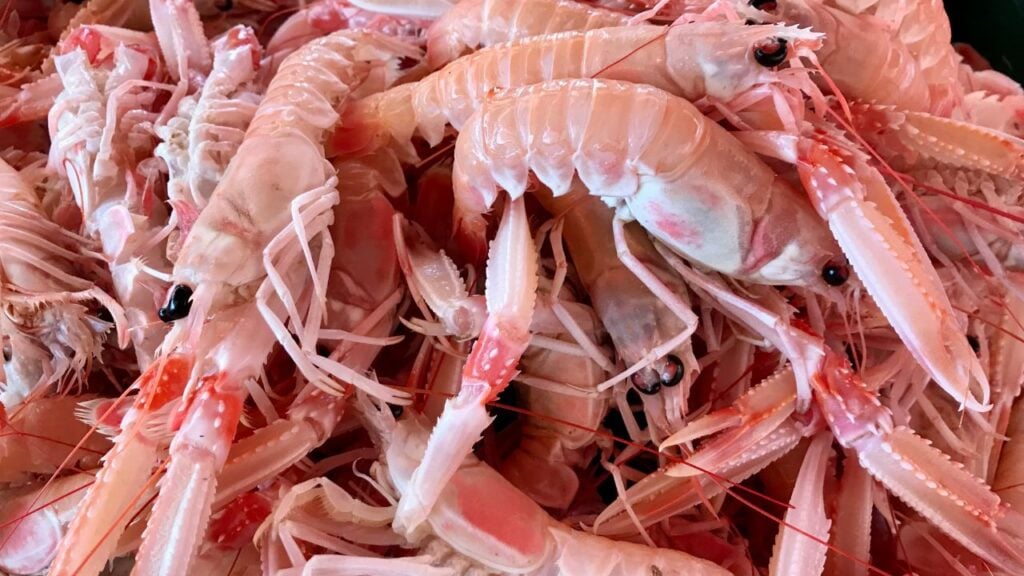
One overheard tip at the deli counter can change a whole shopping routine.
These are the Publix habits Floridians wish somebody had shared with them years earlier.
12 Publix Hacks That Make Floridians Wonder Why They Didn’t Start Doing Them Sooner
9 Publix Bakery Items Floridians Buy on Repeat
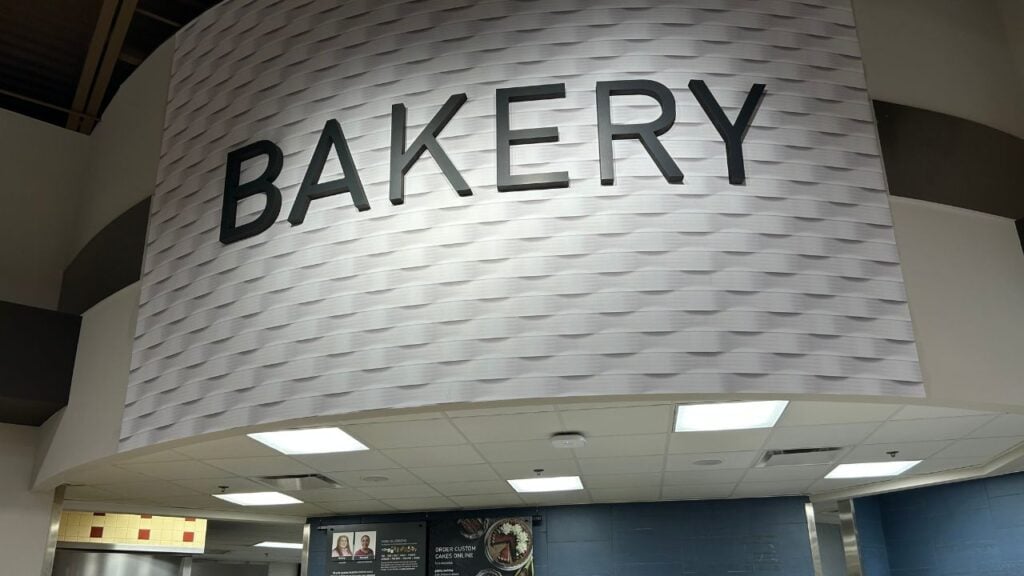
Publix's bakery smell hits the moment you walk through the door, and hands start reaching for boxes nobody planned to buy.
These are the Publix bakery items that ride Florida conveyor belts on repeat.
