
7 Reasons a Wisconsin Farm Stand Gets Shut Down

Bayfield’s tourism office says this weekend marks the 64th annual Bayfield Apple Festival, and roadside stands across Wisconsin are stacking bushel baskets for the rush.
But not every stand is legal.
These are the reasons a Wisconsin farm stand gets shut down.
Note: This is general information, not legal or tax advice. Farm stand licensing, zoning, and tax rules vary by Wisconsin county and municipality and are subject to change.
1. No License for the Table
A Wisconsin farm stand selling nothing but whole apples, tomatoes, or a bag of sweet corn needs no state food license at all.
That’s the easy part.
The exemption ends the moment a stand starts cutting, mixing, or heating anything.
Slice a melon into cups, pre-mix a fruit salad, or set out a warm crockpot of apple butter for sampling.
Wisconsin’s retail food rule now requires a license that many stands never bother to get.
County health inspectors do check, especially after a complaint.
A stand caught selling food it isn’t licensed for can be ordered to stop selling on the spot.
2. Uncertified Scales
Every scale a farm stand uses to weigh tomatoes, peppers, or green beans has to meet the same accuracy standard as the scale at a grocery store checkout.
No exceptions.
State law lets a weights-and-measures inspector walk up to any stand and weigh a sample against the scale’s reading.
Inspectors reject a failing scale on the spot.
Scales built after 1986 need an accuracy mark.
Scales built after 1997 need a separate national approval stamp on top of it.
A seller caught using an incorrect scale can be fined $100 to $500 for a first offense, with steeper penalties for a repeat one.
The fine can land whether or not a single customer buys anything that day.
3. Canned Goods at the Curb
A Wisconsin farm stand can sell homemade jam, salsa, or pickled beans without any state license, but only under a narrow exemption many sellers get wrong.
The mistake is the address.
Wisconsin’s home-canning exemption, often called the Pickle Bill, covers jars sold at a farmers market or a community event.
It doesn’t cover jars sold from a table beside the road.
Sellers also have to stay under $5,000 a year in canned-goods sales to skip the license at all.
Cross either line, and the jam needs a food license.
A county sanitarian who spots home-canned jars at an actual roadside stand, rather than a market booth, can require the seller to pull them from the table.
The Math on the $5,000 Cap
Wisconsin’s $5,000 canning cap is based on gross sales, not profit, and it resets every calendar year.
At $7 a jar, that ceiling works out to a little more than 700 jars sold in a season.
That’s roughly 27 jars a week across a typical Wisconsin growing stretch from May through October.
4. Too Many Hens
A Wisconsin farm stand selling eggs from a flock of 150 hens or fewer can sell them straight to customers with no state food license.
One hen over that line changes everything.
A bigger flock needs a food processing plant license, the same one a commercial egg packer carries.
No wiggle room.
The Wisconsin Department of Agriculture, Trade and Consumer Protection (DATCP) can order egg sales stopped until the seller gets one.
The eggs still need a label with the seller’s name, address, and a pack date, since the small-flock exemption skips grading and candling, not paperwork.
Skip the label, and the same shutdown risk applies.
5. Raw Milk on the Table
A farm stand can draw a citation over a single jug of raw milk sitting on the table.
Wisconsin bans the sale of unpasteurized milk to the public in nearly every case.
The one exception is an incidental sale made directly at the dairy farm where the milk came from, with no advertising and no regular business built around it.
A roadside table fails that test.
Simple as that.
It’s built to attract passing traffic, which is the opposite of incidental.
A jug sold there can draw a citation even when every other product on the table is legal.
6. No Town Permit
A Wisconsin farm stand also answers to whoever runs the town it sits in, and that layer of rules has nothing to do with DATCP.
Elkhorn is a plain example.
The city requires anyone putting up a stand on private property to register it and keep it under 600 square feet.
The stand also has to sit back at least 5 feet from the property line, and only in a few zoning districts.
Elkhorn only allows farm stand sales from April 1 through November 1.
The stand has to come down or move indoors the rest of the year.
Other towns draw the lines differently.
A stand that never checks its municipal code can be ordered closed by the same town that never approved it, long before DATCP ever steps in.
7. No Seller’s Permit
A Wisconsin farm stand selling whole, raw produce doesn’t need to collect sales tax on any of it.
Add something warm, and that changes.
Wisconsin taxes food a seller heats or prepares as prepared food, the same category that covers a kettle of hot cider or a bag of kettle corn popped on-site.
Selling anything in that category without a seller’s permit from the Wisconsin Department of Revenue is a separate violation, apart from every food-safety rule already covered here.
The fines stack from there.
The state can fine a seller, charge interest on unpaid tax, and revoke a seller’s permit for repeat violations.
Psst! How much do you know about Wisconsin farm stand rules? Flip through these cards and see how many you get right.
How a Citation Plays Out
Wisconsin’s farm stand rules aren’t enforced by one office checking everything at once.
Enforcement usually starts with a complaint, not a routine sweep.
That might be a neighbor calling about a stand blocking a sightline, or a shopper asking why a scale looked off.
Warnings usually come first.
A DATCP inspector or a county sanitarian often gives a seller one chance first.
Fix the scale, add the label, or apply for the missing license before anything turns into a citation.
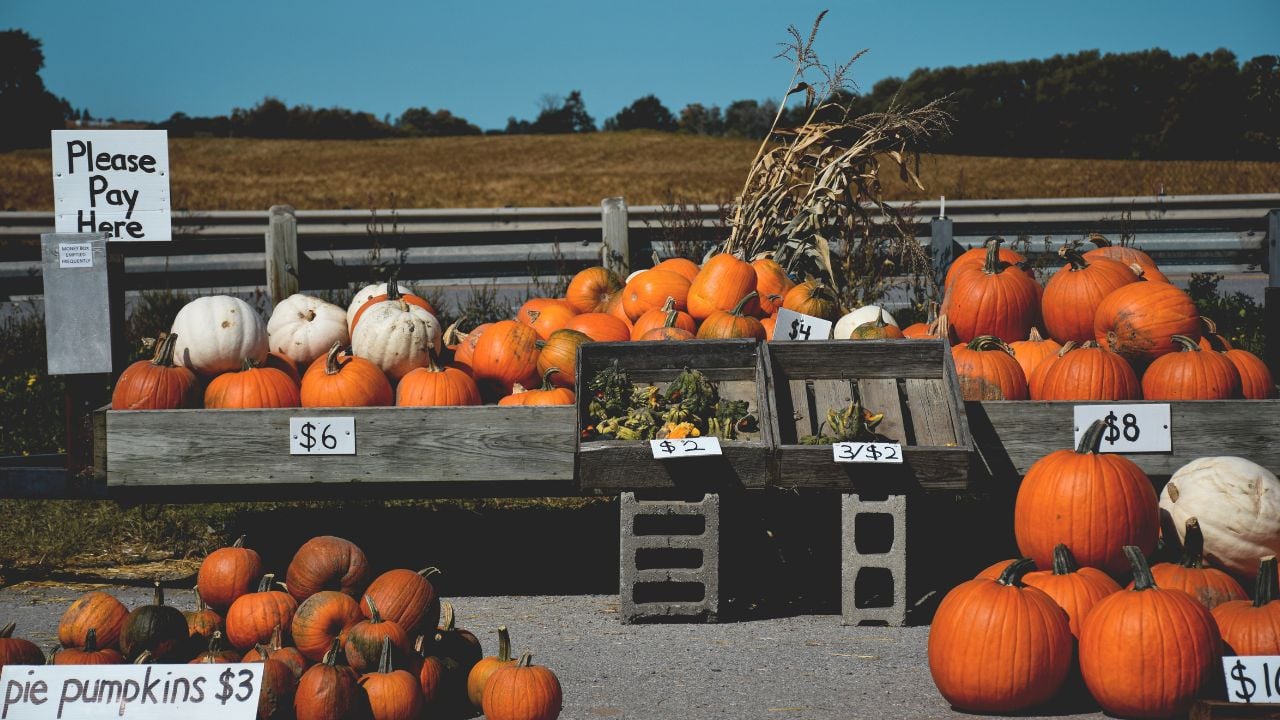
Fall is also when the state’s roadside stands multiply, with pumpkin patches, apple stands, and cider tables popping up around events like the Bayfield Apple Festival.
A repeat violation, or one involving an especially serious health risk, skips the warning and goes straight to a fine or an order to stop selling.
A closed Wisconsin farm stand can reopen once the seller fixes the problem: A recalibrated scale, a corrected label, or a filed permit.
For a repeat offender, though, a county or DATCP can require proof of the fix in writing before the stand goes back up, not just a promise at the roadside.
6 Hy-Vee Pickup and Delivery Charges Wisconsin Shoppers Don’t Expect
A single candy bar tucked into an otherwise tax-exempt Hy-Vee order can change what Wisconsin taxes on the delivery charge sitting right next to it.
Shoppers who order through Hy-Vee’s Aisles Online checkout run into a handful more surprises like it, many of them easy to miss until the total lands.
6 Hy-Vee Pickup and Delivery Charges Wisconsin Shoppers Don’t Expect
8 Habits That Give Wisconsinites Away the Second They Leave the State
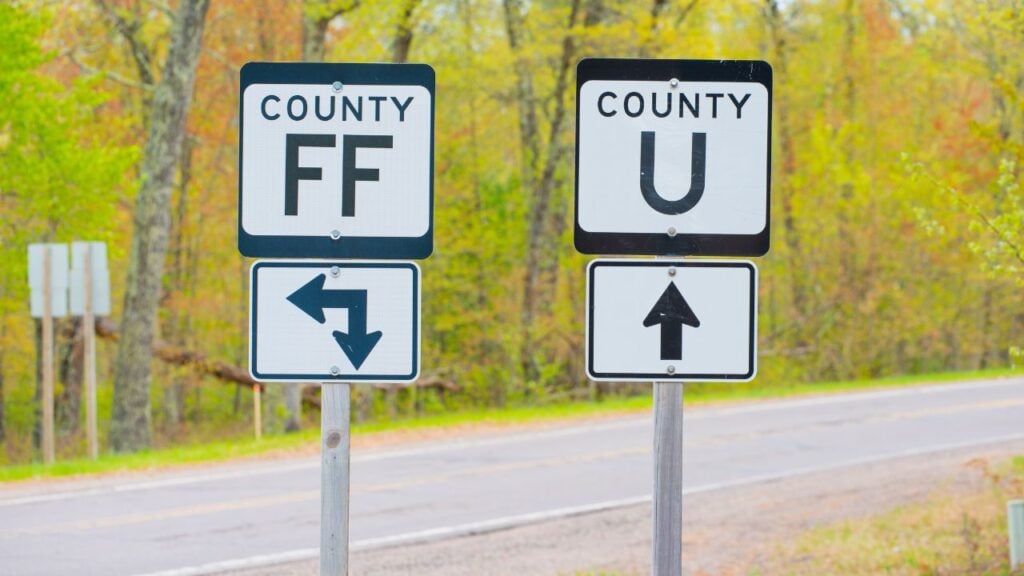
Wisconsinites carry a handful of habits with them long after they cross the state line, whether they mean to or not.
New coworkers and neighbors somewhere else tend to notice before the transplant does, and those habits give them away fast.
8 Habits That Give Wisconsinites Away the Second They Leave the State
