
7 Reasons WinCo Doesn’t Take Credit Cards at Every Idaho Location

Groceries are expensive enough.
WinCo is built around keeping prices low, and skipping credit cards is part of that.
Here’s how that plays out for Idaho shoppers.
1. WinCo’s Thin Margins
WinCo runs on the same slim margins as the rest of the grocery business, and that reality sits behind every reason on this list.
Grocery chains nationally clear net profit margins of only about 1% to 3% on a typical sale.
Pennies matter.
A card fee running above 2% of a sale can erase more profit than the store made on that same item in the first place.
That math doesn’t change from one WinCo register to the next.
WinCo’s habit of taking over empty big-box buildings instead of constructing new stores follows the same discipline, trading a lower overhead bill for a lower price tag.
2. Debit-Credit Fee Gap
The gap between what WinCo pays on a credit swipe and a debit swipe is where this whole policy starts.
Credit card processing costs retailers an average of about 2.24% of every sale nationally, and that rises toward 4% on a rewards card.
Debit is a different story.
Federal rules cap what banks can charge on a debit swipe at 21 cents plus a small percentage.
The average debit fee lands under a dollar, even on a full cart.
That’s a wide gap for WinCo to swallow on every sale.
What a $120 Cart Costs
WinCo’s math starts with the same industry averages every grocery chain faces at checkout.
Credit processing on a $120 cart runs a store anywhere from about $2.70 to $4.80, depending on whether the card earns rewards.
Route that same $120 through a debit card instead, and the federally capped fee comes in well under a dollar.
3. Rate on Every Swipe
Ask WinCo directly, and the company doesn’t dodge the question.
Its customer service page states plainly that it declines credit cards because of the transaction rates tied to processing them.
No hedging.
The same FAQ spells out what it does accept instead: Cash, checks that meet WinCo’s requirements, and personal identification number (PIN) debit cards.
It also takes the federal nutrition program for women, infants, and children (WIC) and electronic benefit transfer (EBT) cards.
Every option on that list settles a sale without a card network taking a cut.
Credit cards are the one common form of payment missing, and WinCo says so itself rather than leaving shoppers to guess.
4. PIN Requirement
WinCo doesn’t just decline credit cards; it’s picky about debit too.
Its FAQ specifies that only a debit card requiring a PIN qualifies at the register, not the signature-based kind some other cards default to.
That’s not a random rule.
Federal Reserve research has found that PIN-verified debit costs merchants less to process than a signature-based swipe.
A credit card, by contrast, almost always runs through the costlier signature-style rails no matter how a shopper swipes it.
Every PIN entered at a WinCo register routes the sale toward the cheaper option, by design.
5. Employee Ownership’s Payoff
WinCo has belonged to its workers since 1985, and that ownership gives the people ringing up every sale a personal reason to keep fees down.
Employees, led by manager Bill Long, bought a controlling stake in the company that year from its founding family, the Wards.
The company formalized that stake into an employee stock ownership plan in 1990, by which point it had grown to 17 stores across five Western states.
Ownership changes the math.
Worker-owners aren’t just staff collecting a paycheck; profit that isn’t handed to a card network flows toward the retirement accounts and stock value that belong to them.
That’s a different incentive than a chain answering to outside shareholders alone.
WinCo contributes an amount equal to 20% of pay into retirement accounts, and workers logging at least 24 hours a week get full health coverage.
More than 400 still-working employees have already built $1 million-plus retirement accounts, according to figures the company has reported.
Declining credit cards is one more way worker-owners protect money that ends up being theirs.
6. Cutting Frills Since 1967
WinCo’s no-credit-card rule isn’t a new idea; it’s the same instinct the company has run on since it opened.
The chain started in Boise in 1967 as a discount warehouse grocer called Waremart, built around buying straight from manufacturers instead of paying a middleman.
No frills, on purpose.
Shoppers bagged their groceries from the start, and stores skipped fancy finishes.
Advertising stayed minimal too, all in the name of a lower price tag.
Trucks still run straight from manufacturers to WinCo’s warehouses, skipping the distributor markup a lot of grocery chains still pay.
Declining card fees decades later is one more line in that same original playbook.
7. No Gimmicks, No Loyalty Card
WinCo sums up its whole philosophy in two words on its website: No gimmicks.
The company says declining credit cards is another way it keeps prices low, without shoppers having to jump through hoops to get them.
There’s no punch card either.
Instead of a loyalty or rewards program, WinCo leans on digital coupons that clip to a free account: No card, just a phone number verified by text.
Shoppers load coupons through the WinCo app or website, then key in that phone number at checkout instead of scanning a card or unlocking a membership tier.
Fewer programs to fund is one less reason to add a credit-card fee back into the price.
The Grocery Industry’s Fee Fight
WinCo isn’t the only grocer that has pushed back against what credit card networks charge at checkout.
Kroger’s Foods Co. stores in California stopped accepting Visa credit cards in 2018, after the company argued swipe fees had risen out of line with what retailers could reasonably pay.
The standoff eventually ended.
But it showed the economics behind WinCo’s approach aren’t unique to one Boise-based chain; they’re a pressure point across the entire grocery industry.
The fight wasn’t about Kroger and Visa alone; it was a dispute over swipe-fee math that grocers with thin margins keep running into.
Psst! How much do you know about WinCo Foods’ history and ownership? Take our quiz and see how many you can get right.
Quiz
WinCo Foods IQ
Answer these questions on WinCo’s history and ownership. We bet you can’t get them all right. Prove us wrong?
What does the name “WinCo” stand for?
Still Rooted in Boise
WinCo still calls the Boise area home, decades after its first store opened there.
That's still home turf.
WinCo's headquarters has stayed in the Boise area since the company's earliest days, even as its stores spread into other states.
The Treasure Valley, the metro area around Boise, Meridian, and Nampa, counts several WinCo stores today.
In early 2025, WinCo was scouting new ground near Kuna, southeast of Meridian, eyeing space for another Treasure Valley store.
The company described the site as a strong fit for a fast-growing corner of Ada County, the kind of bet WinCo keeps making in the place where it all started.
7 Things Idahoans Do at the County Fair That Tourists Find Charming

Idahoans walk into the county fair already knowing where to go and whom to cheer for, and tourists can tell within minutes.
From a 4-H livestock auction that runs more like a bidding war to the traditions locals never think twice about, this list breaks down what visitors find so charming.
7 Things Idahoans Do at the County Fair That Tourists Find Charming
9 Things That Only Make Sense to People Who Grew Up in Idaho
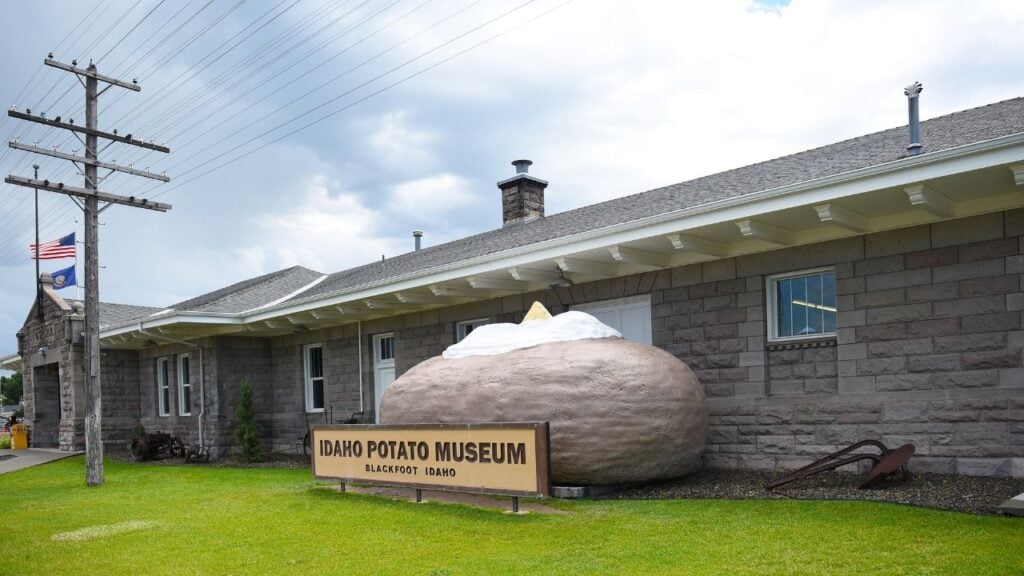
Tell an Idahoan the state has a working seaport, and they won't even blink.
Tell almost anyone else, and the reaction is very different, which is exactly the gap this list of facts, laws, and quirks explores.
9 Things That Only Make Sense to People Who Grew Up in Idaho
