
7 Signs the First Frost Is Close in a Minnesota Backyard

The Twin Cities’ first fall freeze is usually between October 1 and October 10, and central Minnesota often crosses that line even sooner.
That window is closing fast.
These are the signs the first frost is close in a Minnesota backyard.
1. Frost Advisories and Freeze Watches
A frost advisory buzzing on a phone is often the very first formal sign a backyard is about to see its first frost.
That warning often arrives before a single leaf or tomato plant shows anything is wrong.
Minnesota’s National Weather Service offices issue that alert once they spot one exact pairing in the forecast: Clear skies and calm wind.
A Frost Advisory goes out whenever forecasters expect a low of 33 to 36 degrees on one of those nights.
That’s cold enough to nip tender plants without triggering an official freeze.
A Freeze Watch or Freeze Warning covers the wider, colder push below 32 degrees, the kind that touches nearly everything outdoors.
That October window comes from three decades of temperature records, not one historic date.
St. Cloud and the rest of central Minnesota typically reach it close to the last week of September, a week or two ahead of the metro area.
That’s the earliest formal warning a yard gets.
A Watch Isn’t a Warning
A Freeze Watch and a Freeze Warning from Minnesota’s National Weather Service sound like the same alert, but they mark two different stages of confidence, not two different temperatures.
A Watch means the ingredients for a freeze are lining up, and forecasters think it’s possible within the next day or two, not yet certain enough to call.
A Warning means forecasters are confident it’s coming, so it’s the signal to finish protecting anything left outside before nightfall.
2. Clear, Calm Nights After a Front
Frost over a yard needs two things to line up in the sky at once, and the thermometer almost isn’t the point.
Clear skies let the ground’s heat escape into space, while calm wind keeps that colder air from mixing with anything warmer above it.
That’s the exact setup meteorologists call radiational cooling.
A cold front clears the clouds, and the wind finally goes still.
A lawn can frost over within hours once the season’s coldest air moves in.
That’s also why a Minneapolis or St. Paul yard often stays a touch warmer than open farmland outside the metro, since pavement and buildings hold onto the day’s heat longer after sunset.
Calm air gives it away.
3. Wilting Tomato and Basil Leaves
Backyard tomato and basil plants often wilt days before an actual freeze ever touches them.
Chilling injury sets into warm-season vegetables anywhere between 32 to 55 degrees, according to Purdue University’s Vegetable Crops Hotline.
That’s cold enough to shut down a plant’s roots and leaf pores without a single ice crystal ever forming.
Peppers struggle to bounce back once they’re chilled, while tomatoes usually recover on their own.
A wilting basil or tomato plant on the porch is often one of the earliest signs a gardener notices that the season has turned.
4. Maples at Peak Color
Maples turn color and drop their leaves for close to the same reason frost forms: Cooling nights.
The Minnesota Department of Natural Resources (DNR) says cool nights between 32 to 45 degrees are what push a maple’s leaves into their brightest color.
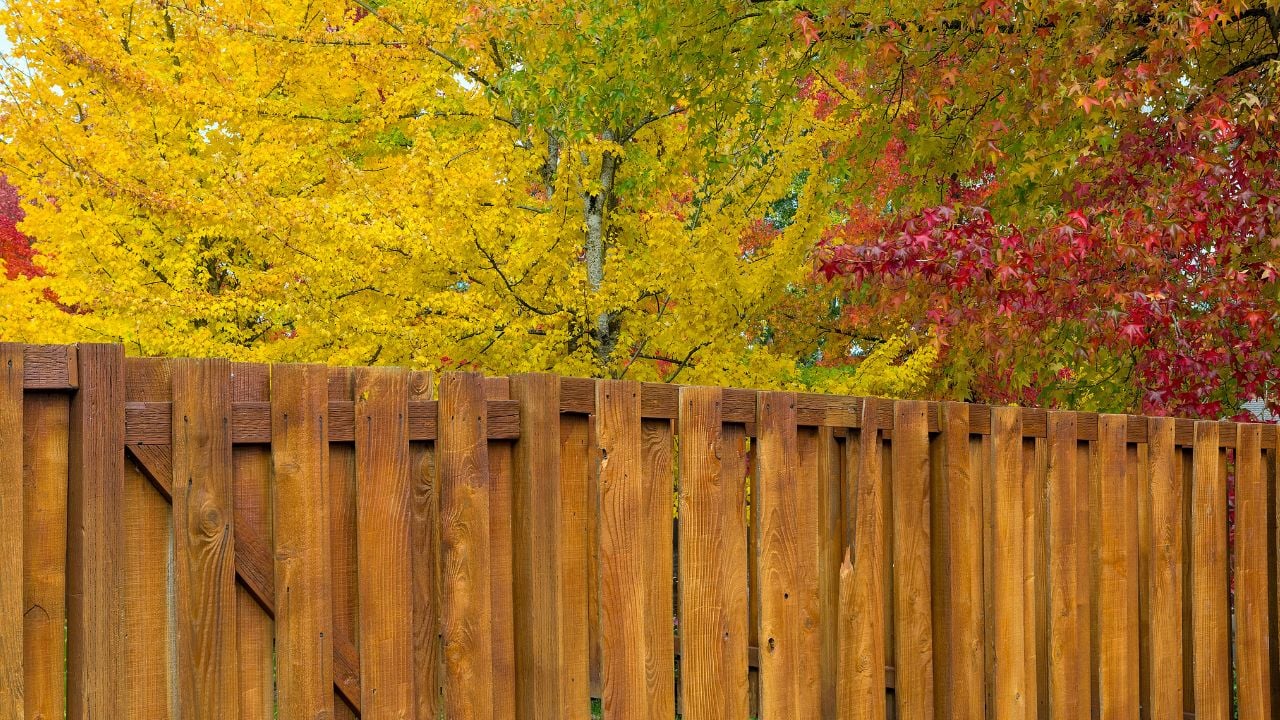
Those are the same temperatures that bring the first frost, so a yard’s color show and its first cold snap tend to arrive close together.
Boulevards of sugar maples through Minneapolis and St. Paul are usually among the first color anyone notices in the metro, while color arrives weeks earlier up along the North Shore.
The color is the tell.
A cold snap that lands too fast can end the color show early, freezing green leaves and sending them straight to the ground before they change color.
That’s a rarer version of the same signal: The cold snap moved in fast enough to skip the color and go straight to a hard freeze.
5. Bigger, Noisier Goose Flocks
Geese and ducks move differently once a cold front pushes through, and the difference shows up right over the backyard.
The DNR tracks this every fall in its waterfowl reports, which repeatedly tie fresh pushes of migrating birds to cold fronts moving through the state.
A calm week of local geese can turn into a noisy, honking sky within a single day once a front rolls through.
That honking marks the shift.
6. Frost on the Windshield First
Minnesota drivers sometimes find frost on the windshield on mornings when the official temperature reading never touched 32 degrees at all.
Grass, car roofs, and lawn furniture radiate heat efficiently and cool faster than the air several feet up, where the National Weather Service takes its official reading.
So the glass can carry a full coat of frost while the forecast still calls for a few degrees above freezing.
The glass cools faster than the air the thermometer measures.
That’s often the first clue a gardener gets that tender plants outside didn’t make it through the night, even before forecasters declare an official freeze for the area.
For many commuters, that windshield frost is the first sign of the season, arriving before a single leaf has turned.
Psst! How frost-ready is your Minnesota yard? Run through this checklist and see how you score.
7. Woolly Bears on the Sidewalk
Woolly bear caterpillars start showing up on driveways and sidewalks by the hundreds as the season cools toward its first frost.
They aren’t traveling anywhere.
Iowa State University Extension notes the caterpillars are searching for a sheltered spot under leaf litter or dead plant debris where they can spend the winter as larvae.
The old belief that a caterpillar’s black and brown bands predict how hard the coming winter will be doesn’t hold up.
Scientists have found the coloring tracks the caterpillar’s age and how damp its home ground was, not the weather ahead.
What gets a woolly bear caterpillar through a Minnesota winter is chemistry: They fill their cells with glycerol, an antifreeze compound that keeps ice crystals from tearing them apart.
They can freeze solid and thaw out again more than once before spring, and still go crawling the moment the ground warms enough to let them.
9 Signs You Grew Up in Minnesota, No Matter Where You Live Now

More than 810,000 Minnesotans claim Norwegian ancestry, more than any other state in the country, and that number shows up in more than a family tree.
These are the habits that mark a Minnesota upbringing, whether someone still lives there or moved away decades ago.
9 Signs You Grew Up in Minnesota, No Matter Where You Live Now
9 Reasons People Are Leaving Minnesota in 2026

Minnesota has lost a net 47,865 residents to other states since 2019, a decline worse than 33 other states saw over the same stretch.
These are the reasons so many Minnesotans have been choosing somewhere else in 2026.
