
7 South Carolina Wedding Traditions That Surprise Everyone From Up North

You’re a guest at a South Carolina wedding, and the favor box on your table doesn’t hold what you expected.
Inside is a stack of something paper-thin.
Here are the South Carolina wedding traditions that surprise everyone from up north.
1. The Groom’s Cake Rivalry
The groom’s cake stopped being a plain Victorian tradition a long time ago.
Bakers ice it in Clemson orange or Carolina garnet, and the choice says plenty about which team owns the groom’s Saturdays every fall.
Loyalty, in frosting.
A cake shaped like Clemson’s Death Valley stadium or a Gamecock mascot is a normal order at a bakery, not an unusual request.
Guests from outside the South tend to assume a groom’s cake is a throwaway joke, a small dessert nobody takes seriously.
Nobody’s joking at the reception.
Skip the team colors, and somebody at the reception asks why.
2. Palmetto-Frond Boutonnieres
Grooms and their wedding parties sometimes pin on a boutonniere that never had roots at all.
Charleston florists hand-fold it instead, twisting a single frond from the palmetto tree into the shape of a rose.
The same tree stands on the state flag.
The finished rose holds its shape through a Lowcountry ceremony’s afternoon heat, long after a fresh-cut flower would have wilted.
Nothing to trim or water.
The same fronds turn into full bouquets and centerpieces too.
Wedding guests often leave the reception with a folded rose of their own, pinned to a card carrying the couple’s wedding date.
3. The Shag on the Dance Floor
The shag takes over the wedding reception once the DJ cues one particular song, and anyone who grew up in the state already knows what’s coming.
It’s South Carolina’s official state dance, made law back in 1984, built for a slow six-count groove instead of a fast spin.
Not a square dance.
Couples work it in a narrow lane, feet gliding more than stomping, to a genre locals call beach music.
Guests visiting from outside the South usually need the whole first verse just to figure out what they’re watching.
Then somebody pulls them in.
By the second song, half the reception is trying it, badly, and having a great time anyway.
4. Jumping the Broom
The wedding party still jumps the broom at many Gullah Geechee ceremonies along the coast.
Two people hold an actual broom low across the aisle, and the couple hops over it together as the room cheers.
The custom reaches back to the antebellum South, when enslaved men and women were denied a legal marriage under the law.
The jump was the wedding.
Coastal South Carolina families descended from that history still choose the broom today, on purpose, as a tribute rather than a reenactment.
Why the Gullah Geechee Broom Jump Isn’t Just Decoration
Many South Carolina weddings with no connection to Gullah Geechee culture rent out the broom jump as a costume prop.
The National Park Service traces Gullah Geechee heritage along the coast from North Carolina down through Florida, and coastal South Carolina is one stretch of that longer corridor.
Families in South Carolina’s Lowcountry who trace back to that history choose the broom jump on purpose, generations later, as a tribute to ancestors the law once refused a legal wedding.
5. Benne Wafers as the Wedding Favor
Wedding favors on a reception table sometimes arrive in a small box tied with a ribbon, and inside sits a stack of paper-thin benne wafers.
Benne is the West African word for sesame, and enslaved cooks carried the seed into Lowcountry gardens generations ago.
It never left Charleston’s kitchens.
They’re sweet, thin, and a little smoky.
A guest from outside the South unwraps a benne wafer expecting a generic cookie and gets a taste of Charleston history instead.
Charleston bakeries have boxed benne wafers as souvenirs for more than a century, and brides simply started handing out the same boxes at their own reception tables.
History, wrapped in ribbon.
Psst! How much do you know about South Carolina weddings? Take our quiz and see how many you can get right.
Quiz
South Carolina Wedding IQ
Answer these questions on South Carolina wedding law, history, and customs. We bet you can’t get them all right. Prove us wrong?
In what year did the South Carolina Supreme Court rule that no new common-law marriages could form in the state?
6. Sweetgrass Baskets as the Wedding Gift
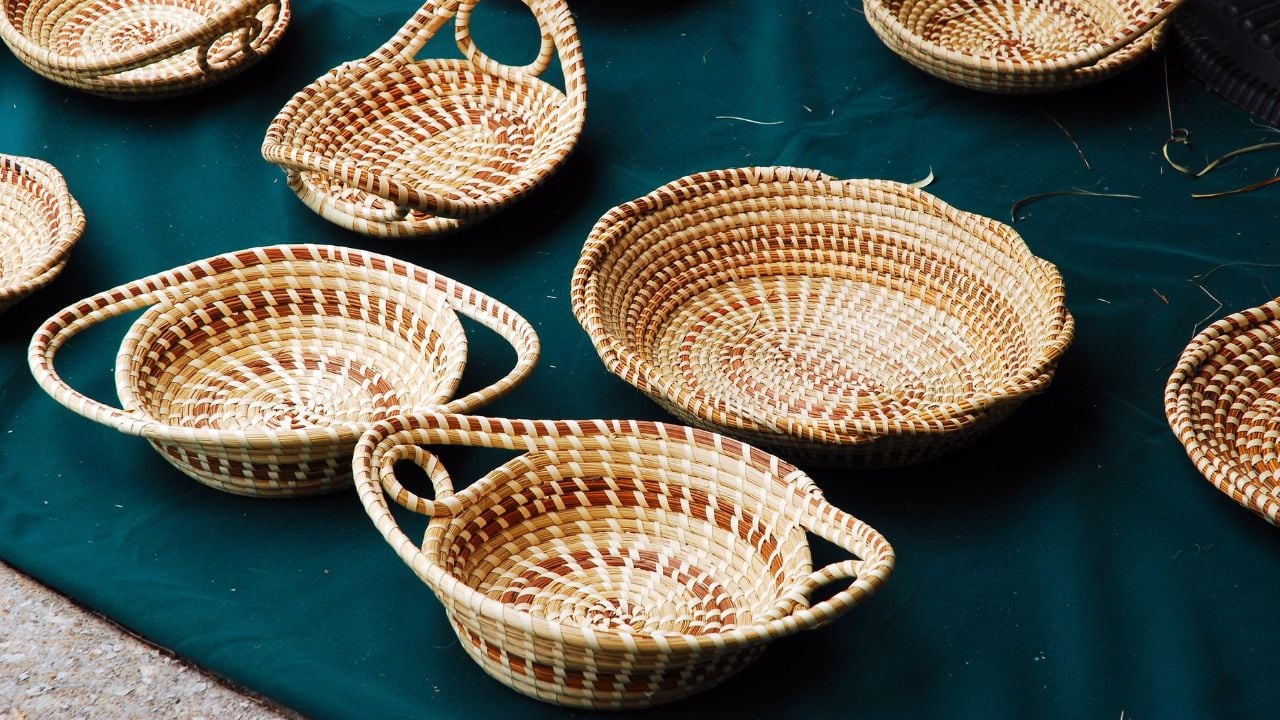
Wedding guests sometimes go home with a sweetgrass basket instead of a candle or a picture frame.
Gullah artisans in Mount Pleasant hand-coil sweetgrass, bulrush, and palmetto leaf into each basket, using a technique that traces back to West Africa.
Weavers still shape the coils with a sewing bone: A filed teaspoon handle, a flattened nail, or a rib bone from a cow or a pig.
A pair of scissors finishes the job.
The craft has survived for generations along the same stretch of Lowcountry road, and today the same weavers sell those baskets as wedding gifts and favors, not just roadside souvenirs.
A basket, not a candle.
It's a gift a guest keeps for decades, long after a candle would have burned down to nothing.
7. Feather Bow Ties for Groomsmen
Groomsmen at a wedding sometimes skip the silk bow tie altogether and wear a feather bow tie instead.
Brackish, a Charleston company, started the whole idea as a one-time favor, when founder Ben Ross needed something different for his own groomsmen in 2007 and decided to make it himself.
One wedding turned into a whole company.
Brackish still ships feather bow ties nationwide, along with matching cufflinks and pocket squares, and the style has grown increasingly common among local grooms themselves.
A guest visiting from up North spots a feather bow tie across the room and assumes it's a costume piece, not a hand-stitched accessory made a few miles from the reception.
It's not a costume.
Grooms pick colors to match the wedding palette, from a deep hunter green to a bright Carolina blue.
By the time the reception photos come back, the bow tie is usually the detail guests ask about first.
8 South Carolina Ghost Stories Even Locals Can't Keep Straight
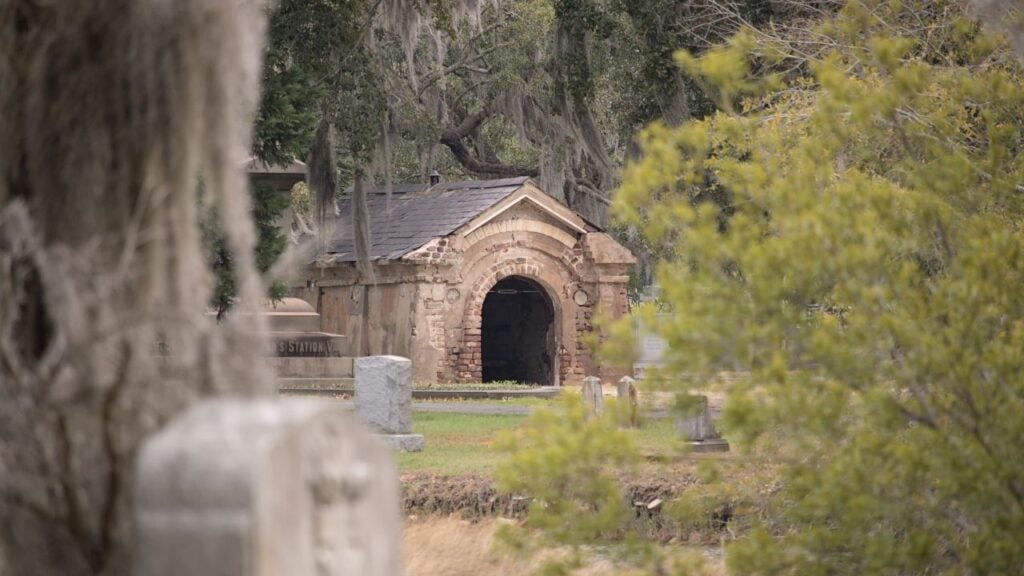
A Charleston tour guide stops the group outside an old jail cell and repeats the same story locals have told for generations.
The piece checks eight South Carolina ghost stories against the historical record, and even longtime residents don't always agree on which parts hold up.
8 South Carolina Ghost Stories Even Locals Can't Keep Straight
8 Arguments North Carolina and South Carolina Will Never Settle
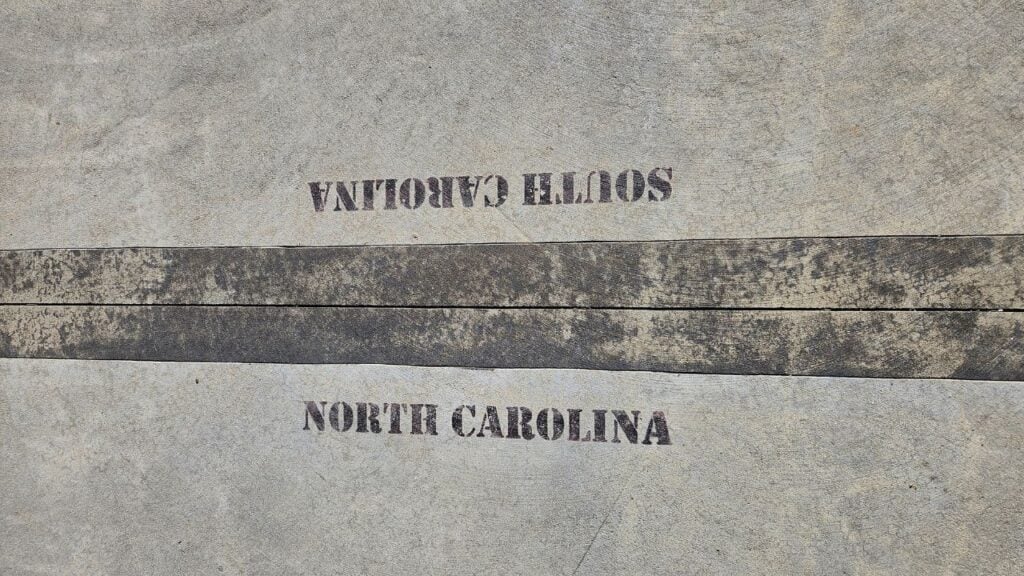
North Carolina and South Carolina have argued over where one state ends and the other begins since before either was officially a state.
Surveyors first drew that line in 1735 with little more than a compass and a rope, and eight arguments the two states still haven't settled show nobody ever fixed it for good.
8 Arguments North Carolina and South Carolina Will Never Settle
