
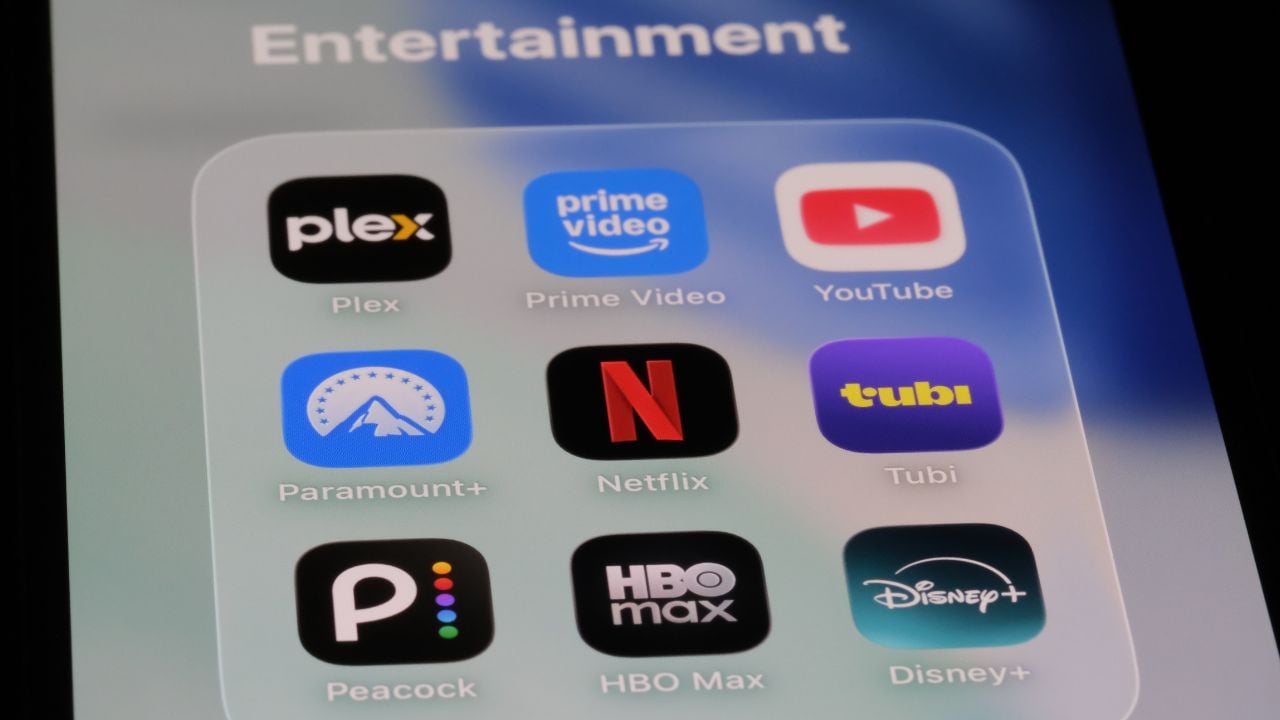
7 Streaming Charges Georgians Keep Paying for Nothing

Since 2023, Georgia’s Online Automatic Renewal Transparency Act has required companies to give residents a working way out of a recurring charge.
That’s the law.
But none of it stops a charge from landing on your card long after your reason for it is gone.
These are the streaming charges Georgians keep paying for nothing.
Note: This is general information, not legal or financial advice. Subscription prices, terms, and cancellation policies are subject to change.
1. Free Trials’ Silent Deadline
Streaming free trials come with a silent deadline.
A 2023 Forbes Home survey found nearly half of respondents, 45%, said they forgot to cancel one before the payment went through.
The charge lands the moment that countdown hits zero, whether anyone watched a single show or not, and nobody sends a reminder.
The Federal Trade Commission’s advice for consumers is to put a reminder on your calendar.
The company holding your card number has no reason to do it for you.
2. Discounts Nobody Watches For
Streaming discounts almost always expire on a set date, and the account rolls over to the regular price automatically unless someone catches it first.
Georgia’s Online Automatic Renewal Transparency Act has been in effect since 2023.
The law requires any company that bills a subscriber automatically to hand over a working cancellation link or a pre-written cancellation email, not just a phone number nobody answers.
Not every company remembers.
When that notice never shows up, the state’s consumer protection division is the place built to hear about it.
3. Subscriptions That Outlive the Show
Streaming accounts don’t know when a show ends, so the monthly charge keeps landing long after the finale.
The same 2023 Forbes Home survey found 44% of people said they signed up for a streaming service just to watch one particular show or movie.
The show wraps, but the account doesn’t.
The company keeps charging that same card for a library nobody opens anymore.
4. Ad Tier’s Extra Dollar
Peacock’s streaming price for its ad-supported Select plan is rising from $7.99 to $8.99 a month.
Existing subscribers see the new rate starting with their next bill on or after September 17, 2026.
Every other tier is rising too, and nothing about the library, the app, or the ad load is changing to earn it.
The subscriber’s bill is the only thing moving.
Peacock frames the increase as a move to stay competitive, phrasing broad enough to explain almost any price on any app.
Peacock’s Streaming Price Hike, by the Numbers
Peacock’s streaming price increase looks small measured one month at a time, a dollar here, two or three dollars there.
Stretched across a year, the Select plan costs $12 more, Premium costs $24 more, and Premium Plus costs $36 more.
That’s the same math whether or not a subscriber opens the app that month, and none of those totals buy a single new show, feature, or fewer ads.
5. Ads on the No-Ads Plan
Streaming services sell an ad-free tier as a clean break from commercials, but live sports and events are the exception written into the fine print.
Hulu confirmed in February 2025 that its ad-free plans still carry commercial breaks during live sports and other live events.
The same Tom’s Guide report named Netflix, Peacock, Max, and Paramount+ as already handling live sports the same way.
Netflix charges $19.99 a month for its ad-free Standard plan against $8.99 for Standard with ads, an $11 premium to lose the commercials.
Sports still come with ads.
That $11 a month buys a commercial-free rerun, but not the World Series or the big kickoff.
6. Cancel Button That Wasn’t There
Peacock’s streaming service made it simple to sign up and complicated to leave, according to a consumer protection lawsuit Los Angeles County filed over exactly that gap.
NBCUniversal settled the case for $3.6 million on July 16, 2025, after the county alleged Peacock failed to give subscribers clear renewal terms or an easy way to cancel.
It was a hard out for anyone who’d already tried to leave.
Every month a subscriber couldn’t escape was a month billed for a service they wanted gone.
7. Free Perk You Pay For
T-Mobile bundles a Netflix streaming plan at no extra cost on several of its phone plans, worth $8.99 a month to anyone who links it.
T-Mobile’s page on the perk says linking an existing Netflix account can take 1-2 billing cycles.
Until then, T-Mobile keeps billing that customer separately for any Netflix account they already had, on top of the phone bill.
Nobody tells you to check.
If a subscriber already pays Netflix directly and never links the T-Mobile perk, one of those two charges is buying nothing that wasn’t already covered.
Psst! How many of these are draining your account without you noticing? Run through the checklist and see how clean your subscriptions are.
Where Federal Rules Stand Right Now
Streaming cancellations almost got one clear federal rule in 2024, when the Federal Trade Commission finalized a “click-to-cancel” requirement for subscription businesses nationwide.
A federal appeals court vacated that rule in July 2025.
The commission reopened its rulemaking process in March 2026, so no single nationwide cancellation standard is currently in force.
The gap didn’t close.
Even without a finalized rule, the Federal Trade Commission kept bringing individual cases under the older law: A $60 million settlement covered subscription renewal and refund practices, and a $7.5 million settlement covered hidden cancellation options.
6 Publix Customer Service Desk Requests Georgia Shoppers Never Think to Make

Publix’s Presto! automated teller machine (ATM) network caps a single withdrawal at $400, and Georgia is one of eight states where it operates.
The customer service counter beside those machines runs on a completely different set of rules than the registers up front.
6 Publix Customer Service Desk Requests Georgia Shoppers Never Think to Make
7 Things Georgia Sells at State Surplus Auctions That Bargain Hunters Never Check

Every Tuesday night, a warehouse outside Cartersville fills with folding chairs, clipboards, and bidders who showed up for one reason.
None of them wanted a used minivan; they wanted whatever the state decided it didn’t need anymore.
7 Things Georgia Sells at State Surplus Auctions That Bargain Hunters Never Check
