
7 Things Florida’s Move Over Law Now Requires That Most Drivers Miss

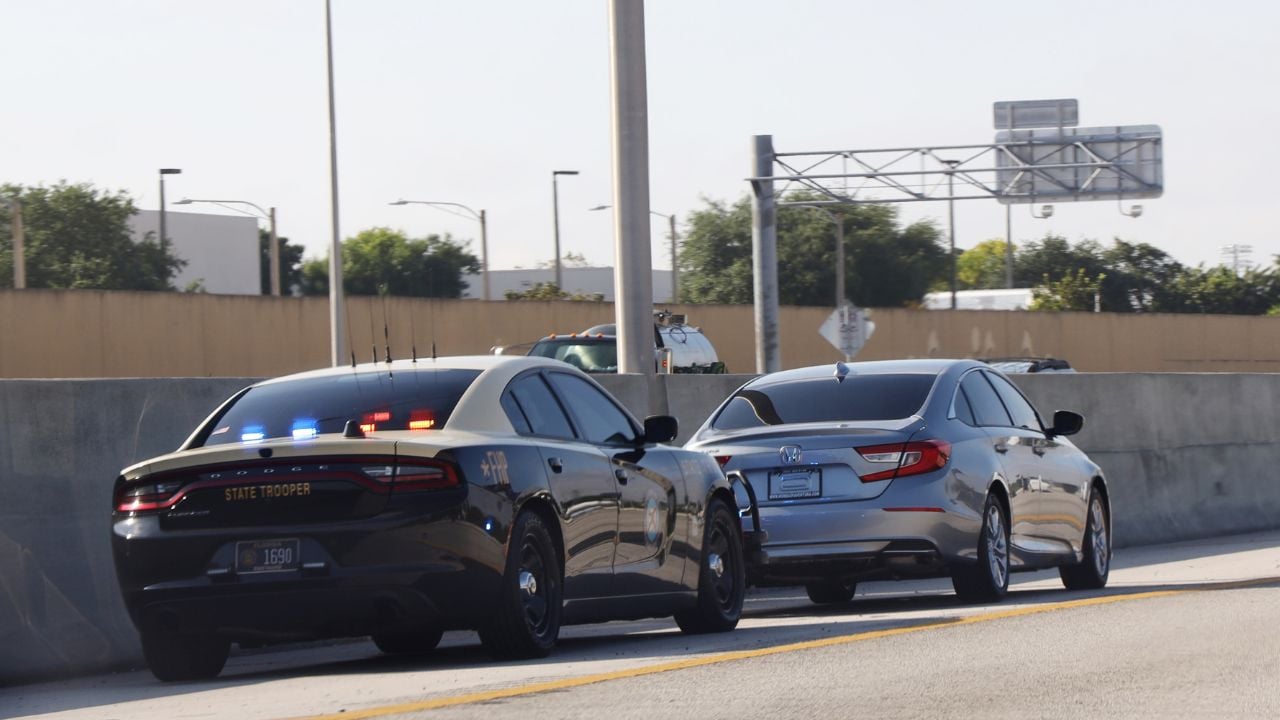
Most drivers know to move over for flashing police lights.
Florida’s rule reaches a lot further than that, and some of the changes are fairly recent.
Here’s what the law asks of Floridians now, including the parts many drivers miss.
Note: This is general information, not legal advice. Traffic laws and penalties are subject to change, so confirm the current requirements with the Florida Department of Highway Safety and Motor Vehicles.
1. Garbage Trucks on the Roadside
Florida’s Move Over law, found in Section 316.126, lists sanitation vehicles among the vehicles it covers.
The duty applies while the truck is working a task tied to sanitation services on the roadside.
If you pass one working along the curb, you owe it the same response as a parked emergency vehicle.
Many drivers treat a garbage truck as ordinary traffic.
The statute says otherwise.
2. Tow Trucks With Amber Lights
Florida’s Move Over law covers a wrecker when it displays amber rotating or flashing lights while it performs a recovery or loading on the roadside.
The statute describes both the lights and the work, so the truck has to be doing both.
Section 316.126 describes a wrecker that is performing a recovery or loading, not one that is only driving down the road.
When you see amber ahead on the shoulder, start planning your move early.
Give that truck the same respect you’d give a police car.
3. Slowing 20 MPH Below the Speed Limit
Florida’s Move Over law tells you to reduce speed when you can’t move over safely.
On a two-lane road, you’re expected to slow to 20 miles per hour below the posted speed limit when that limit is 25 or higher.
On a two-lane road posted at 55, that means 35.
Moving over comes first, and slowing down is the fallback.
Either way, the statute has you act as soon as it’s safe.
Many drivers lift their foot and keep rolling.
Check your speedometer, not your instincts.
Move Over Versus the Siren Rule
Florida’s Move Over rule covers an emergency vehicle that is parked on the roadside displaying any visual signals.
Florida’s siren rule, Section 316.126(1)(a), covers an emergency vehicle that is approaching with its siren sounding.
Under that rule, you pull as close as reasonable to the edge of the road, stay clear of any intersection, and stop until the emergency vehicle has passed.
4. Road Crews Without Advance Signs
Move Over also applies to a road and bridge maintenance or construction vehicle when it displays warning lights and sits on the roadside without advance signs and channelizing devices.
Section 316.126 describes a crew without advance signs and channelizing devices, not one with them in place.
You owe the crew room whenever the truck’s warning lights are on and its advance signs and channelizing devices are missing.
5. Disabled Vehicles With Hazard Lights
Florida’s Move Over law didn’t cover a disabled motor vehicle until January 1, 2024.
Now it does.
That change came through a 2023 transportation bill, chapter 2023-197.
A disabled motor vehicle qualifies when it is stopped with its warning lights or hazard lights on.
When you pass it, you need to move over or slow down.
6. Flares, Emergency Signage, and Visible Persons
Under Section 316.126, a light isn’t the only way a disabled motor vehicle qualifies for Florida’s Move Over law.
A disabled motor vehicle also qualifies when it is stopped and using emergency flares or posting emergency signage.
A third way is being stopped with one or more persons visibly present.
So a stopped, disabled motor vehicle with no lights on still needs your room if a person is visibly present.
7. Utility Trucks at Work
Move Over covers a utility service vehicle when it is performing a task related to the provision of utility services on the roadside.
You’re the one expected to adjust when you come up on a utility crew working beside the road.
Emergency Drivers’ Duties
Florida’s Move Over law shares Section 316.126 with duties for the emergency driver.
An emergency vehicle on its way to an existing emergency has to warn the traffic along its route.
The warning can be a siren or other adequate device, or displayed blue or red lights.
The section also says it doesn’t relieve that driver of the duty to drive with due regard for everyone using the highway, including you.
Psst! Think you’ve got this down? Flip each card and see if you can get them all right.
Fines, Fees, and License Points
According to Florida’s highway safety department, a violation of Florida’s Move Over law brings a fine, fees, and points on your driving record.
The department reports 205 crashes and more than 17,500 citations in Florida in 2024 for motorists failing to move over.
A Move Over violation adds 3 points to your Florida license record under Section 322.27.
They add up.
If you reach 12 points within 12 months, the state can suspend your license for up to 30 days.
Eighteen points in 18 months can mean a suspension of up to 3 months.
And 24 points in 36 months can mean up to a year.
15 Words Floridians Say That Stop Northerners Mid-Sentence

Some everyday Florida words stop Northerners mid-sentence.
Many newcomers don’t expect what a few of those words mean.
15 Words Floridians Say That Stop Northerners Mid-Sentence
7 Florida Roadside Attractions Floridians Assume Closed Years Ago

Some Florida roadside stops have a reputation for being long gone.
A few of them might surprise you.
7 Florida Roadside Attractions Floridians Assume Closed Years Ago
