
7 Things Indiana Homeowners Should Do Before the First Hard Freeze

If a pipe bursts this winter, you’ll want to know exactly where your master shutoff valve is.
Hoosiers who find it now, before the first hard freeze, save themselves a frantic search later.
Here are the things Indiana homeowners should do before the first hard freeze.
1. Unhooking Your Garden Hoses
Before a hard freeze arrives, your garden hose needs to come off the outdoor faucet.
Unhook any hose connected to an outdoor faucet.
Then store the hose indoors or in your garage for the winter.
Indiana American Water says to shut off the water to each hose bib, the outdoor faucet your hose screws onto, from inside your house, then drain the lines.
2. Wrapping Exposed Pipes
Exposed pipes in your home need protection before the first freeze.
Insulate any exposed water pipes in cold areas, including your basement, crawl space, and attic.
You can wrap pipes in foam insulation or electric heat tape.
Follow the manufacturer’s instructions carefully to avoid a fire hazard.
One insurer reported that 975 frozen-pipe claims paid in Indiana in 2023 totaled over $19.9 million.
That works out to roughly $20,000 a claim.
Ouch.
3. Checking Your Local Freeze Date
The first hard freeze doesn’t arrive on the same day in every town.
At the Indianapolis airport, the normal first date for a low of 28 degrees or colder is Nov. 5, based on records that go back to 1943.
Bloomington’s date is Nov. 4, a day earlier, and West Lafayette’s is Oct. 25.
Up north, Fort Wayne averages Oct. 29 for the same low, and South Bend averages Nov. 3.
Those are 1991 to 2020 figures, so any single year can come sooner or later.
Find the town nearest you on the list, and circle that date on your calendar.
What Counts as a Hard Freeze
The National Weather Service’s Indianapolis office says a widespread hard freeze is likely once the low reaches 28 degrees or colder.
At 32 degrees or colder, frost becomes widespread, but a hard freeze is only possible in isolated pockets.
You’ll see that milder freeze first, since the 32-degree date comes before the 28-degree date in every town on the list.
The earliest first 28-degree low of a season at the Indianapolis airport came Oct. 3, 1974. The latest first one came Dec. 3, 2004.
That is a two-month spread, so your year may not match the average.
4. Finding Your Master Shutoff Valve
Find your master shutoff valve now, before anything freezes.
Know where it is, so you can cut the water to the building right away if a pipe freezes.
Purdue University’s INdiana PREPared site says to shut off the water at the main valve in a winter power failure.
If your water meter sits in an underground pit, check that the lid isn’t broken and is closed tightly.
Snow on the lid is fine, since it helps insulate the meter.
Psst! How much do you know about Indiana’s wild weather? Take our quiz and see if you can ace it.
Quiz
Indiana Weather IQ
Answer these questions on blizzards, tornadoes, and lake-effect snow. We bet you can’t get them all right. Prove us wrong?
What’s Indiana’s all-time record low temperature?
5. Servicing Your Furnace
Your furnace is likely to start running before the hard freeze arrives: Indianapolis's normal first 32-degree date is Oct. 26, ten days before its normal first hard freeze.
If you have a natural gas furnace, check the pilot light periodically. It should be a steady blue flame.
Change your furnace filter regularly, and have the furnace itself inspected regularly.
The Indiana Department of Homeland Security (IDHS) says to have your heating system, water heater, and any gas, oil, or coal-burning appliances serviced annually.
Check your dryer, furnace, and stove vents regularly for debris blockage too.
6. Testing Your Carbon Monoxide Alarms
Before you use a home fireplace or wood stove this winter, have it cleaned to avoid carbon monoxide poisoning.
Test your carbon monoxide (CO) alarms before the first hard freeze too.
Install CO alarms outside each sleeping area and on every floor of your home.
Test each alarm monthly, and replace each one every five years.
If an alarm goes off, leave your home immediately and call emergency personnel.
7. Sealing Your Drafts
Before the first hard freeze, take a walk around your house and look for drafts.
Several small cracks around your home can let out about as much warm air as one open window.
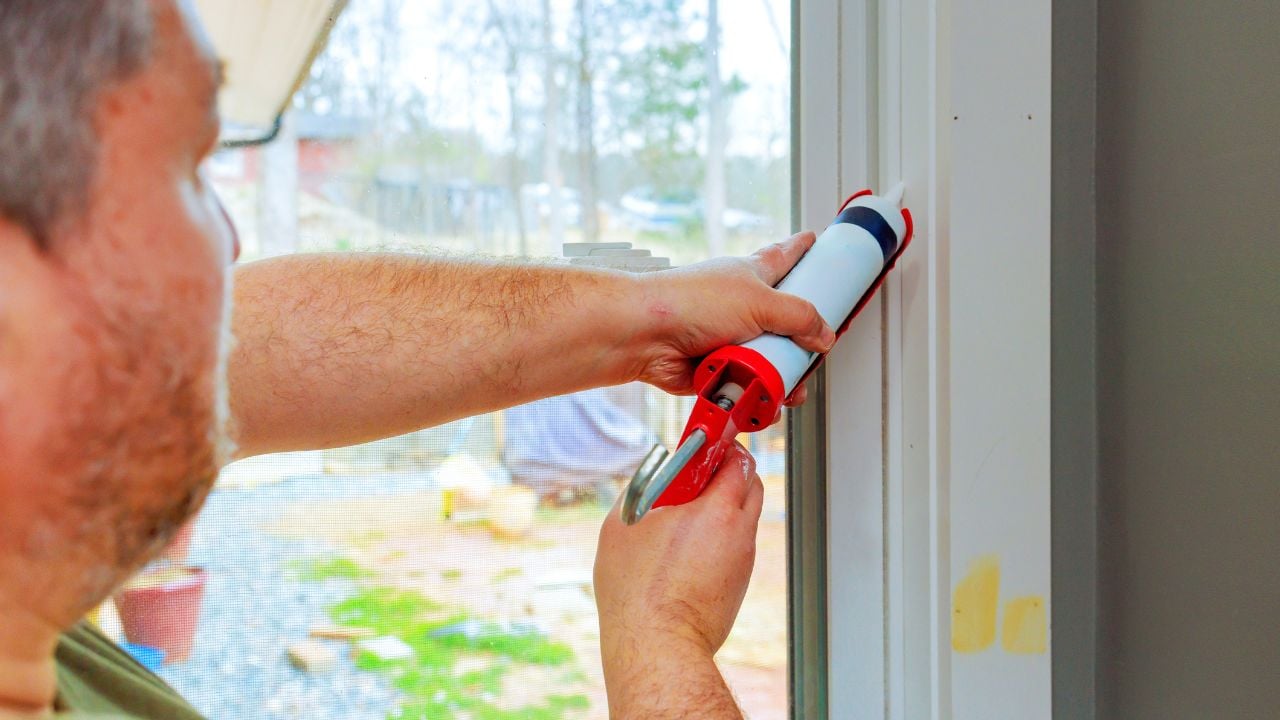
Check the weather stripping, caulking, and seals around your doors and windows.
Foam or plastic gaskets can insulate drafty outlets along exterior walls.
Plastic sheeting over your windows is a low-cost fix.
If you have a fireplace, close the damper when you're not using it.
Duke Energy and Northern Indiana Public Service Company (NIPSCO) offer energy efficiency programs.
A home energy assessment can help too.
If a Pipe Freezes Anyway
Call a licensed plumber when your pipe freezes.
Attempting to thaw a frozen pipe without a plumber's help or advice can lead to serious damage that is very expensive to repair.
Never try to thaw a pipe with a torch or any other open flame. It can be deadly.
Once you've thawed a pipe, turn the water back on very slowly while watching carefully for leaks.
Pipes at Zero Degrees
If a hard freeze drops the temperature to zero or below, take a few more steps for your pipes.
Let a small, pencil-size stream run from at least one faucet, especially at night.
Open the cabinet doors under your sinks too, so room air can reach any exposed pipes.
Ask your utility if it offers a small billing adjustment for customers who run water to prevent pipes from freezing.
If you're leaving town, set your thermostat no lower than 55 degrees.
3 Cold-Weather Grooming Habits Indiana Veterinarians Say Do More Harm Than Good
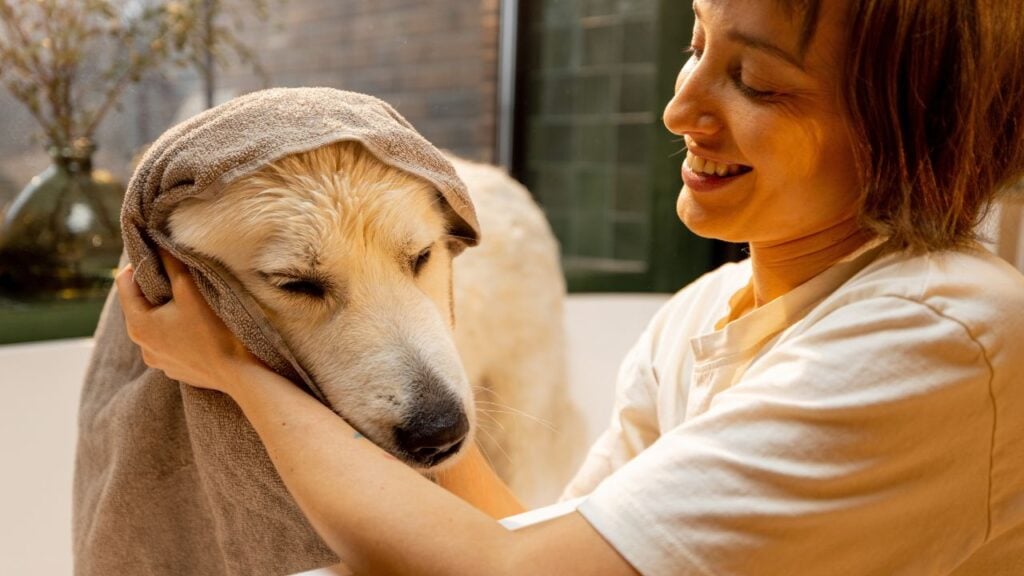
Veterinarians at Purdue University say salt and ice can cause trauma to a dog's paw pads, so wipe your dog's paws after going outdoors to remove salt and deicer.
3 Cold-Weather Grooming Habits Indiana Veterinarians Say Do More Harm Than Good
