
7 Things New Hampshire Wildlife Starts Doing in the Fall That Surprise New Residents

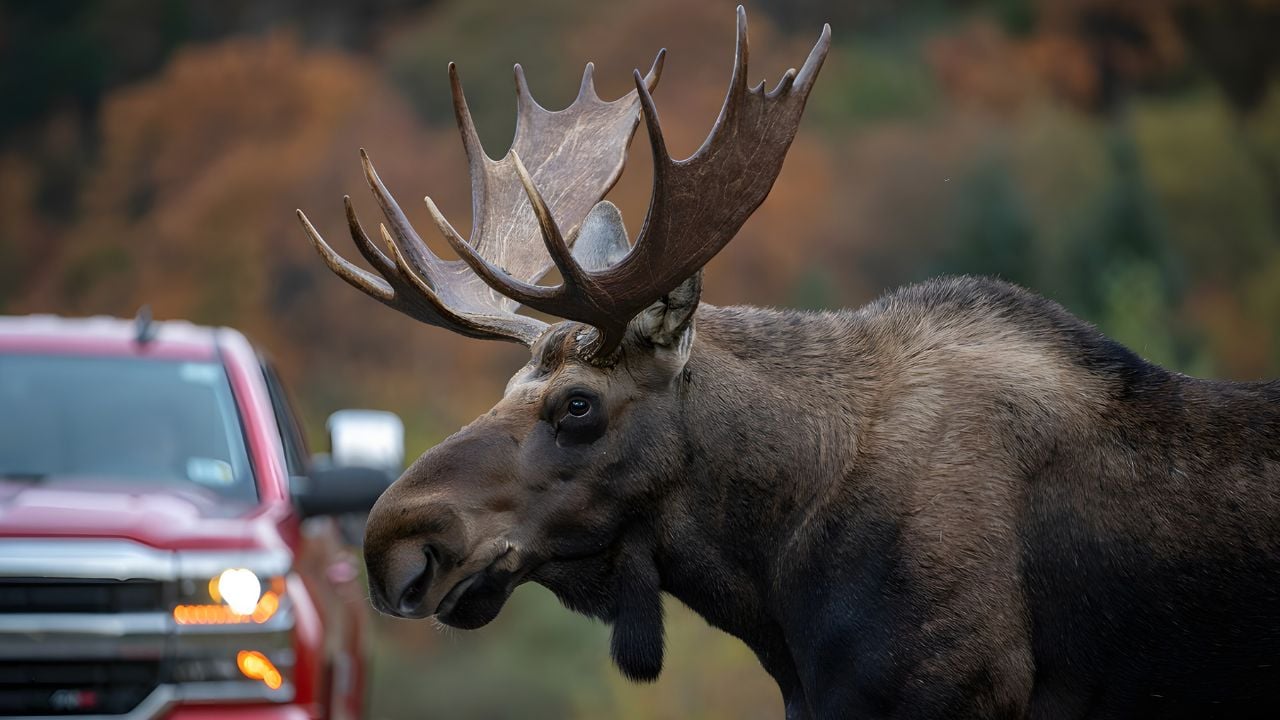
New Hampshire Fish and Game logs an average of 64 moose-vehicle collisions a year, most of them in low light.
A moose collision is more than 13 times as likely to kill someone as a deer collision.
New residents assume that peaks in deep winter. But these animals are on a different calendar.
These are the things New Hampshire wildlife starts doing in the fall that surprise new residents.
1. Loon Chicks Left Behind
Loons nesting on New Hampshire’s lakes don’t migrate south as a family.
The adults go first.
A multi-year study of loon pairs across Maine and New Hampshire found the first parent typically leaves around October 10.
The second parent follows about two and a half weeks later, close to October 27.
That leaves the chicks on the water alone, and they can’t fly yet.
A young loon spends those weeks doing what biologists call “wing rowing,” a repeated flapping and splashing that builds the chest muscle it needs before it can take off.
New residents who hear a loon calling alone on Squam Lake or Winnipesaukee in late October aren’t listening to an orphan.
They’re listening to a teenager still working up the strength to leave.
2. Restless, Reckless Deer
New Hampshire’s white-tailed deer spend much of the year on a predictable routine, feeding at dawn and dusk and bedding down close to cover.
That pattern breaks each fall.
New Hampshire Fish and Game says deer activity and movement increases once the rut begins, with roughly 80% of breeding packed into a three-week window starting around mid-November.
Bucks stop feeding on a schedule and start covering ground at any hour, chasing does by scent instead of sticking to a routine.
They cross roads they’d normally avoid.
The state’s advice for drivers is blunt: Slow down at dawn and dusk, use high beams where it’s legal to do so, and scan both shoulders.
A deer that’s calm in September can bolt across four lanes in November without warning.
New residents driving Route 4 or the Everett Turnpike at twilight in November learn that fast.
Why a Moose Hit Is So Much Worse Than a Deer Hit
New Hampshire’s deer and moose both wander into headlights this time of year, but a moose crash carries far higher stakes.
A study of crash and trauma center data from New Hampshire, Vermont, and Maine compared the two.
A human death was more than 13 times as likely after a moose collision than after a deer collision.
The math comes down to size, not chance.
A moose can stand 6.5 feet tall and weigh up to 1,300 pounds.
A car’s hood passes underneath that height, so the animal’s body and legs come through the windshield instead of over the hood the way a deer’s usually does.
3. The Pre-Denning Feast
Black bears spend the fall packing on weight before winter, and New Hampshire’s beechnuts, acorns, and hickory nuts are the staple that fuels it.
The state calls it the hard mast crop.
When it’s thin, bears fall behind on fat and start showing up at bird feeders and trash cans they’d normally ignore.
New Hampshire Fish and Game says black bears typically enter their dens sometime between mid-October and late November.
Food abundance, stored body fat, age, and the weather all affect the exact timing.
A poor nut crop can push that date toward mid-October, and a rich one can stretch it into late November instead.
Same species, same state, and the calendar still swings by about six weeks depending on the nut crop.
It isn’t predictable.
That’s also why New Hampshire Fish and Game tells homeowners not to put bird feeders back out until December 1, or later if a bear is already active nearby.
A bear a new resident assumes is asleep by Halloween might still be working a beech ridge in Grafton County three weeks later.
4. The Beaver Lumberjacks
New Hampshire’s beavers spend much of the year working at a fairly relaxed pace.
Beavers pick up the pace each fall.
New Hampshire Fish and Game says beavers cache food for winter by cutting branches from alder, aspen, birch, maple, and willow.
They submerge the branches in the mud next to the lodge.
That’s the winter pantry.
Once the pond freezes solid, a beaver can’t easily reach fresh browse on land.
Much of what it wants for winter has to go into that pile before the ice closes over.
Beavers also put on body fat through the fall for insulation and stored energy.
New residents sometimes find a stand of saplings stripped bare along a pond in October and wonder what happened.
The beaver that did it is racing the ice.
That timber is next winter’s food supply, already banked before the pond freezes over.
5. Garter Snake Groups
New Hampshire’s garter snakes spend spring and summer scattered across yards, stone walls, and gardens on their own.
New Hampshire Fish and Game says that hibernation for the species can be solitary or communal, in rock crevices, holes, stumps, or foundations.
The snakes start grouping.
Naturalists who study New Hampshire’s snake dens say the search for a shared shelter begins as the leaves change color, well ahead of the season’s first hard freeze.
New Hampshire’s den groups don’t approach the famous Manitoba pits that hold thousands of snakes.
A handful of garter snakes sharing an old groundhog burrow or a gap in a rock wall is a typical New Hampshire den.
It’s still enough to startle a new homeowner who finds several snakes curled up together by a foundation for the first time.
6. Turkeys, Packed Into a Handful of Woods
Wild turkeys spread out across many different woodlots for much of the year, a hen and her brood keeping to one patch of forest.
That changes every fall.
New Hampshire Fish and Game says wild turkeys forage in mast-producing stands of oak, hickory, and pine each fall.
Birds that spent the year spread across the forest end up pulling toward the same stretches of woods at the same time.
Those flocks were already large by late summer, when hens and their broods typically merge into bigger groups.
Fall is when they start showing up in the same few places day after day.
A big flock crossing a back road in Cheshire or Merrimack County in October isn’t a fluke sighting.
That’s just what fall turkeys look like once the acorns start dropping.
Psst! How much do you know about New Hampshire’s fall wildlife? Tap through and see how many you can tell apart from myth.
7. Moose Bulls, Far From Home
New Hampshire’s moose population has fallen from a peak of 7,000 to 8,000 in the late 1990s to about 3,000 to 4,000 today.
Fish and Game says the state’s highest moose densities are still in the North Country.
Bulls start traveling every fall.
New Hampshire Fish and Game says the rut runs from mid-September through mid-October, and both bulls and cows travel more than usual in search of mates during that stretch.
A bull that spent the summer in one river valley can turn up on a road miles away by mid-October.
That’s part of why New Hampshire Fish and Game logs an average of 64 moose-vehicle collisions a year, many of them at dusk or after dark.
The state’s advice for this stretch is simple: Keep speeds at or below 55 mph after dark on North Country roads, and use high beams where legal.
Never assume a moose standing near the shoulder will move.
A moose that looks like it’s grazing can step into a lane without warning.
New residents driving Route 3 through Pittsburg or Route 16 near Berlin after sunset in October learn to slow down long before the moose crossing sign tells them to.
9 Things Everyone Gets Wrong About New Hampshire, According to People Who Live There
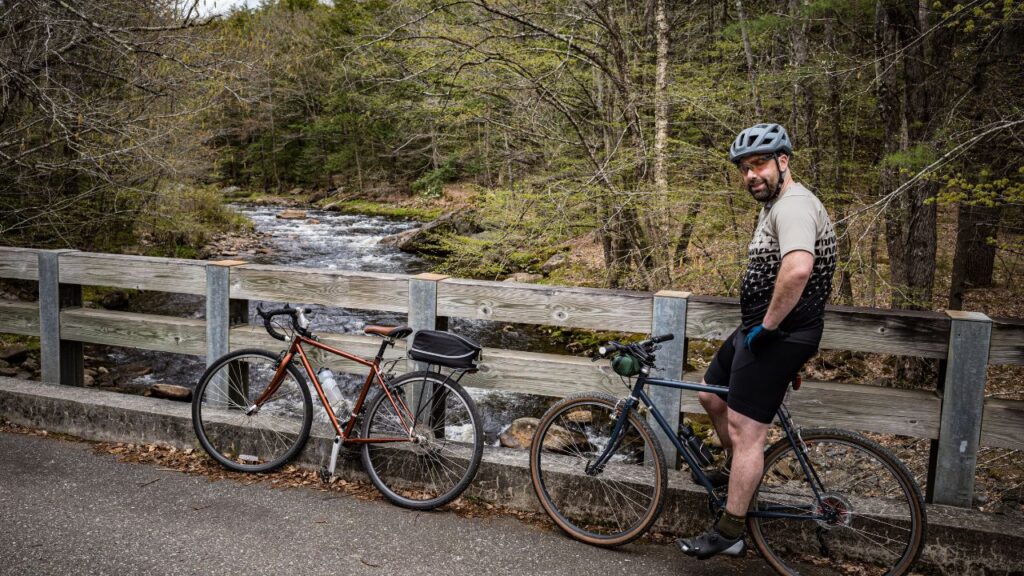
Driving Interstate 93 through the White Mountains doesn’t teach a visitor much about New Hampshire.
Granite Staters field the same confidently wrong guesses from out-of-towners again and again, and these are the wrong guesses locals wish people would finally drop.
9 Things Everyone Gets Wrong About New Hampshire, According to People Who Live There
8 Market Basket Deals New Hampshire Shoppers Plan Their Week Around
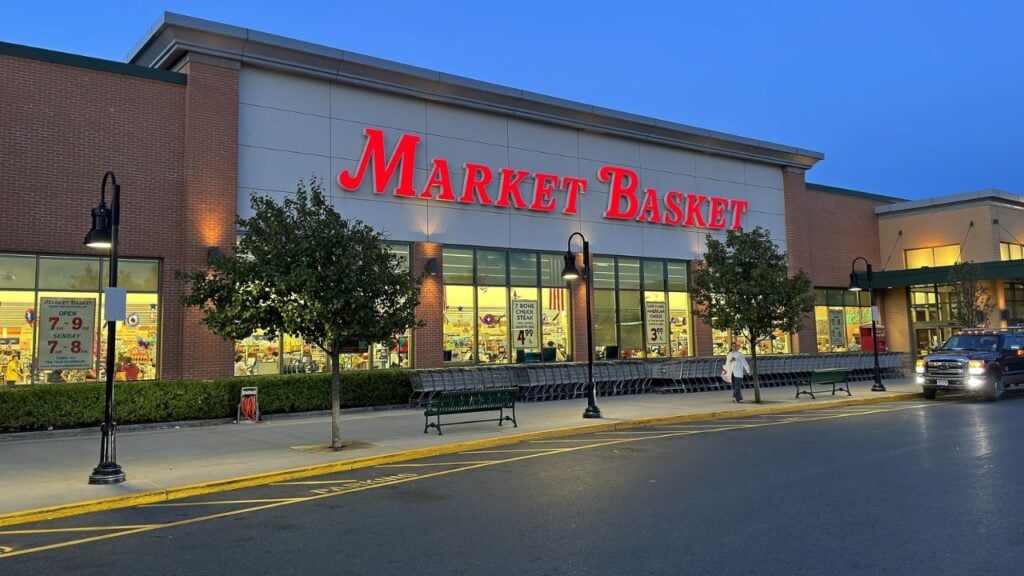
A Nashua shopper can fill a cart at Market Basket and skip the loyalty-card scan every other chain wants.
The total still beats the pricier store across the highway every week, which is why the parking lots along Route 3 stay packed from open to close.
8 Market Basket Deals New Hampshire Shoppers Plan Their Week Around
