

7 Things West Virginians Always Grab at a Gas Station Before a Mountain Drive

Fall color is moving through West Virginia’s mountains, and scenic drives abound.
Before you head up a mountain, there’s a quick stop worth making.
Here’s what many locals pick up at the gas station before a mountain drive.
Note: This is general information, not legal advice. Toll rates and traffic rules are subject to change.
1. A Full Tank of Gas
Once mountain highways start climbing, gas stations thin out fast.
The West Virginia Turnpike runs 88 miles between Charleston and Princeton, climbing past 3,400 feet at Flat Top Mountain along the way.
Only two service plazas serve that whole stretch right now, Beckley and Bluestone, with a third at Morton still being rebuilt and no firm reopening date announced.
That’s not many chances.
Many West Virginians top off before merging onto Route 33, Corridor H, or the Turnpike itself, since the next pump might sit a long way down the road.
GoMart, the convenience chain that got its start in Gassaway back in 1971, built much of its business on exactly that habit.
Corridor H, the newer four-lane route toward the Eastern Panhandle, only opened its 11-mile stretch between Kerens and Parsons this past June.
Fresh pavement doesn’t come with a full lineup of gas stations attached to it yet.
That same Turnpike run comes with a toll bill, three barrier plazas at Ghent, Pax, and Chelyan before reaching flat ground.
The Cost of a Full Turnpike Run
The West Virginia Turnpike’s three mainline toll plazas, at Ghent, Pax, and Chelyan, add up fast for anyone driving the whole 88-mile stretch.
Paying cash at each one runs $13.50 total for a car.
A West Virginia E-ZPass account brings that same trip down to $8.79, a savings of more than $4 in one drive.
2. Pepperoni Rolls
The gas station snack aisle answers to one food before anything else, the pepperoni roll.
Giuseppe Argiro is credited with baking the first one at his Fairmont bakery in 1927.
He wrapped pepperoni into dough for coal miners who needed a lunch that worked with one hand still on a shovel.
One hand stays free.
That one-handed design still matters for a different reason now.
On a road with more curves than straightaways, a sandwich that survives without a plate beats anything that needs both hands and a napkin.
Sheetz stocks the roll in dozens of its stores across the state today.
Home Industries Bakery in Clarksburg bakes them, a switch that came after customers pushed back hard against the idea of an out-of-state supplier.
3. Coffee or an Energy Drink
Gas stations keep the coffee pot full and the energy drink cooler stocked for exactly this kind of drive.
Caffeine helps.
Nobody wants to take those curves half-awake.
Long climbs and switchback turns punish a driver who’s anything less than sharp.
Sheetz built a coffee counter into nearly every location for that same reason, and a cooler case works just as well for a driver who wants something colder and stronger.
One more stop before the climb beats pulling over on a shoulder that barely exists.
4. A Paper Map
Travel plazas along the West Virginia Turnpike, including Beckley and Bluestone, keep free state road maps stacked right at the counter.
The mountains carry more dead zones than many drivers expect, and a phone with no bars is no help at all.
Bars disappear fast.
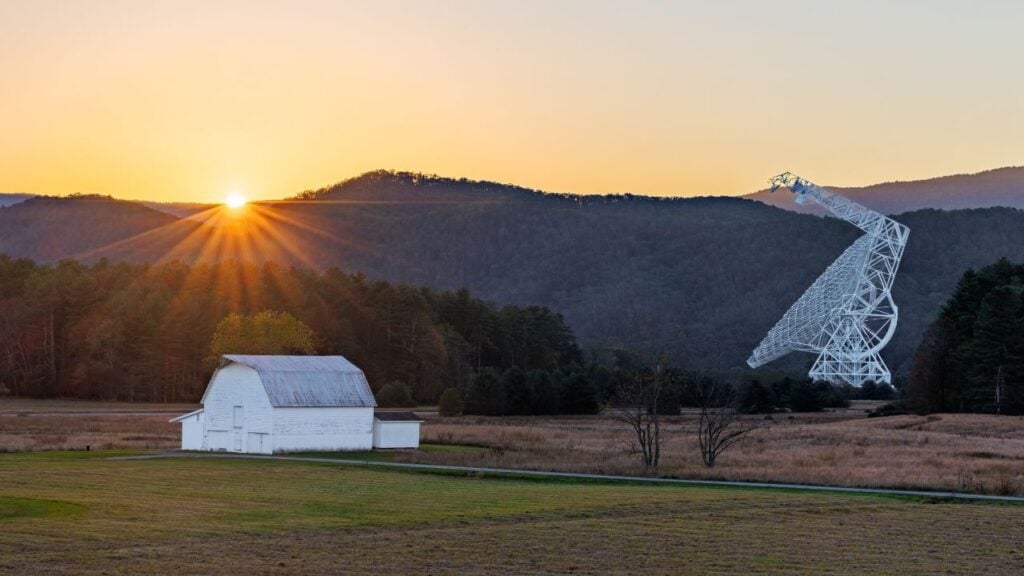
A federally protected radio zone stretching roughly 13,000 square miles covers much of the state’s eastern mountains, centered near the Green Bank Observatory in Pocahontas County.
The zone exists to protect the observatory’s radio telescopes.
That protection limits cell towers, Wi-Fi, and even microwave use for the people who live inside it.
Away from Green Bank, many hollows and ridgelines still lose cell signal for long stretches.
That’s why many drivers swing by the travel plaza counter for a paper map before they lose the signal for good.
5. Sand and an Ice Scraper
Some gas stations along the mountain routes keep a small winter rack near the register, with bags of sand or ice melt sitting next to the ice scrapers.
Mountain grades turn a light snow into a problem fast.
AAA recommends drivers keep sand or cat litter, plus an ice scraper, in the car for exactly that reason.
West Virginia law allows chains on tires whenever snow, ice, or another slick condition calls for them.
Studded tires stay legal there too, from November 1 through April 15.
Grip matters more than power.
That’s why many locals pick up the sand bag at the pump instead of waiting until they’re already sliding.
6. Hand Warmers
Gas station counters keep disposable hand warmers within reach of the register once the weather turns, right along with the gum and mints.
West Virginia’s highest ground can turn cold shockingly fast, even when the valley below still feels like fall.
Spruce Knob rises to 4,863 feet, the highest point in West Virginia and in the whole Allegheny range.
Mountain weather up there can turn quickly, even during fall.
Cold comes fast.
Fingers go numb once the wind picks up.
By mid-October, West Virginia’s color reaches the mid-elevation stretches near Blackwater Falls and Snowshoe, the same window when overlook traffic peaks along Route 33 and the Highland Scenic Highway.
Those overlooks sit high enough that many people swing into the gas station for a pack of hand warmers before they pull off to look.
Psst! How much do you know about West Virginia’s mountains? Take our quiz and see how many you can get right.
Quiz
West Virginia Mountain IQ
Answer these questions on West Virginia’s mountains, bridges, and backroads. We bet you can’t get them all right. Prove us wrong?
Bridge Day, held every third Saturday in October at the New River Gorge Bridge, is the only day people are legally allowed to do what?
7. Extra Wiper Fluid
Gas stations stock extra wiper fluid on a shelf right by the pumps, an easy grab on the way to pay.
Drivers can get caught off guard by how fast fog rolls into the mountains, even after years behind the wheel.
Mountain weather in the state can look different a few miles apart, with rain soaking the lowlands while heavy upslope snow piles up along the ridges.
Visibility drops first.
A dirty windshield and a low washer fluid light turn a foggy overlook into a hazard, so many West Virginians grab extra wiper fluid and a rag first.
6 Things a West Virginia Mountain Town Only Does After Dark
A West Virginia driver's odds of hitting a deer sit at 1 in 46 this year, according to State Farm's newest report.
The average driver nationally faces odds of just 1 in 145.
West Virginia mountain towns look different after dark, and deer are only part of what changes once the sun drops behind the ridgeline.
