
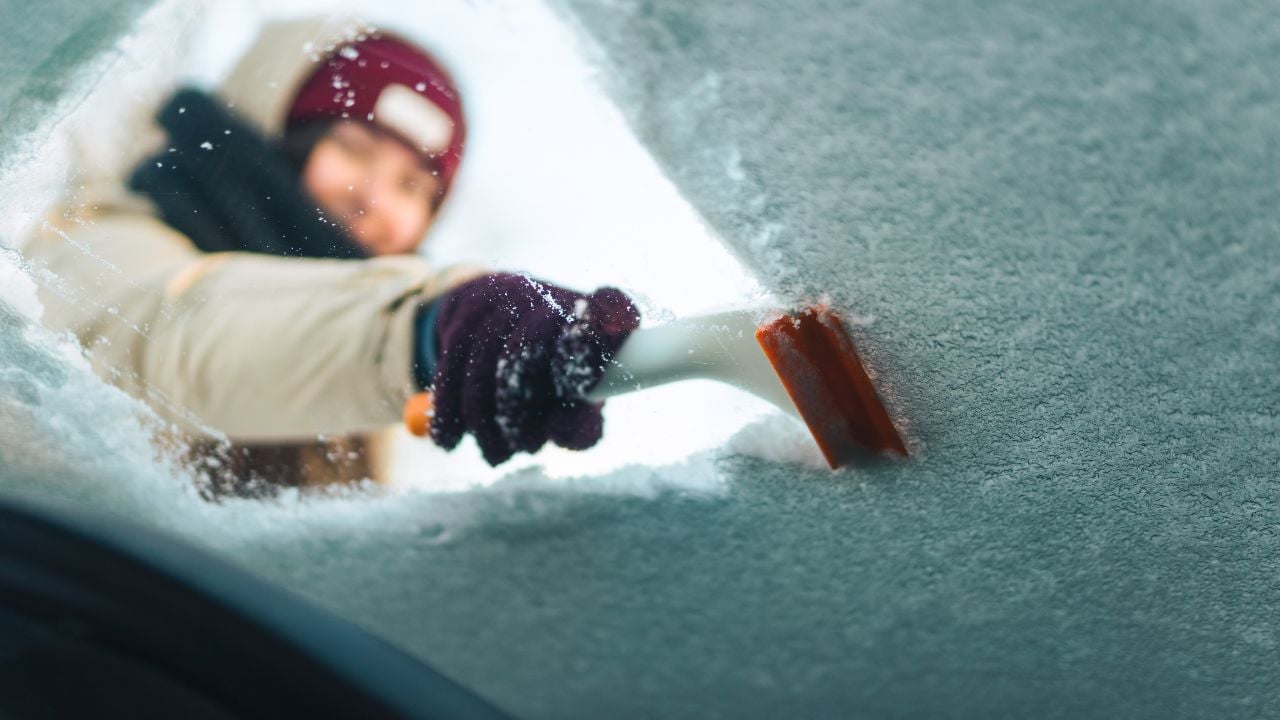
7 Things You Only Learn About a Minnesota Winter by Living Through One

Your car won’t start, and it’s still dark out.
Many Minnesotans know that morning well.
Unfortunately, it’s only one of the lessons a hard winter teaches.
Here’s what you pick up once the cold settles in for the season.
The Sixty-Below Record
Minnesota’s coldest temperature on record is 60 below, logged three miles south of Tower on February 2, 1996.
International Falls has carried the “Icebox of the Nation” nickname for decades, and it’s probably the town you picture when you think of bitter cold.
The record doesn’t belong to it, though.
Forty-four inches of snow had piled up around the thermometer near Tower, lifting the coldest air close enough to measure.
The town also sits in a shallow bowl that collects cold air rolling off the hills around it.
Six days later, the same spot hit 48 degrees above zero, a swing of 108 degrees in less than a week.
Even the Twin Cities aren’t spared: During a 2011 cold snap, the metro’s wind chill bottomed out at 28 below.
So if you’re ever settling a bet, the nickname belongs to International Falls, but the record belongs to an unnamed spot outside Tower.
The Studded Tire Ban
Minnesota effectively bars you from running metal studded tires if you live there, even though the state gets some of the country’s worst ice.
State law caps the stud size and how much of the tire they can cover, a limit tight enough that the tires on your everyday car can’t carry them.
Only two groups qualify for an exception: Out-of-state drivers passing through, and rural mail carriers working under a permit.
Your fix isn’t metal studs.
It’s a proper set of winter tires that you swap on every fall before the first hard freeze.
And ease off on bridges.
They freeze before the rest of the road does. There’s no ground underneath keeping the pavement warm.
The Snow Emergency Shuffle
Minnesota’s two biggest cities regularly call snow emergencies, and Minneapolis runs the version that can catch you off guard if you’re new.
The city rotates parking rules over three days.
Day one clears every snow emergency route.
Day two and day three flip which side of every other street has to sit empty, odd one day and even the next.
Guess wrong, and the city can ticket your car, tow it, or both.
Read the sign first.
Saint Paul runs its version of the same idea, so knowing Minneapolis’s rules won’t cover you for a night parked across the river.
On the signs, red marks a snow emergency route. Green or brown means an ordinary block.
Reading the Wind Chill
The Twin Cities’ coldest wind chill on record happened on January 22, 1936: 67 below.
The air itself only read 34 below. A 20 mph wind did the rest.
Wind chill decides how fast your skin starts to freeze, so that’s the number you want to check, not the plain air temperature.
They’re rarely the same number.
The National Weather Service’s Minnesota office splits the state in two for its Extreme Cold Warning.
If you live north and west of the Twin Cities’ seven-county metro, it takes 40 below to trigger it.
In the metro itself, and the counties south and east of it, 35 below is enough.
So the warning’s name stays the same on both sides of that line, but the number behind it doesn’t.
Minnesota’s Wind Chill Math
Minnesota’s frostbite risk turns on the wind chill number, not the thermometer.
Zero degrees with a 15 mph wind reads as 19 below on the National Weather Service’s scale.
At that number, your exposed skin can start to freeze in about 30 minutes.
On a calm day at the same air temperature, you’d call it almost mild by comparison, which is why the wind chill is the number to watch.
The Salt Cutoff
Minnesota’s transportation department stops leaning on plain road salt once pavement drops below 15 degrees.
Below that line, salt does almost nothing.
Not enough to matter.
Crews switch to calcium chloride or magnesium chloride, which keep working in deeper cold, then add sand for traction once even those chemicals quit.
So here’s how to read the road in front of you: If it stays wet and black, it’s still warm enough for salt to work.
If it turns pale and gritty overnight, the salt has quit working, and your tires are doing the job instead.
And if your back end drifts a little on an overpass, that stretch of road has already gone from wet pavement to bare ice.
The Fish House Deadline
Minnesota gives ice fishing houses an eviction date, and it changes depending on where the lake sits.
A boundary line splits the state in two.
It runs along U.S. Highway 10, then Highway 34, then Highway 200 up to U.S. Highway 2.
If your lake sits south of that line, your shelter has to be off the ice by early March.
North of it, you get about two extra weeks.
If you miss the deadline, you risk a conservation officer citing you, confiscating your shack, or destroying it where it sits.
The shack has to go.
Every lake in the state falls under one of those two removal deadlines, whether the ice under your shack looks safe or not.
Psst! How much do you know about Minnesota winters? Take our quiz and see how many you can get right.
Quiz
Minnesota Winter IQ
Answer these questions on Minnesota winter records, history, and wildlife. We bet you can’t get them all right. Prove us wrong?
A blizzard collapsed the roof of a Minneapolis stadium in December 2010. Which one?
The Block Heater Ritual
Minnesota's cold can turn a parked engine into a problem by morning, not just an inconvenience to drive through.
If you drive a diesel, it can struggle to start once the block hits 25 below.
A gas engine starts fighting you well before that, somewhere around 10 below.
So you run a cord from an outlet to the engine block overnight, plugging in a small heater that keeps the metal warm enough to turn over by morning.
It's not folklore.
It's the difference between a car that starts on the first turn of the key and one that needs a jump before you've had your coffee.
That's why the extension cord across your driveway is the last thing you plug in at night and the first thing you unplug in the morning.
9 Things Minnesota Does Better That Wisconsinites Won't Admit

Minnesota's highway system ranked 11th in the country for cost and pavement condition in a recent Reason Foundation report, while Wisconsin's came in 31st.
The gap might come down to how each state measures, not just the roads themselves.
9 Things Minnesota Does Better That Wisconsinites Won't Admit
10 Minnesota State Fair Foods With Histories Stranger Than Their Ingredients
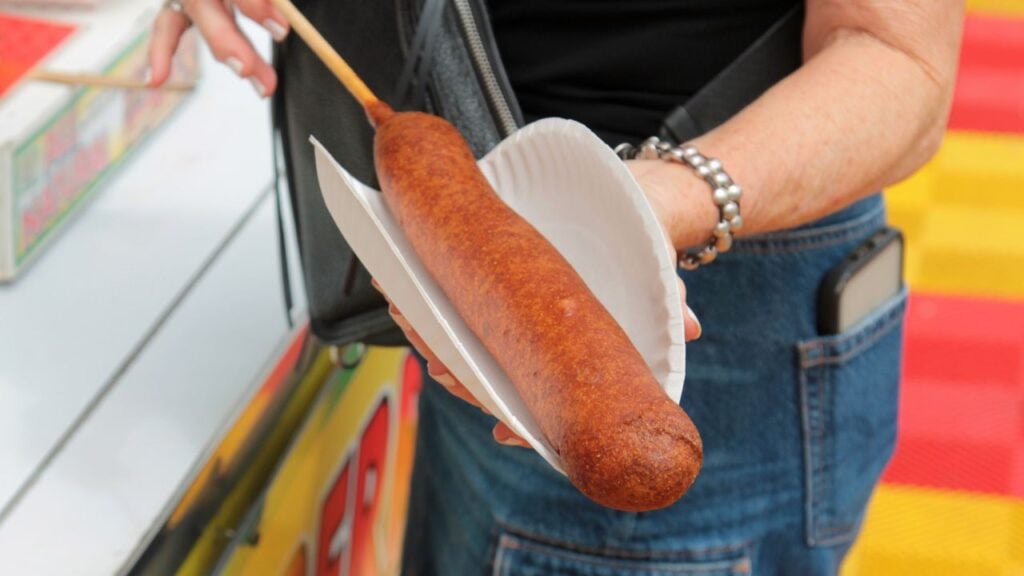
Sweet Martha's out-earned every other food vendor at the Minnesota State Fair in 2024, pulling in close to $4.9 million over twelve days.
The Olsons had applied to sell frozen yogurt, and fair officials handed them a cookie booth instead.
10 Minnesota State Fair Foods With Histories Stranger Than Their Ingredients
