
7 Unwritten Oyster Roast Rules Visitors Break in South Carolina’s Lowcountry

Steam comes off a shovelful of oysters the second they hit the table, and the crowd closes in without waiting to be told.
The sole out-of-stater in the group hesitates.
These are the unwritten oyster roast rules visitors break in South Carolina’s Lowcountry.
1. The Bushel, Not the Dozen
Hosts price a Lowcountry oyster roast by the bushel, never by the dozen a raw bar menu prints.
Hosts and seafood markets along the coast measure a roast in bushels.
One bushel typically covers four to six guests.
It’s bushels, not dozens.
Ask a host to start with a dozen, and you’ll get a confused look.
Nobody at the table counts oysters one at a time once the sack hits the fire.
2. Clusters Not Set Aside
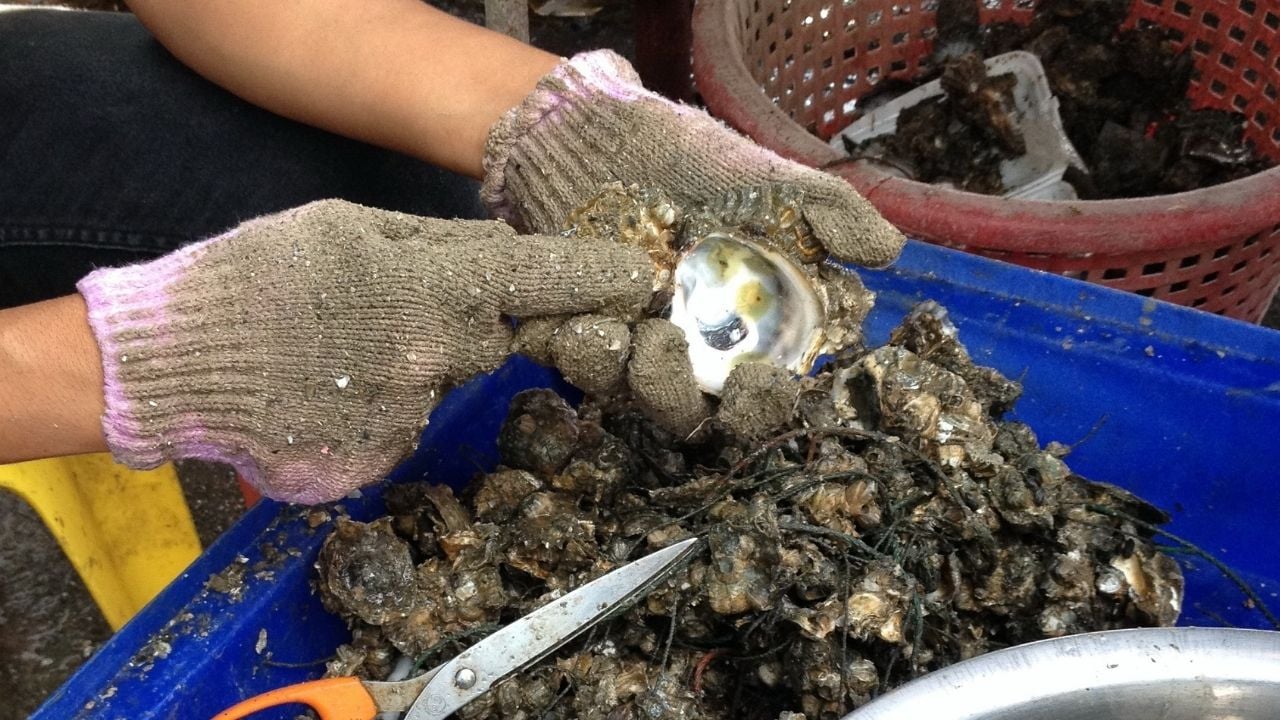
Not every oyster on a Lowcountry oyster roast’s table comes apart on its own.
Some cling together in thick clusters, fused there naturally by South Carolina’s tidal mud.
Wild clusters along the coast can grow past a foot thick before crews break them apart.
Regulars twist or tap a cluster at its base until the shells separate, then work each oyster like normal.
A visitor who has never seen a cluster before often sets it aside instead, assuming it’s spoiled.
It’s not spoiled.
Discarding it means walking away from three or four good oysters still fused together, the same oysters a regular would break apart and eat without a second thought.
3. Your Knife and Glove
Regulars show up to a Lowcountry oyster roast already carrying an oyster knife, an unwritten bring-your-own custom nobody prints on the invite.
Hosts set out extra knives for whoever forgets, but a full roast crowd runs through spares fast.
A visitor who shows up empty-handed still shucks the whole night.
It just isn’t first.
The glove matters as much as the knife.
Regulars wear a heavy rubber or cotton-lined glove on the hand holding the shell because a slipped blade meets skin more often than a first-timer expects.
Some Lowcountry regulars swap that glove for one lined with stainless steel mesh, the same style commercial shuckers wear.
4. Self-Serve Shucking
At a Lowcountry oyster roast, shucking works self-serve, not a job passed off to a hired shucker.
The host sets up a work table, usually plywood over sawhorses with a hole cut for the shells.
Every guest works the pile side by side.
Nobody’s serving you.
A visitor who stands back waiting for a plate to arrive waits through the whole first batch while regulars are already three oysters in.
A few of the bigger charity roasts hire a shucker, but a neighborhood backyard gathering almost never does.
5. Sauce as an Accent
Cocktail sauce, hot sauce, and lemon stay an accent at a Lowcountry oyster roast, never a bath.
Dousing every oyster the second it lands is the fastest way to mark yourself as new to the table.
A light hand wins.
Regulars taste the first oyster plain, straight off the shell, before deciding whether it needs anything at all.
Saltines round out the table more than any other cracker, a plain match for the brine that a fancier cracker just fights.
6. Shells in the Bucket, Never the Yard
Every spent shell at a Lowcountry oyster roast goes through a hole in the table into a lined bucket or bushel basket underneath, never onto the grass.
Many hosts along the coast bag shells separately afterward for South Carolina’s shell recycling program instead of the regular trash pickup.
The city of Charleston says backyard roasts and restaurants can both drop shells at a collection site.
It isn’t the trash bag.
A visitor pitching shells into the garbage or leaving them scattered in the yard skips a step almost every regular takes for granted.
What Happens to a Recycled Oyster Shell
A recycled oyster shell from a Lowcountry roast doesn’t go straight back into the water.
South Carolina holds every donated shell in quarantine for at least six months before crews use it to rebuild a reef.
The wait lets any leftover bacteria or debris break down, so the shell going back out is clean enough to grow new oysters instead of spreading a problem.
7. Oysters as the Starter, Not Dinner
Charleston Magazine’s guide to hosting a Lowcountry oyster roast calls the oysters a starter, not the main course.
Many hosts plan a separate sit-down meal, like chicken bog or a seafood stew, for after the pile winds down.
A visitor who fills a plate high off the first round and calls it dinner misses that second course.
The oysters come first.
Regulars pace themselves through the shells because they know a full meal is still coming, and a plate piled too high early just means less room later.
That’s one more reason to pace yourself: The season itself is short, closing every year once coastal waters warm past 80 degrees.
Psst! How Lowcountry-ready are you for your next oyster roast invite? Run through this checklist and see where you land.
A Newer Tradition Than the Oysters
People have eaten oysters along the South Carolina coast for thousands of years, but a Lowcountry oyster roast as a group event is a far newer tradition.
Charleston Magazine’s historical research into the tradition traces oyster eating back nearly 4,000 years, to Indigenous communities who left shell piles behind as they went.
That’s a long history.
The same research found no record of an organized, communal oyster roast before 1897.
That’s when South Carolina’s Grand Lodge of Ancient Masons held a feast at Remley’s Point on December 13.
Archaeologists have identified dozens of shell middens along the coast that researchers still study today.
Some think a handful may have served as ceremonial gathering sites instead of ancient trash heaps.
That’s more than a century of the same fire-and-burlap routine.
The method goes back even further.
Archaeological digs at Revolutionary War-era campsites along the Pee Dee River have turned up oyster shells among the food debris soldiers left behind.
7 Piggly Wiggly Habits That Instantly Separate South Carolina Regulars From Newcomers

A South Carolina Piggly Wiggly regular picks up habits nobody ever taught on purpose, just years of shopping the same aisles at the same store.
These are the Pig habits that instantly separate South Carolina regulars from newcomers, starting at the meat counter.
7 Piggly Wiggly Habits That Instantly Separate South Carolina Regulars From Newcomers
7 South Carolina Beach Towns That Empty Out the Week After Labor Day

Census data up and down the Grand Strand and the Lowcountry show entire blocks of houses sitting empty much of the year.
These are the South Carolina beach towns that empty out the week after Labor Day, and the numbers behind why.
7 South Carolina Beach Towns That Empty Out the Week After Labor Day
