
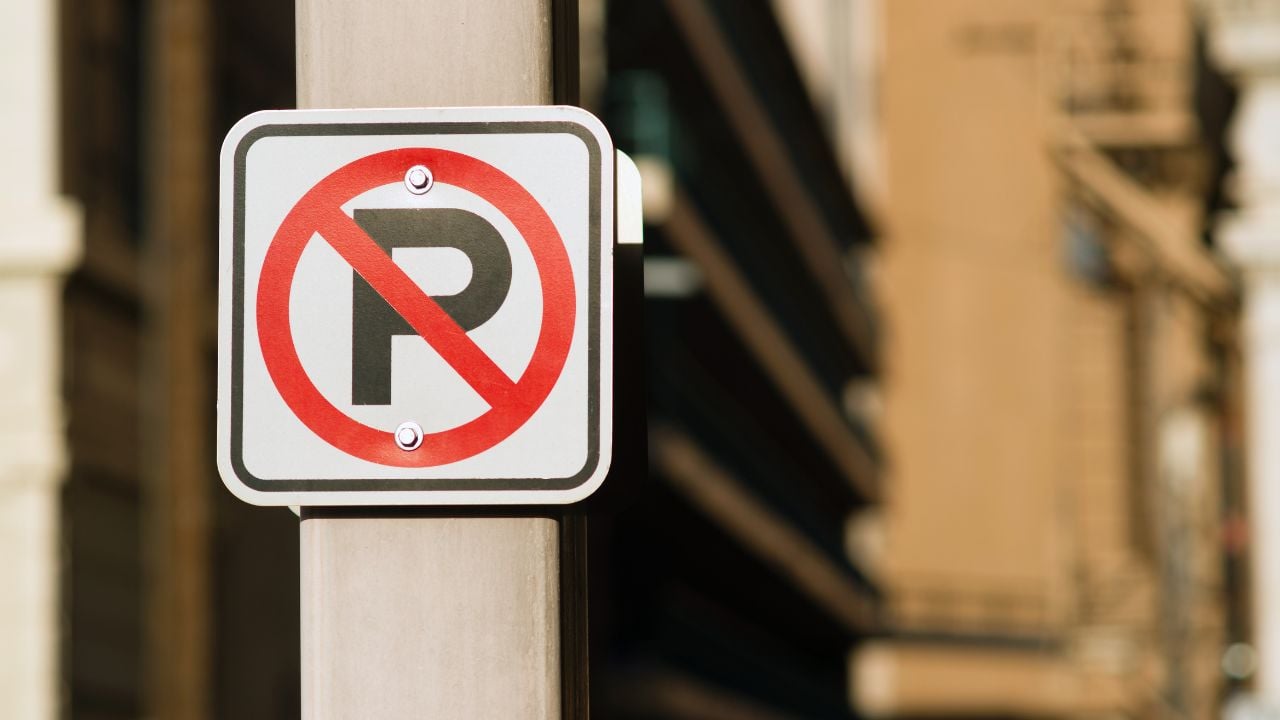
8 Chicago Parking Rules That Cost Illinoisans More Than a Ticket

A single Chicago tow starts at $150. That’s before you pay the parking ticket, boot fee, and daily storage.
The tow is just the opening bill.
These are the Chicago parking rules that cost Illinoisans more than a ticket.
Note: This is general information, not legal advice. Chicago’s parking, towing, and permit rules are subject to change.
1. Skipping Your Residential Zone Permit
Chicago lets aldermen petition for Residential Parking Permit Zones on blocks where outsiders crowd out the people who live there.
Once the signs go up, only vehicles carrying that zone’s number on a City Sticker, or a matching Chicago Residential Parking Daily Permit, can legally park there during restricted hours.
A guest pass runs $15 for a sheet of 15, capped at three sheets every 30 days.
Skip it, and the citation is $75.
Leave that ticket unpaid, and it stops being a one-time cost.
An unpaid zone ticket sits on your plate exactly like any other Chicago citation, adding to the count that decides whether Chicago boots your car next.
2. Letting Three Tickets Go Unpaid
Chicago boots a vehicle once its registered owner racks up three unpaid final tickets, or two tickets sitting unpaid for over a year, in any combination of parking, standing, and camera violations.
That threshold covers the whole city, not one neighborhood.
The boot fee alone runs $100 for a car, or $400 for a truck tractor, semi-trailer, or trailer, and it comes due on top of every fine already owed.
That fee changes nothing.
Every ticket underneath it is still due in full.
Leave the boot on past 24 hours, and Chicago removes it and tows the car to a pound instead, tacking on the standard towing and storage fees below.
Three small tickets can turn into one large bill fast.
3. Skipping Your City Sticker
Nearly every vehicle kept in Chicago needs a current City Sticker, an annual windshield decal separate from the license plate.
Park without one, and the fine is $200 under the city’s own fee schedule, more than triple the $50 fine for an expired meter outside downtown.
Skip the purchase too long, and a second bill follows.
The Office of the City Clerk adds a $60 late fee, $30 for senior-discounted stickers, onto any sticker bought after the 30-day grace period ends.
Tickets can start on top of that, one every 24 hours from the 16th day after expiration, and they keep coming until a new sticker goes up.
Two or three of those add up fast.
4. Parking Too Close to a Hydrant
Fifteen feet is the buffer Chicago requires around every fire hydrant, a rule that also covers marked fire lanes and blocked driveways or alleys.
The fine starts at $150 under the same city fee schedule.
That’s before anything else.
Here’s the part that catches people off guard: These spots exist to keep emergency access clear, so the city treats them as tow-eligible, not just ticket-eligible.
A hydrant mistake can carry the $150 fine, a $150 tow, and $25 a day in storage at the same time.
Three separate bills come from one open curb spot.
5. Taking an Accessible Space Without a Placard
Chicago reserves marked accessible spaces for vehicles displaying a valid disability plate, placard, or device, and the city’s own ordinance sets a fine anywhere from $100 to $500 for parking there without one.
Illinois backs that up at the state level, too.
State law sets a $250 minimum fine for the violation.
Cities may raise that fine as high as $350 by their own ordinance.
The tow comes on top of whichever fine applies.
State law also lets the lot owner have the car removed once police are notified, so the fine and the tow can both land on the same afternoon.
Psst! How would your own parking habits hold up against Chicago’s rules? Run through this checklist and see where you stand.
6. Parking on a Banned Winter Route
Every December, Chicago’s overnight parking ban returns on the 1st, running through April 1 on 107 miles of designated arterial streets.
The forecast doesn’t matter.
It hasn’t started yet this year, but the same routes and hours return this winter, running 3 a.m. to 7 a.m. every night on those streets.
Chicago tows cars left parked there, no matter what the sky is doing.
The bill: A $60 ticket, a $150 tow, and $25 a day in storage until someone claims the car.
Chicago’s Winter Ban Doesn’t Wait for Snow
Many drivers assume Chicago’s overnight ban only matters once snow starts falling, and that assumption is exactly what leaves a car at the pound on a dry January morning.
This season’s ban hasn’t started yet, but the assumption above catches drivers every winter once it does.
7. Parking Through a Posted Street Cleaning Sign
Chicago posts temporary street cleaning “No Parking” signs on hundreds of blocks every season.
Each one turns that stretch of curb into an official tow zone under the city’s own parking code.
A car left there risks more than a citation.
Once a sign has been up for 24 hours, city crews can tow the vehicle to a pound instead of leaving a ticket on the windshield.
The same fees described above apply here too: A $150 minimum tow, plus $25 a day in storage until someone claims the car.
Miss that 24-hour window, and the ticket ends up being the smaller of the two costs.
8. Leaving a Towed Car at the Pound
Storage keeps accruing at $25 or $50 a day, depending on the vehicle’s weight, up to a $1,000 cap once a car reaches a Chicago pound.
Let a vehicle sit past 21 days from the notice of impoundment, and the city can sell it or otherwise dispose of it.
That doesn’t clear the debt.
Every fine, fee, and storage charge tied to the car stays owed to the city even if the car itself is gone.
Handing over the keys doesn’t change that math.
A 15-day extension is available for anyone who calls and asks before that clock runs out.
Chicago accepts cash or a major credit card, Visa, Mastercard, Discover, or American Express, at the pound holding the car.
Chicago stops charging storage the moment that balance is paid and the car leaves the lot.
8 Hy-Vee Return Policy Mistakes That Cost Illinois Shoppers Money

A Moline shopper sets an unreceipted bag of Hy-Vee’s own-brand chips on the counter and asks for a refund, and the clerk reaches for the phone instead of the register.
Hy-Vee has built goodwill across Illinois, but a few return-policy details still trip up shoppers who assume employee-owned always means easygoing.
8 Hy-Vee Return Policy Mistakes That Cost Illinois Shoppers Money
9 Things Illinois and Wisconsin Will Never Agree On

Two National Football League (NFL) teams have squared off 213 times since 1921, and who deserved to win those games is the most public argument Illinois and Wisconsin have never settled.
It’s far from the only one, and the rest of the list runs from cheese curds to which toppings belong on a brat.
