
8 Foods Californians Once Loved That Would Turn Stomachs Today

A California hostess in the 1950s planned her dinner party around what fit in a can and what held its shape on a serving tray.
Every guest cleaned their plate and asked for the recipe.
There wasn’t a fresh vegetable in sight.
These are the foods Californians once loved that would turn stomachs today.
1. Rumaki
California turned rumaki into a party staple once Trader Vic’s put it on the menu.
Victor Bergeron opened the original bar in Oakland in 1934, first as a plain neighborhood spot called Hinky Dink’s.
A trip to Cuba and a look inside Don the Beachcomber’s Hollywood restaurant changed his direction.
He redecorated with Polynesian touches and renamed the place Trader Vic’s.
The name didn’t survive.
By 1941, Don the Beachcomber’s own Palm Springs menu priced rumaki, chicken liver and a water chestnut wrapped in bacon, at $1.35.
Trader Vic’s carried the dish across the state for decades, and California cocktail parties served it as the height of sophistication.
Organ meat, sugar, and bacon, all in one bite.
Chicken liver alone turns off many people today, and a sweet soy glaze over bacon-wrapped organ meat reads more like a dare than an appetizer now.
2. Hangtown Fry
California’s Gold Rush miners turned Hangtown Fry into the ultimate status meal of the 1850s.
The dish takes its name from Placerville, then nicknamed Hangtown, where a prospector who’d struck it rich reportedly asked the Cary House Hotel kitchen for the priciest meal money could buy.
The kitchen combined the three costliest things on hand: Eggs shipped in fragile crates, bacon freighted from the East Coast, and oysters packed in ice all the way from San Francisco.
Nothing on that plate was cheap.
San Francisco’s Tadich Grill later kept Hangtown Fry on its menu for about 160 years straight, carrying the dish long after the mines closed.
Fried oysters scrambled into eggs still confuses people who didn’t grow up eating it, and the brininess doesn’t do the dish any favors with a crowd raised on cleaner flavors.
Not everyone agreed.
3. Cantonese Chicken Salad With Strawberry Dressing
Californians once lined up for the Wilshire Tea Room’s signature lunch on the fifth floor of Bullock’s Wilshire in Los Angeles.
The department store opened its Art Deco tea room in 1929, and it became a fixture for Hollywood’s biggest names alongside everyday shoppers.
Its most famous plate paired a savory Cantonese-style chicken salad with a dressing tinted and flavored like strawberries.
Sweet met savory head-on.
Shoppers ordered it for decades, right through the tea room’s 1993 closing.
A fruit-flavored dressing on chicken salad reads as an odd mismatch to many people who expect a savory dressing on a savory salad today.
Strawberries don’t usually sit next to chicken anymore.
4. Chicken Tetrazzini
California’s chicken tetrazzini turned into a casserole that stuck around for decades, a dish many food historians credit to San Francisco’s Palace Hotel in the early 1900s.
Chef Ernest Arbogast is often credited with naming the dish for opera star Luisa Tetrazzini after her 1905 American debut in San Francisco.
Food historians still argue over the dish’s true origin, though, with some pointing instead to New York’s Knickerbocker Hotel or French chef Auguste Escoffier.
Sherry and cream carried it decades past its debut.
Home cooks across California folded the same combination into weeknight casseroles: Chicken or seafood, buttery cream sauce, sherry, and spaghetti, usually finished with breadcrumbs on top.
The dish peaked again in home kitchens through the 1950s and 1960s, showing up in cookbooks and even frozen dinners.
A can-of-soup sauce over pasta doesn’t land as comfort food anymore, and sherry-soaked chicken casserole reads as heavy, dated fare to a lot of today’s dinner tables.
Comfort food, dated fast.
5. Oysters Kirkpatrick
California’s Palace Hotel gave the world a second odd oyster dish just down the hall from where tetrazzini was invented.
The same chef, Ernest Arbogast, built Oysters Kirkpatrick in the hotel’s Palm Court and named it for the hotel’s manager, Colonel John Kirkpatrick, who ran the place from 1894 to 1914.
The recipe broils oysters on the half shell under a topping of chopped bacon, Worcestershire sauce, and ketchup.
None of it stayed raw.
The dish showed up in California cookbooks for decades, including a 1922 Los Angeles charity cookbook.
Broiling a delicate oyster under bacon and a ketchup glaze strikes many current oyster fans as overkill, since the whole point of a good oyster today is tasting it plain.
The oyster flavor vanished.
Psst! How much do you know about California’s food history? Take our quiz and see how many you can get right.
Quiz
California Food Firsts
Answer these questions on California food history and famous food feuds. We bet you can’t get them all right. Prove us wrong?
Which fast food giant’s very first location was a barbecue restaurant with carhops, not a burger stand?
6. Tuna-Noodle-Potato Chip Casserole
California fed the whole country its canned tuna habit through San Pedro's Terminal Island canneries.
California Fish Co. pioneered the process of canning cooked tuna there in 1903, and competitors StarKist and Chicken of the Sea both grew out of the same waterfront.
At their peak in the 1940s and '50s, Terminal Island canneries alone produced 80% of the twelve million cases of tuna packed nationwide every year.
That's most of the country's tuna, from one stretch of California coastline.
Home cooks turned all that canned tuna into a weeknight casserole: Noodles, canned mushroom soup, and a crushed potato chip topping baked until crisp.
The combination doesn't hold up well against today's expectations, and a mushy noodle bake under a slick of canned soup reads as bland rather than comforting now.
Convenient then.
Soggy now.
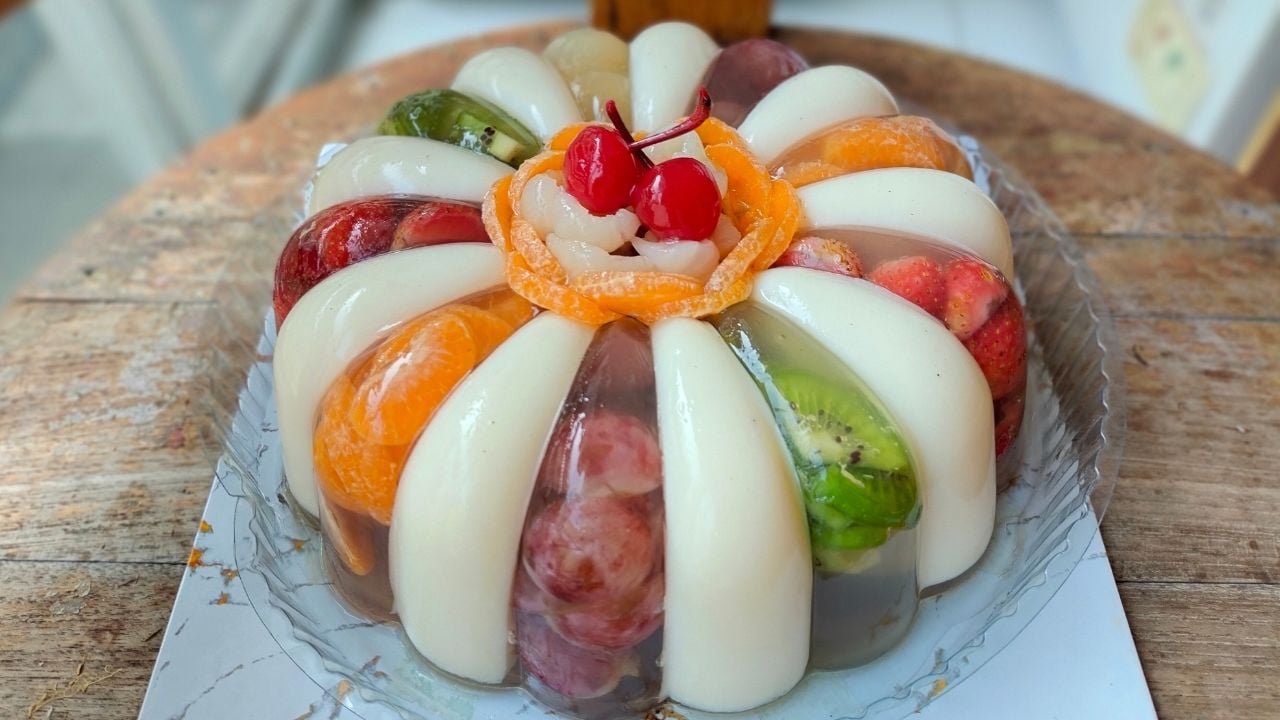
7. Fruit Cocktail Jell-O Mold
California canneries invented the fruit cocktail that turned this Jell-O mold into a lunch table fixture.
San Jose's Barron-Gray Packing Company started selling canned fruit cocktail commercially in 1930, working out the blend with William Vere Cruess, a food scientist at the University of California, Berkeley.
The company built it from bruised peaches, pears, and grapes that couldn't be sold whole, cutting away the damaged parts and dicing the rest for the can.
It had been rejected once.
Del Monte grew out of a cluster of California canneries that merged into the California Fruit Canners Association in 1898.
It eventually ran what was once the world's largest fruit and vegetable cannery in San Francisco.
It followed Barron-Gray with its own fruit cocktail a few years later.
Home cooks folded that canned fruit cocktail into lime Jell-O, then unmolded the whole thing onto a bed of lettuce for a lunch centerpiece.
A wedge of cottage cheese and a maraschino cherry usually finished it off.
A wobbling gelatin ring studded with canned fruit and cottage cheese doesn't read as a proper lunch to many people anymore, since fresh produce beats a can on nearly every table now.
Nobody unmolds it anymore.
8. Fried Grunion
Southern California turned its grunion runs into dinner for generations before anyone thought twice about it.
These small silvery fish wash ashore by the thousands to spawn on California beaches, and residents used to drag bedsheets across the sand to catch as many as they could hold.
That practice ran unchecked until California imposed its first hunting restrictions in 1927.
Free protein, off the sand.
Cooks fried the catch whole in garlic and olive oil, though the strong fishy flavor never fully disappeared no matter the seasoning.
Grunion runs still draw crowds to California beaches every year, but the tradition of eating the catch has faded.
Researchers say few of the fish caught during today's recreational runs make it anywhere near a frying pan.
Not for dinner anymore.
California's Grunion Rules Today
California still allows people to catch grunion outside the closed season, which runs from April through June, when only watching is legal.
Anyone 16 or older needs a fishing license to take grunion home.
The catch itself has to happen bare-handed, with no holes dug in the sand.
The daily limit sits at 30 fish per person.
Why California's Kitchens Turned Away From These Dishes
California's own restaurants pushed the turn away from canned, molded, and casserole-heavy cooking starting in Berkeley in 1971.
Alice Waters opened Chez Panisse on August 28, 1971, building the menu around fresh, local ingredients instead of anything that came out of a can or a freezer.
A pâté and duck dinner ran $3.95 that first night.
The restaurant leaned French at first, then shifted toward what became known as California cuisine through the late 1970s and early 1980s, putting dishes like spicy crab pizza and warm goat cheese salad on the menu.
Farmers and foragers around the Bay Area started growing food just for restaurants like it, and that relationship turned into the farm-to-table movement chefs nationwide still lean on today.
Cans lost to produce.
Farmers markets multiplied across California in the decades after Chez Panisse opened, giving shoppers a fresh alternative to the canned aisle mid-century cooks once leaned on.
A California kitchen today reaches for a ripe peach or a fresh chicken breast before it reaches for a can of soup, the same swap Chez Panisse put on its menu on opening night, August 28, 1971.
9 Ways to Spot a California Transplant Anywhere in America

A California habit doesn't stop at the state line, even after the moving truck pulls into a new driveway a thousand miles away.
Sunscreen in December is just the beginning.
9 Ways to Spot a California Transplant Anywhere in America
8 WinCo Mistakes That Cost Californians Money Every Week
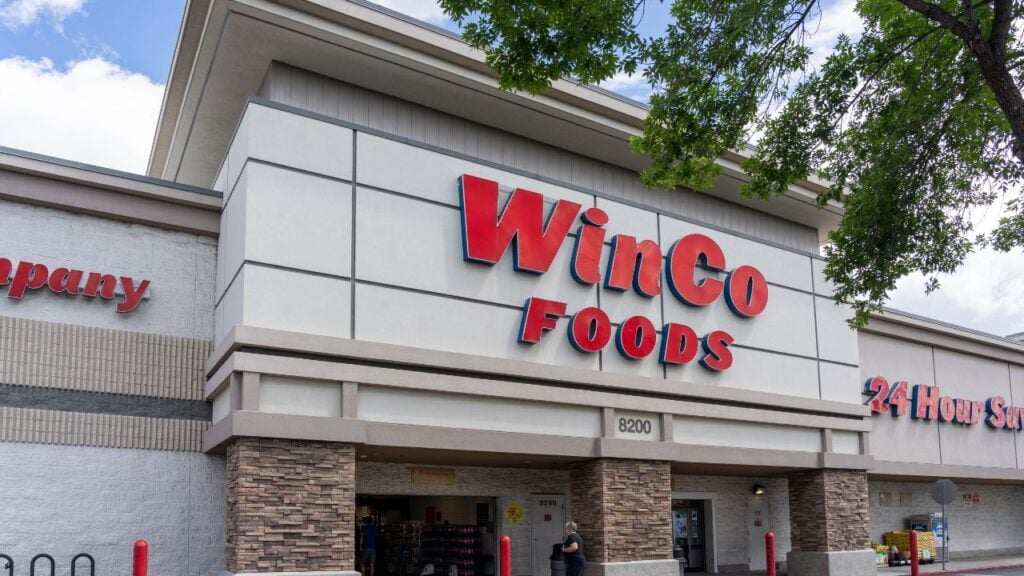
Rice, rolled oats, and gummy bears sit in open bins at a Clovis WinCo, sold by the pound.
Californians love that aisle and still overpay on the way out.
