
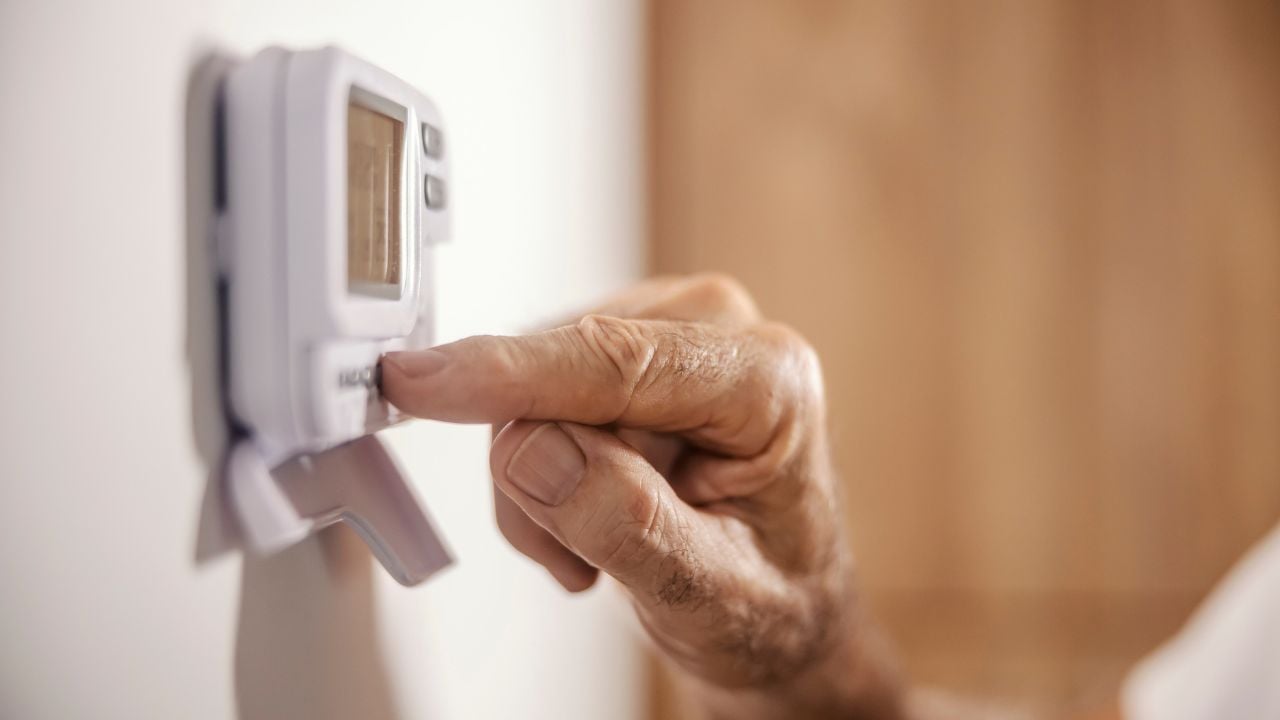
8 Heating Bill Decisions Ohioans Should Make Before Winter Sets In

A Columbia Gas of Ohio customer burning the same amount of gas as in 2024 pays about $41 more per billing cycle for it.
The state’s average gas bill has roughly doubled since 2020, by Signal Ohio’s read of utility rate data.
None of that eases once the temperature drops, and the decisions that change it should happen before then.
These are the heating bill decisions Ohioans need to make before winter sets in.
Note: This is general information, not financial or legal advice. Utility rules, program eligibility, and dollar amounts are subject to change.
1. Locking in a Fixed-Rate Plan
Ohio deregulated its energy market years ago, so almost every household can pick a natural gas or electricity supplier instead of defaulting to the utility’s rate.
That default rate is called the standard service offer, and it moves with wholesale prices.
It tends to rise once winter heating demand kicks in.
The state’s overall average gas bill has roughly doubled since 2020.
The Public Utilities Commission of Ohio (PUCO) runs a free comparison tool called Energy Choice Ohio, which lists every certified supplier’s current price side by side for your utility territory.
Locking in a fixed-rate contract before the cold sets in trades a moving number for a rate that won’t change all winter.
Waiting past the Energy Choice Ohio comparison window means riding the standard service offer through the months it rises fastest.
2. Enrolling in Budget Billing
AEP Ohio, the electric utility covering Columbus and central and southern Ohio, offers a budget billing plan that averages a year of usage into one flat monthly payment.
Duke Energy Ohio, Columbia Gas of Ohio, and AES Ohio, the Dayton-area electric utility, offer the same option.
Instead of a bill that spikes in January and drops in June, the household pays close to the same amount every month.
Utilities typically settle the account once a year, crediting an overpayment or adding a smaller catch-up charge if the estimate ran short.
Enrolling usually takes one phone call or a few clicks in the utility’s online account.
But it’s only open to accounts that are already current, with no past-due balance.
It won’t lower the total owed for the year.
But it turns a February shock into a number a household can plan around every month, not just during the coldest stretch.
Enrolling before the first cold snap gives the utility more months of usage to average, instead of estimating a partial season.
3. Applying for PIPP Plus
Ohio runs an income-based option called the Percentage of Income Payment Plan (PIPP Plus) for households that qualify.
A household at or below 175% of the federal poverty guidelines pays 5% of its monthly income toward gas and 5% toward electric, or 10% total in an all-electric home.
For the 2026-2027 program year, that ceiling works out to about $27,930 a year for a single person and $57,750 for a family of four.
The minimum payment is $10 a month, no matter how small the household’s income is.
Enrollment happens through energyhelp.ohio.gov or a local Energy Assistance Provider, not through the utility.
New enrollees skip the security deposit and the late fees, too.
The Math Behind PIPP Plus’s 5%
PIPP Plus bases an Ohio household’s heating bill payment on income, not on how much gas or electricity it uses that month.
A single adult at the program’s income ceiling, about $2,296 a month, owes roughly $115 toward each bill under the 5% formula, or $230 combined in a two-fuel home.
Stay enrolled and pay on time, and PIPP Plus credits 1/24th of any old balance every month, so two years of on-time payments clears the whole arrearage.
4. Requesting Free Weatherization
Ohio’s Home Weatherization Assistance Program sends a certified crew to an income-eligible home at no cost to the household.
The crew tests for safety issues, repairs or replaces a failing heating system, seals air leaks around chimneys and walls, and adds insulation to attics, floors, and basements.
Eligibility runs at or below 200% of the federal poverty guidelines, about $31,920 a year for one person or $66,000 for a family of four.
Anyone already approved for PIPP Plus or the state’s other income-based heating aid in the past year qualifies automatically.
The Ohio Department of Job and Family Services runs the program now, through the same local Energy Assistance Providers that handle PIPP Plus.
The crew’s repairs don’t stop working once the inspection ends.
A sealed attic and a working furnace cut how much fuel the house burns all winter.
That’s what turns into a smaller number on every heating bill afterward, not just this one.
Waitlists build fast once cold weather arrives.
Apply before it does.
5. Filing a Medical Certificate
Ohio lets a licensed medical professional sign a 30-Day Medical Certificate for any household with someone who’s chronically ill or disabled.
Once a utility receives it, it can’t disconnect natural gas, electric, or water service for 30 days, even on a delinquent account.
A household can use the certificate up to three times in a rolling 12-month period.
It buys time, not forgiveness.
That trade is the decision: 30 days to lock in a fixed-rate plan, enroll in PIPP Plus, or set up a payment plan.
The certificate buys that window instead of losing heat before any of those options are in place.
Whatever’s owed at the end of the 30 days still has to go on an extended payment plan.
The certificate has to reach the utility before disconnection happens, or within 21 days after, to restore service.
6. Applying for Winter Crisis Aid
Ohio’s Home Energy Assistance Program (HEAP) runs a Winter Crisis Program that pays a one-time credit straight to an eligible household’s heating account, opening every year on Nov. 1 and running through March 31.
It’s separate from PIPP Plus, and a household can use it whether or not it’s already on a payment plan.
Applicants document their income and identity through energyhelp.ohio.gov or a local Community Action Agency, the same front door PIPP Plus and weatherization use.
Funding for the season is limited and doesn’t refill once it runs out.
Applying on the first eligible day gives a household the best shot at a credit landing before any disconnection notice does.
A credit that runs out in January still helps the household that applied on Nov. 1, not the household that waited until a disconnection notice forced the question.
Psst! How winter-ready is your Ohio heating plan? Run through this checklist and see where you stand.
7. Tapping a Utility’s Hardship Fund
AEP Ohio, Columbia Gas of Ohio, and the state’s other investor-owned utilities each run a separate charity fund on top of state assistance.
The two rarely overlap in paperwork.
AEP Ohio’s Neighbor-to-Neighbor pays up to $350 toward a bill for a household at or below 200% of the federal poverty guidelines, available Nov. 1 through March 31.
Columbia Gas of Ohio’s HeatShare pays up to $450 once a year for households at or below 300% of the guidelines.
Dynegy Energy Aid, Enbridge Heat Care, and CenterPoint Energy’s assistance fund run similar programs with separate dollar caps and windows.
A household can still apply for one of these funds even if it’s already getting help elsewhere.
PIPP Plus enrollees are the exception on at least one of them: AEP Ohio’s Neighbor-to-Neighbor won’t accept a current PIPP Plus account.
Each fund sets its income cutoff and application window, so a household that misses one utility’s guidelines might still clear another’s.
Check the utility’s page before assuming you don’t qualify.
8. Setting up a Payment Plan
Ohio requires a utility to give a customer at least 14 days’ notice before cutting off gas or electric service for nonpayment.
From Nov. 1 through April 15, a second notice goes out at least 10 days before the disconnection date, on top of the first.
A customer who’s already behind doesn’t have to wait for either notice to act.
PUCO’s Special Reconnect Order opens on a separate schedule, reissued each fall and typically starting in mid-October, then running through April 15.
It lets a customer pay just $175 to avoid or restore service, no matter how much bigger the total balance is.
Restoring service that’s already been shut off can add a reconnection fee of up to $36 on top of that $175.
A customer facing both a gas and an electric disconnection can split that $175 between the two.
Anyone who owes more than $175 still has to enroll in a payment plan for whatever’s left.
Ohio also offers a One-Third Winter Plan across that stretch, which lets a customer pay one-third of the total balance each month instead of the full amount plus current usage.
Call the utility and ask for whichever option fits before the account reaches that point, not after a disconnection notice shows up in the mailbox.
Ask before the notice arrives.
The One-Third Winter Plan doesn’t erase what’s owed when April 15 arrives.
Ohio lets a customer roll any balance still outstanding into a new payment plan once the winter protections end, on terms the utility sets from there.
8 Mistakes Ohio Workers Make in the Final Stretch Before Retirement

An Ohio state worker sits across from a retirement counselor with a stack of forms and thirty years of decisions riding on their next signature.
Retirement counselors say the final stretch is where a lifetime of good saving habits can get undone in a single afternoon.
8 Mistakes Ohio Workers Make in the Final Stretch Before Retirement
8 Self-Checkout Habits That Get Ohio Shoppers Accused of Stealing

Think you’d never leave Giant Eagle with something you didn’t pay for?
More than a third of self-checkout shoppers already have, by accident, and 61% admit they kept walking instead of going back inside.
8 Self-Checkout Habits That Get Ohio Shoppers Accused of Stealing
