
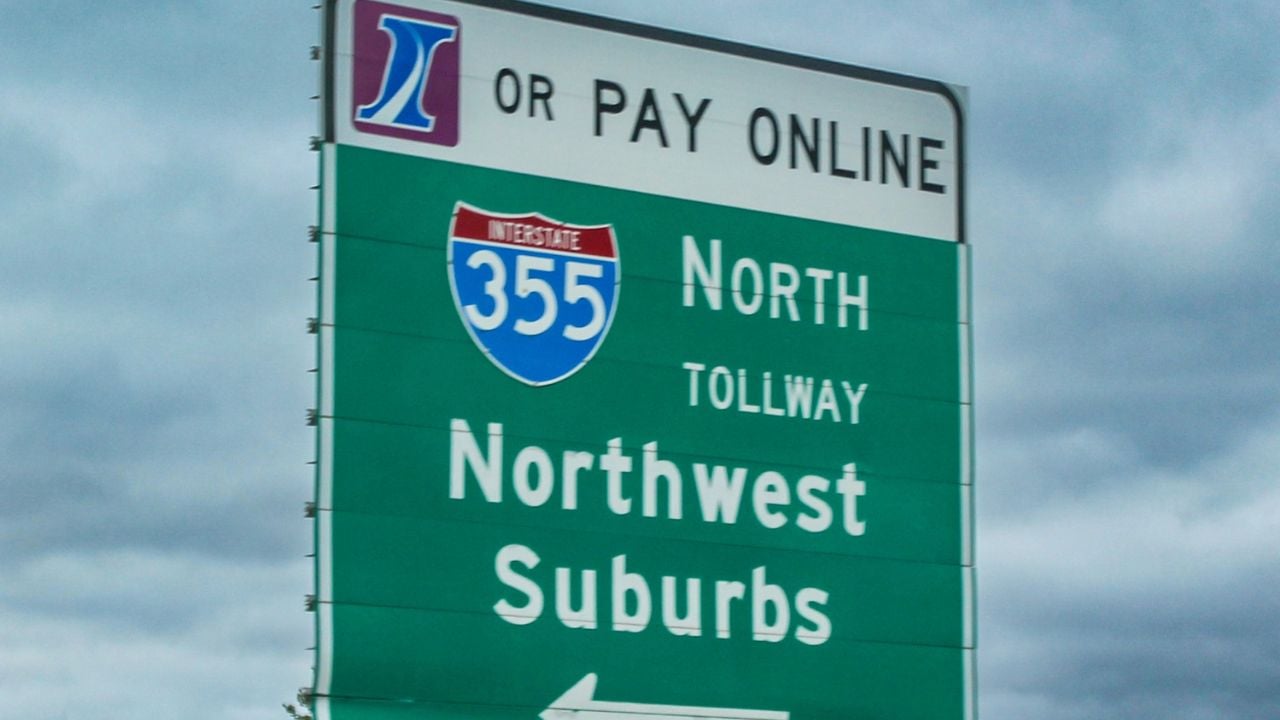
8 Illinois Toll Mistakes That Turn Into a Suspended Registration

Think a single missed toll isn’t a big deal?
It is.
An unpaid toll on the Illinois Tollway rises from a few dollars to a $20 fine per toll in about four months, and Illinois can eventually come for your registration if you don’t pay.
These are the Illinois toll mistakes that turn a handful of skipped tolls into a suspended registration.
Note: This is general information, not legal advice. Toll violation fees and registration suspension rules are subject to change, so confirm the current details with the Illinois Secretary of State.
1. Skipping Your I-PASS
Does the Illinois Tollway still catch a car without an I-PASS transponder?
Every time.
Open-road tolling runs almost the entire system now, so an overhead camera bills that car off its license plate instead of a transponder reading it at highway speed.
That’s the whole point of Pay By Plate.
A driver has 14 days from the trip to pay online or by mail before any fee attaches to that toll.
Miss that window, and the toll becomes the first invoice in a chain that can end, eventually, in a suspended registration.
That’s not a parking ticket.
It’s a registration problem.
2. Letting Invoices Pile Up
The Illinois Tollway mails a first invoice around 30 days after an unpaid toll, adding a $3 fee per toll for passenger vehicles.
A second invoice follows around day 60.
It’s just a reminder, no new fee attached.
By the third invoice, near day 90, another $5 per toll lands on top of the first.
The fees add up.
That original toll doesn’t grow.
Everything wrapped around it does.
3. Ignoring a Violation Notice
The Illinois Tollway’s invoice stage ends around day 120.
A formal Notice of Violation replaces it, issued through the Tollway’s Violation Enforcement Services division.
Every toll on that notice now carries a $20 fine.
That notice cites the plate-camera image from one of the tolls it covers, so a driver can see exactly which trip triggered it.
Illinois treats every toll on that notice as a different kind of debt from here on: no longer a simple invoice, but a formal violation.
4. Missing Your Hearing Deadline
A Notice of Violation from the Illinois Tollway gives a driver a set window, roughly a month, to pay in full or request a hearing.
Let that window close without doing either, and Illinois treats it as an admission of liability.
There’s no hearing after that.
The chance to argue the ticket is gone.
That fine becomes a Final Order of Liability, one more mark the Illinois Tollway can count toward something bigger.
5. Racking up Five Violations
One unresolved violation doesn’t put an Illinois registration at risk.
Five do.
Illinois law lets the Illinois Tollway certify a driver to the Secretary of State once five violations sit unpaid past a Final Order of Liability.
That’s the actual threshold, not an estimate.
Four violations, however messy, still leave a registration alone.
The Law Behind Illinois’ Threshold
Illinois spells the five-violation rule out by number, in 625 ILCS 5/3-704.2, part of the Illinois Compiled Statutes (ILCS).
A driver facing an impending suspension can still request a hearing to contest it. That filing costs $20 through the Illinois Secretary of State.
Paying off the debt works too.
The Illinois Tollway notifies the Secretary of State once the fines are satisfied. The suspension lifts from there.
6. Ignoring an Impending Suspension
The Illinois Secretary of State doesn’t suspend a registration without warning first.
Once the Illinois Tollway certifies five unpaid violations, the Secretary of State mails a Notice of Impending Suspension to the address on file.
That letter states a deadline.
Pay the balance or request a hearing before that date, and the suspension never takes effect.
Some drivers miss it anyway.
Illinois moves forward with the suspension exactly as the letter said it would.
7. Not Updating Your Address
Illinois requires a driver to notify the Secretary of State in writing within 10 days of a change of address.
Skip that step, and every notice tied to a toll violation still goes to the wrong place.
The invoice goes there.
So does the Notice of Violation, the Final Order, and the impending-suspension letter.
A driver can cross the five-violation line without opening a single envelope.
By the time a piece of mail catches up, the registration is already suspended.
8. Driving an Unassigned Rental
The Illinois Tollway bills a rental car’s tolls to the license plate first, not to the driver behind the wheel.
Rental companies can reassign an Illinois Tollway violation to whoever rented the car, but only when the rental agreement includes toll language the Illinois Tollway has approved.
When that paperwork doesn’t line up, the violation just keeps riding on the plate.
Nobody pays it.
It moves through the same stages any other unpaid toll does, through invoices, into a formal violation, and eventually toward the same five-violation threshold that puts a registration at risk.
Psst! Want to see exactly where an unpaid Illinois toll turns into a registration problem? Tap through the stages below and find out.
The I-PASS Assist Program
The Illinois Tollway runs a program called I-PASS Assist for drivers who qualify by income.
It’s built to keep exactly this cycle from starting.
Enrolled drivers get 50% off every toll, no transponder deposit, and an account that opens with as little as $4.
Eligible customers already carrying invoice fees may have those fees dismissed once they enroll.
A clean slate.
Illinois residents qualify with household income up to 250% of the federal poverty guidelines, and nonresidents who pay Illinois income tax can qualify too.
The Illinois Department of Revenue verifies eligibility, or a driver qualifies instead through current enrollment in a state cash or food assistance program.
Many drivers who fall behind on tolls have never heard of it.
Even fees already added to an old invoice can be dismissed once enrollment goes through.
10 U.S. Towns Where Residents Still Get Their Mail in an Unusual Way, including 2 in Alaska
Mail carriers on one Wisconsin lake still leap off a moving boat to make deliveries, and nobody there thinks twice about it.
A handful of U.S. towns still get their mail in unusual ways, including two stops in Alaska unlike any postal route closer to home.
10 U.S. Towns Where Residents Still Get Their Mail in an Unusual Way, including 2 in Alaska
