
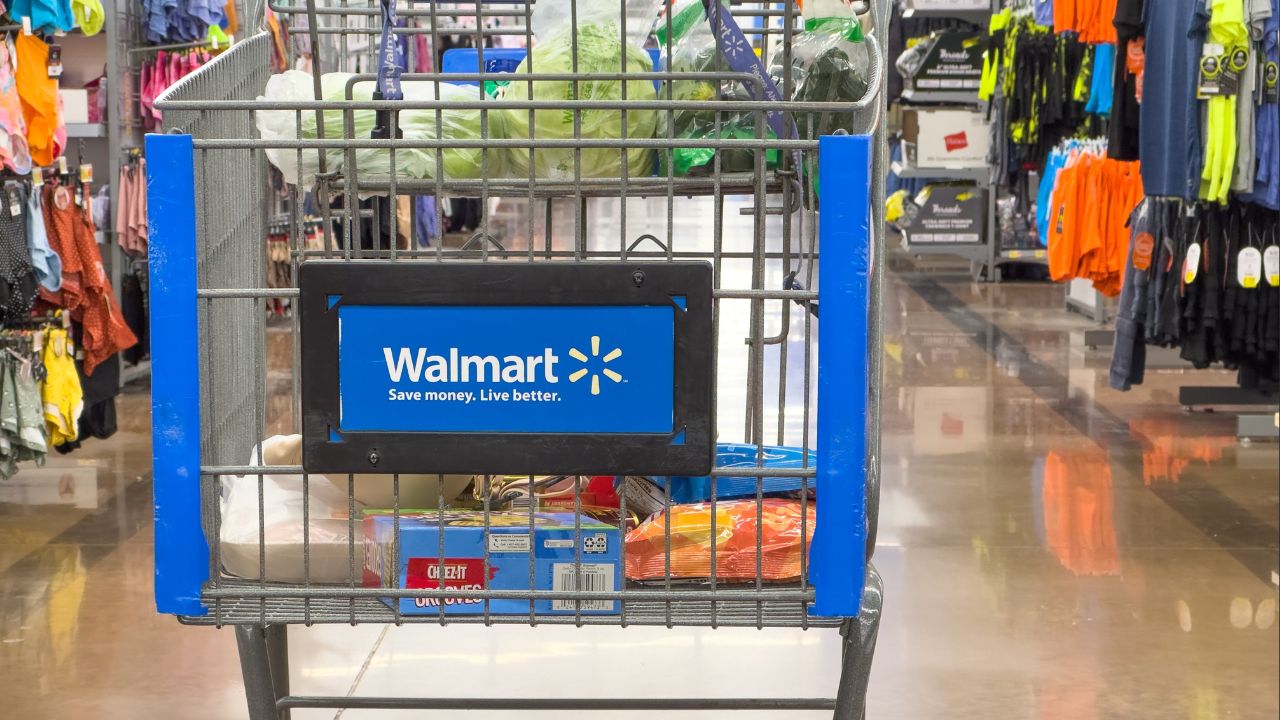
8 Precautions Virginians Should Take When Shopping at Walmart

Thanksgiving is the meal where everybody at your table seems to have an extra strong opinion about the food in front of them.
Nobody will ask how the groceries got home from Walmart or how long they waited for a spot in your refrigerator, though.
That part matters.
Here are the precautions Virginians should take when shopping at Walmart.
Note: This is general information, not legal advice. Store policies, food-safety guidance and state rules are subject to change.
1. Watching for Recall Alerts
Walmart says it works to block a recalled item from being sold and to remove it from its stores.
That doesn’t reach the jar already in your pantry.
It shares recall news through official websites and direct email notifications, and it points you to the Food and Drug Administration (FDA) and the U.S. Department of Agriculture (USDA) for recalls.
If a text claims your groceries are recalled, stop before you tap.
Walmart doesn’t send text messages about product recalls, so that’s a red flag.
If the text asks you to click, you can screenshot it and email it to OnlineAbuse@walmart.com.
2. Declining Substitutions
When something in your Walmart pickup or delivery order is out of stock, Walmart offers you a similar item, and you can say no.
The email gives you a limited time to respond, and if you don’t accept or decline, Walmart substitutes the item anyway.
You pay the price of any substituted item, so a pricier swap lands on your card.
To skip that, you can mark the items you don’t want replaced while you check out, and Walmart removes an out-of-stock item from your order instead.
If you’re picking up, you can also tell the associate at the store to remove a substitution you don’t want.
Delivery works differently.
Drivers can’t take the item back to the store, so you’d start a return from Purchase History in the Walmart app.
3. Checking Infant Formula Dates
If you buy infant formula at Walmart, a Virginia rule is on your side.
The Virginia rule treats formula sold past its expiration date, or with no date at all, as a product “unfit for food.”
Each container also has to show, in plain terms, the calendar month and year after which the formula can’t be sold or used.
So before a can goes in your cart, you can check that date at a glance, and if it’s missing, you can leave the can on the shelf.
7 Biscuitville Orders Virginians Line Up For
Biscuitville fans already have a favorite order.
Here’s what they line up for.
7 Biscuitville Orders Virginians Line Up For
4. Fees SNAP Won’t Cover
Fees on a Walmart pickup or delivery order can’t come out of your Supplemental Nutrition Assistance Program (SNAP) balance.
The USDA says benefits can’t pay for fees of any type, such as delivery, service or convenience fees.
If your order carries one, you’ll want a second payment method ready so the fee doesn’t catch you off guard at checkout.
Fees aren’t the only thing SNAP skips, so keep this list in mind while you fill your cart.
What SNAP Covers at Walmart
A SNAP order at Walmart can cover any food for your household, such as fruits, vegetables, meat, dairy and breads.
Foods that are hot at the point of sale don’t qualify.
If your cart holds beer, wine, liquor, pet foods or nonfood items such as cleaning and paper products, you’ll need another way to pay for those.
A Supplement Facts label marks an item as a supplement, and supplements aren’t eligible.
5. Keeping Raw Meat Apart
Walmart trains its associates to bag raw proteins in meat bags, apart from other foods.
The FDA wants raw meat, poultry, seafood and eggs apart from other foods in your cart, grocery bags and refrigerator.
That includes your eggs, so keep that carton away from your bread, and keep raw meat and seafood from touching ready-to-eat foods like bagged salad.
Psst! How much do you know about Virginia’s grocery rules? Take our quiz and see if you can ace it.
Quiz
Virginia Grocery IQ
Answer these questions on Virginia grocery taxes, date labels, and store rules. We bet you can’t get them all right. Prove us wrong?
Virginia’s price-gouging law for necessary goods applies to sales in an area under what?
6. Refrigerating Groceries Quickly
Chilled and frozen groceries from your Walmart order belong in the refrigerator or freezer as soon as possible.
If you choose contactless delivery, you're the one who has to retrieve and stow your order as soon as possible.
The FDA says to refrigerate or freeze meat, poultry, eggs, seafood and other perishables within two hours of purchase.
When it's above 90 degrees outside, that window shrinks to one hour.
If you've got other errands, you can run them before your pickup slot, not after.
7. Reading Date Labels
Walmart's food safety guide explains that the date on a package can mean a few different things.
A Best If Used By date shows when an item is at peak quality, but it isn't an expiration date.
A Use By or Freeze By date is the one to take seriously.
It marks a time- or temperature-sensitive product that you should use or freeze by then.
At the deli counter, a fresh-sliced meat or cheese item may carry today's date, which is the day it was sliced, not an expiration date.
So when a date catches your eye in the aisle, check which kind it is before you decide the package is bad.
8. Checking Inspection Reports
Your Walmart answers to the same Virginia food rules as any other grocery store, including an inspection and a permit before it operates.
The Virginia Department of Agriculture and Consumer Services (VDACS) posts a list of recent inspections with each store's name, address, inspection date and result.
If you're stocking up on perishables, you can look for your store by name and address before you shop.
A result of No Action Indicated means the store is in substantial compliance.
4 Wild Animals Virginians Can Be Fined for Feeding

Tossing food to a wild animal can seem harmless.
Depending on the animal, it can come with consequences.
