
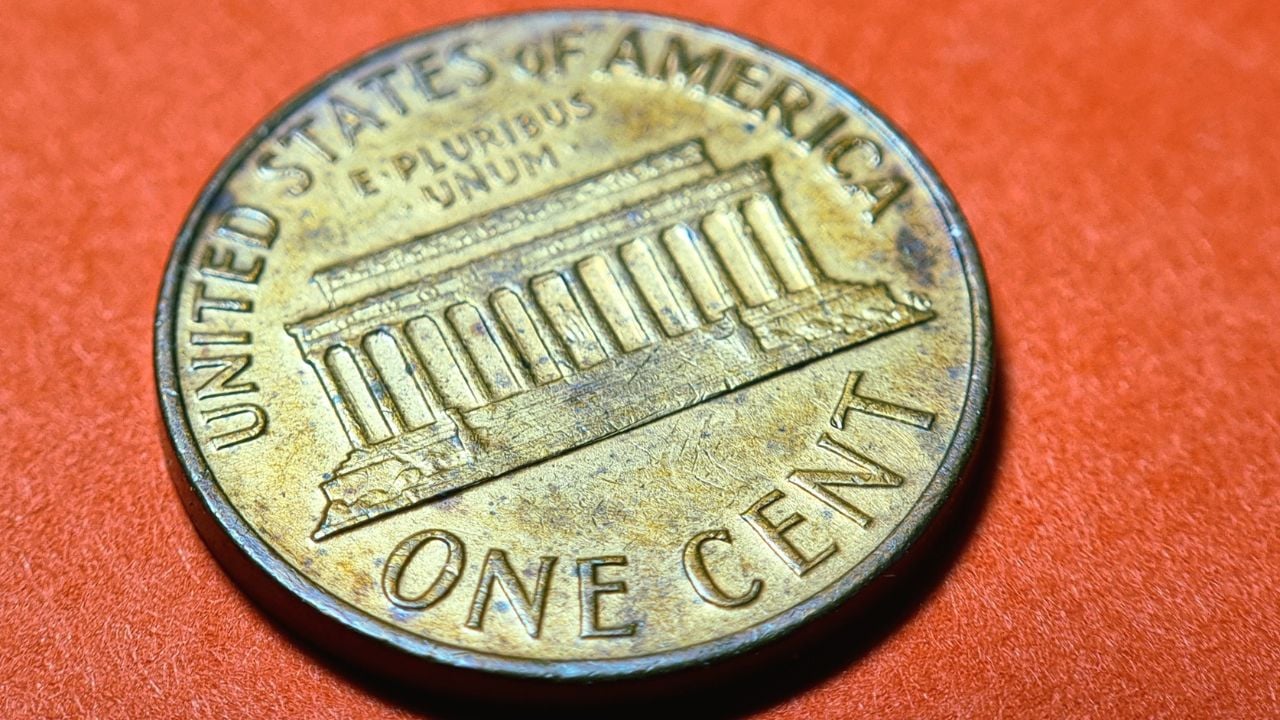
8 Rare Pennies That Could Be Worth a Fortune for Floridians Today

Most Floridians ignore pennies. We leave them at checkout counters and let them rattle around in our car next to old receipts and Wendy’s napkins.
But certain pennies can bring in more cash than a brand new SUV.
You don’t need special tools or insider connections to find rare pennies. You just need to slow down and actually look at your coins before you toss them into a jar.
Here are some of the pennies that can give shocking paydays to those who pay attention.
The 1943 Bronze Lincoln Penny That Wasn’t Supposed to Exist
World War II pushed the U.S. Mint to switch from copper to zinc-coated steel pennies in 1943 so manufacturers could use copper for military gear. Most 1943 pennies look silver and stick to magnets.
Mint workers accidentally fed a few leftover bronze blanks from 1942 into the presses.
Those mistakes created the famous 1943 bronze penny.
Collectors rank it among the most valuable Lincoln cents ever made. Verified examples have brought hundreds of thousands of dollars and sometimes more at major auctions.
Quick tip: Grab a magnet and test any 1943 penny you find. If it doesn’t stick, put it aside and send it to a professional grader.
The 1909-S VDB Penny That Sparked Collector Demand
The Mint released the first Lincoln cent in 1909 and placed designer Victor David Brenner’s initials, VDB, on the reverse. Public complaints pushed officials to remove the letters fast.
The San Francisco Mint had already struck a limited batch with the initials still on the coin. That short production run created an instant key date.
Collectors still chase the 1909-S VDB aggressively. Even circulated examples can bring strong four-figure prices, while sharp coins climb much higher.
Quick tip: Look for the S mint mark on the front and the VDB initials on the reverse bottom. You need both for the premium version.
The 1955 Doubled Die Penny Everyone Can Spot
Die makers misaligned the design during die creation in 1955 and produced a doubled image on the front. The presses then stamped thousands of coins with that flawed die.
The date and lettering show bold, clear doubling. You can see it easily on LIBERTY and IN GOD WE TRUST without fancy equipment.
Collectors love this coin because the error jumps right out at you. Strong examples often sell for tens of thousands of dollars.
Quick tip: Look for thick, clearly doubled letters and numbers. Ignore minor shadowing or flat looking spread, which usually points to common machine doubling.
The 1944 Steel Penny That Should Have Been Copper
The Mint returned to copper pennies in 1944, but workers accidentally struck a few coins on leftover steel blanks from the prior year.
Those mistakes produced 1944 steel pennies that look silver instead of copper. Collectors treat them as major rarities.
Auction houses have sold authenticated examples for six figure prices depending on condition and mint mark. They rank as one of the most dramatic wrong metal errors in U.S. coins.
Quick tip: Test any silver colored 1944 penny with a magnet. If it sticks, stop handling it and get expert authentication.
The 1922 No D Penny With The Missing Mint Mark
The Denver Mint produced all Lincoln pennies in 1922, so every normal coin from that year should show a D mint mark. Worn and clogged dies erased the mint mark on some strikes.
Those coins created the 1922 No D varieties that collectors study closely today. Some versions bring strong premiums while others don’t.
Specialists examine strike strength and die markers to separate valuable coins from minor weak strikes.
Quick tip: Don’t rely on the missing D alone. Compare die details with trusted references or send the coin for professional attribution.
The 1877 Indian Head Penny That Leads The Set
Collectors treat the 1877 Indian Head cent as the key date of the entire series. The Mint produced far fewer coins that year than in surrounding years.
Heavy circulation wore many of them down, which makes high grade survivors tough to find now. Demand stays strong across all condition levels.
Even worn examples often sell for four figure prices. Attractive coins can reach much higher numbers.
Quick tip: Check the date carefully with magnification and confirm authenticity with a grading service because counterfeit dates show up often.
The 1914-D Penny That Draws Alterations
The Denver Mint struck a limited number of pennies in 1914, and collectors have chased them ever since. Strong demand also attracts counterfeiters and coin doctors.
Some people add fake D mint marks to common coins to create forgeries. Experienced buyers and graders catch many of these alterations.
Genuine 1914-D pennies in solid condition can bring thousands of dollars in today’s market.
Quick tip: Treat every raw 1914-D as suspicious until a respected grading service verifies it.
The 1931-S Penny Depression Era Collectors Saved
Low economic activity during the Great Depression reduced coin production in 1931. The San Francisco Mint struck a relatively small number of pennies that year.
Collectors recognized the low mintage early and saved many examples. That early saving kept more high grade coins in the market.
The 1931-S still earns semi key date status and commands strong prices for well preserved pieces with original color.
Quick tip: Focus on eye appeal and color. Bright, minimally worn examples bring much stronger prices than dark, damaged ones.
What To Do If You Think You Found a Rare Penny
Don’t clean it. That’s the number one rule.
Cleaning usually lowers its value and sometimes destroys it.
Furthermore, store the penny safely in a holder instead of a loose drawer or pocket. Scratches and friction don’t help resale value.
Then, compare the penny with reputable coin references and major auction photos. Don’t rely on random viral posts (they tend to call everything rare in the name of getting views).
If your penny still looks promising, send it to a professional grading service.
Reality Check
Most pennies are still worth one cent.
But a tiny handful are worth a fortune, and they only get found by people who actually stop and look.
There’s no better time to get started than now.
Wish You Were Born in a Different Decade?
From big bands to big hair, our playful Decade DNA Quiz reveals which classic American era fits your personality best. It’s fast, fun, and full of vintage flair.
Meet Your Match. Discover Your Decade DNA. (Your Vintage Roots Are Showing)

