
8 Reasons People Are Leaving North Carolina in 2026

North Carolina gains more movers than almost any state in the country.
It also loses hundreds of thousands of its own residents every year.
Some chase a job, but many chase a cheaper zip code.
These are the reasons people give when they leave North Carolina behind.
Note: This is general information, not financial, tax, or insurance advice. Rates and dollar amounts are subject to change.
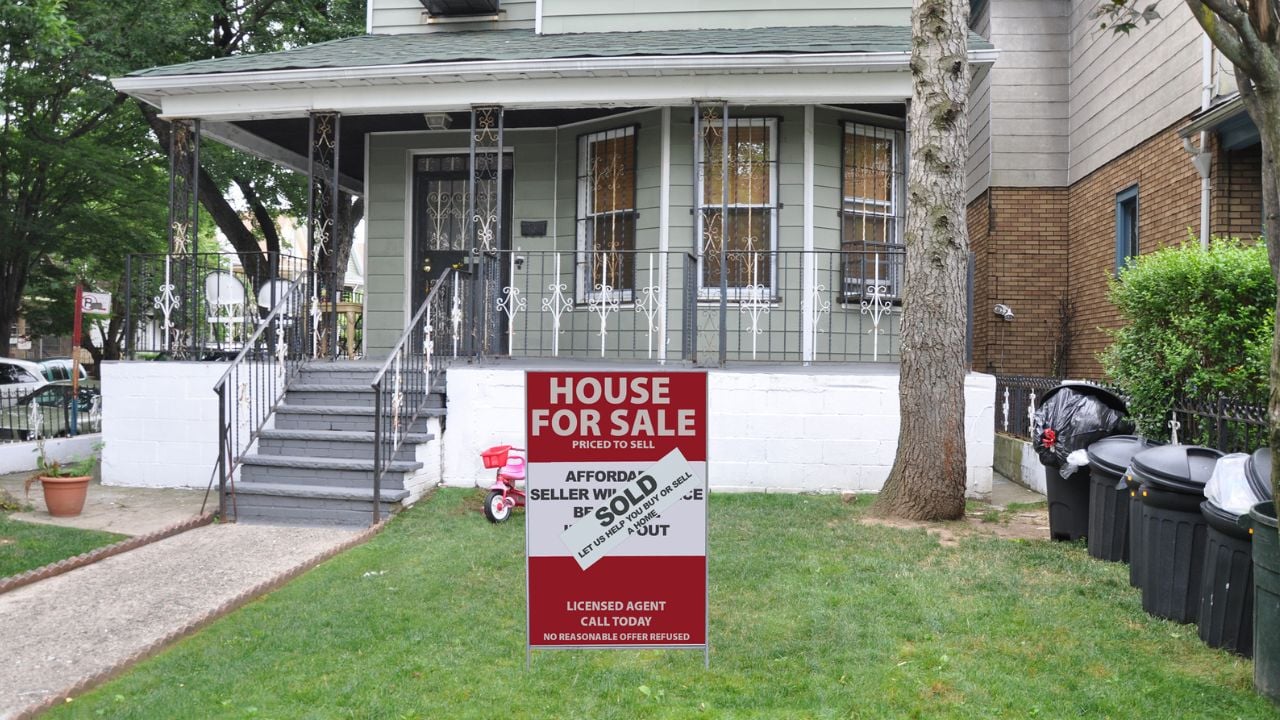
1. Priced Out of a Home
For many North Carolinians, the reason to leave starts with the price of owning a home.
A typical home in Raleigh now runs about $436,000, and it goes under contract in roughly 19 days.
Charlotte and Asheville aren’t far behind.
Ten years ago, those numbers were unthinkable for most buyers.
Renting offers little relief, with the typical rent statewide near $1,800 a month.
Paychecks didn’t keep pace.
So a teacher in Wake County or a nurse in Mecklenburg does the math, sees a 30-year commitment they can’t swing, and starts looking one state over.
2. Home Insurance Jumped
Even North Carolinians who bought years ago are getting priced out as insurers push their rates up.
They asked state regulators for an average jump north of 42 percent, and some coastal territories wanted close to double.
That’s not a typo.
Commissioner Mike Causey knocked it down to 15 percent spread over two years.
Even so, the beach areas of New Hanover, Brunswick, and Pender counties still take a 31.9 percent hit.
Add wind and flood coverage near the Outer Banks, and the yearly bill can rival a mortgage payment.
3. Revaluation Sticker Shock
North Carolinians get the same squeeze from the county tax office.
When Wake County reassessed its homes, values jumped an average of 50 percent.
Suburbs took it harder, with Holly Springs up 58 percent and the town of Wendell up 65 percent.
Mecklenburg County’s last revaluation ran about 51 percent too.
Higher values mean higher bills, even when a county trims the rate.
Owners can appeal the value, but the window closes fast.
A retiree on a fixed income opens the notice and finds a number their pension can’t cover.
Same house. Bigger bill.
4. Traffic and Toll Lanes
Getting anywhere in North Carolina’s big metros wears people down long before they ever tally the cost.
Forbes ranked Charlotte the second-worst commute in America, with the average drive near 28 minutes.
Rush hour never lets up.
Drivers crawl up I-77 toward Lake Norman and stack up where I-485 meets I-85.
The Research Triangle isn’t far behind, with I-40 packed from Durham to Raleigh most mornings.
On I-77, toll lanes let you buy your way out at a price that shifts by the minute.
Psst! How much do you know about the Tar Heel State? Take our quiz and see if you can ace them all.
Quiz
Tar Heel State IQ
Answer these questions on North Carolina geography, history, and hometown trivia. See if you can ace all nine.
Which everyday soft drink was invented in New Bern, North Carolina?
5. Mountains After Helene
Western North Carolinians got the biggest reason of all for wanting to leave North Carolina in a single night.
Hurricane Helene tore through the mountains in late September 2024, washing out roads, bridges, and whole neighborhoods.
State officials pegged the residential repair need alone at more than $12 billion.
Recovery is measured in years.
Asheville, Swannanoa, and Chimney Rock took the brunt, and stretches of Interstate 40 near the Tennessee line stayed closed for months.
Some homeowners rebuilt, but many took the buyout and left the water behind.
6. Growth Never Slowed
All the newcomers filling North Carolina are squeezing longtimers out.
The state added roughly 146,000 residents in a single year, third only to Texas and Florida.
That's a city the size of Cary showing up every twelve months.
Two-lane roads, small schools, and older water systems weren't built for it.
Something has to give.
A family that moved to Apex for room to breathe now counts new rooftops where pastures used to stand.
7. Retirement Income Gets Taxed
Retirees do the tax math on North Carolina and find a catch.
The state leaves Social Security alone, but it taxes withdrawals from a 401(k), an individual retirement account, and most pensions.
That happens at a flat 3.99 percent in 2026, down from 4.25 percent the year before.
Pull $40,000 from a retirement account, and that's roughly $1,600 owed to the state.
It adds up.
The rate is falling, yet someone on a fixed income notices every point of it.
Tennessee and Florida tax no income at all, while Georgia waives tax on most retirement money after 65.
8. Cheaper Right Across the Line
When North Carolinians finally go, most don't go far.
About 241,000 residents left for another state in a single year.
South Carolina took the biggest share at 33,200, followed by Florida and Virginia.
Together, those three states drew a third of everyone who left.
Fort Mill and Rock Hill fill up with Charlotte workers who kept their jobs and crossed the state line.
Same job, smaller tax bill.
Retirees who wanted the coast without the price tag head for Myrtle Beach.
The pull is plain, and it sits one exit down I-77 or one bridge over the Catawba.
For a household priced out of Charlotte, a South Carolina address a half-hour away can shave thousands off the year.
The Boom Is Cooling
North Carolina's net gain from other states landed near 84,000 last year.
That's down from a peak of about 104,000 during the pandemic rush.
Builders never caught up with the crowd, so prices stayed high anyway.
The state's population has now passed 11 million residents.
The rush isn't over.
Only Texas and Florida added more people last year.
Both of them tax no income at all.
12 North Carolina Surprises Visitors Never See Coming
Charlotte's skyline and a ferry line out on NC-12 are only the postcards.
The best of the Tar Heel State hides where the tour buses never turn.
12 North Carolina Surprises Visitors Never See Coming
9 North Carolina Squatter Laws That Cost Homeowners Who Ignore Them
Squatting sounds like a big-city headache from somewhere else.
In empty rentals and inherited homes across the state, an absent owner can pay for the oversight.
9 North Carolina Squatter Laws That Cost Homeowners Who Ignore Them

I had a 4 party line in Oil City PA when I was growing up. Kids today would have a meltdown right ?