
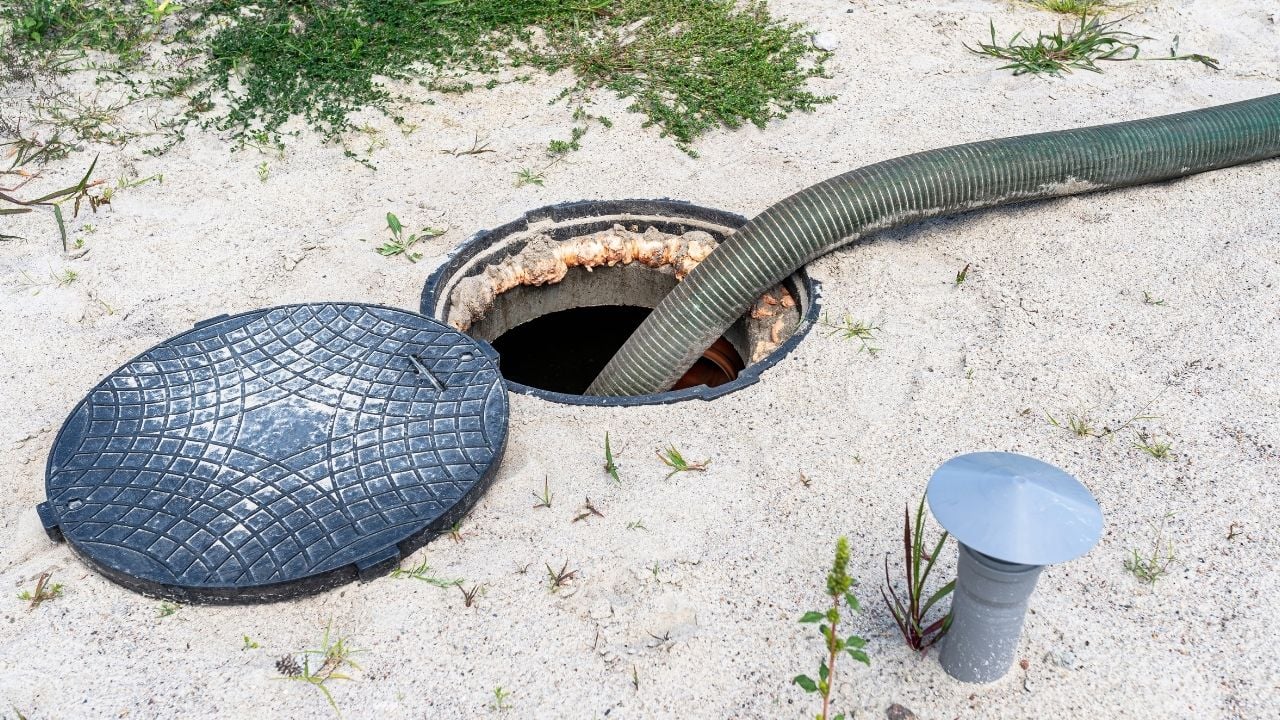
8 Septic and Well Rules Florida Buyers Inherit With Their House

Florida’s Department of Environmental Protection estimates there are about 2.6 million septic systems statewide, serving roughly 30% of Florida’s population.
Every one of those systems comes with rules attached to the land, not the person selling you the house.
These are the septic and well rules Florida buyers inherit along with their new address.
Note: This is general information, not legal advice. Septic and well rules vary by county and are subject to change, so confirm the current requirements with your county health department.
1. No Point-of-Sale Inspection Requirement
Florida buyers take over a septic system that state law never required anyone to inspect before the sale closed.
A handful of Florida counties run a routine septic check every five years, but state law bars tying that check to a sale.
Nobody has to look first.
So the buyer inherits the tank, the drainfield, and whatever condition either one is in, sight unseen unless they pay for their own inspection.
2. Grandfathered Septic Status
A septic system’s grandfathered status transfers to Florida buyers along with the deed, meaning an older design doesn’t automatically become illegal just because ownership changed hands.
State law backs that up directly: A septic permit transfers with the title in a real estate transaction.
A county can’t add new permit requirements that didn’t apply when the system was last permitted, modified, or repaired.
Old doesn’t mean illegal.
What Counts as a Septic “Failure” in a Few Florida Counties
In a handful of Florida counties running a 5-year septic evaluation program, one definition decides whether an inspector can force a repair on the system a buyer just inherited.
A system only qualifies as a “failure” there if it discharges untreated wastewater onto the ground or into a water body, or backs up a home’s plumbing into a sanitary nuisance.
A slow drainfield, a thin buffer to the water table, or a clogged effluent filter doesn’t count on its own.
Outside those evaluation-program counties, ordinary code enforcement runs under separate rules.
3. Setback Distances That Bind Any New Work
The gap between a Florida buyer’s well and septic system carries over exactly as it sits on the lot, and state rule locks in the minimum distance going forward.
State code sets the line at 75 feet between a septic system and a private well, 100 feet from a small public supply well, and 200 feet from a larger one.
Fifty feet covers a non-potable well.
Those numbers don’t move.
Plan a new drainfield, add a well, or expand either one, and the distance measures from what’s already sitting on the property, not from a clean slate.
4. Abandoned Wells and Licensed Plugging
Any well a current owner, or a past one, drilled and stopped using becomes a Florida buyer’s problem, plugged or not.
State rule puts the job on whoever owns the land: The property owner has to make sure an unused well gets sealed by a licensed contractor, filled from the bottom up with grout.
Somebody has to do it.
An old well the seller forgot about becomes the new owner’s compliance problem the day the deed records.
Psst! How much do you know about what you’re inheriting? Run through this checklist and see where you stand.
5. Code-Enforcement Liens for Septic and Well Violations
An unpaid fine for a septic or well violation can land on a Florida buyer since the debt attaches to the land, not the person who caused it.
A recorded order under state law becomes a lien against the property.
The debt survives the sale.
A title search usually catches an open lien, but a violation that never got recorded can slip through until the new owner gets the notice instead.
6. Palm Bay’s Sewer-Connection Clock
In Palm Bay, Florida buyers pick up a sewer-connection deadline the city already started running before they ever made an offer.
Once the city sends written notice that sewer is available, the property owner has one year to connect and retire the septic system for good.
It doesn’t restart at closing.
Palm Bay alone has more than 32,000 septic systems and 12,000 wells it plans to phase out this way.
Other Florida cities and counties run the same kind of ordinance on their own timeline.
7. Indian River Lagoon’s 2030 Deadline
A hard state deadline attached to the Indian River Lagoon’s protected properties reaches Florida buyers regardless of who owned the home when lawmakers set the date.
Any septic-served property inside the lagoon’s protection areas has to connect to sewer or install a nitrogen-reducing system by July 1, 2030.
New owners inherit it too.
Last December, Brevard County approved $6,000 per household to help cover the cost, money that follows the property into a new owner’s hands.
8. Miami-Dade’s Recorded Septic Certification
Miami-Dade County saddles Florida buyers there with an extra paperwork duty on top of the state’s standard septic disclosure: They have to notarize and record their own septic acknowledgment.
County code makes the buyer notarize and record their own certification confirming they received the septic tank system disclosure, filed with the Clerk of the Court and Comptroller.
Not just the seller’s signature.
Skip that step, and the disclosure the seller handed over never becomes part of the county’s permanent record.
Psst! How much do you know about Florida septic and well law? Take our quiz and see how many you can get right.
Quiz
Florida Septic & Well IQ
Answer these questions on Florida septic and well law. We bet you can’t get them all right. Prove us wrong?
Florida law shields one kind of property from ever being sold off to satisfy a code-enforcement lien for an uncorrected septic or well violation, no matter how large the fine grows. Which kind?
Shifting Septic Rules
Florida's septic and well rules govern an estimated 2.6 million systems statewide, according to the state's own count, and they haven't stayed still long enough for buyers to plan around them.
The state moved rule-writing authority for the whole program from the Department of Health to the Department of Environmental Protection in 2021 under the Clean Waterways Act, while county health departments kept handling the actual permits.
The paperwork changes too.
A buyer who assumes the rules that applied when the house was built still apply today is likely to get an unpleasant surprise at the county health department counter.
Florida's septic setback rule carried the number 64E-6.005 as recently as 2021, back when the Department of Health still ran the program before the state renumbered it 62-6.005.
The department amended that same rule again on June 8, 2026, proof the numbering and the paperwork keep moving even years after a system goes in the ground.
7 Florida HOA Fees That Have Doubled for Many Since 2020

One Seminole County homeowners association paid $91,000 for its building insurance in 2023.
The next year, the bill came to $233,000, and insurance was only one piece of what changed.
7 Florida HOA Fees That Have Doubled for Many Since 2020
2 Florida Home Repairs That Cost Much More in Hurricane Season
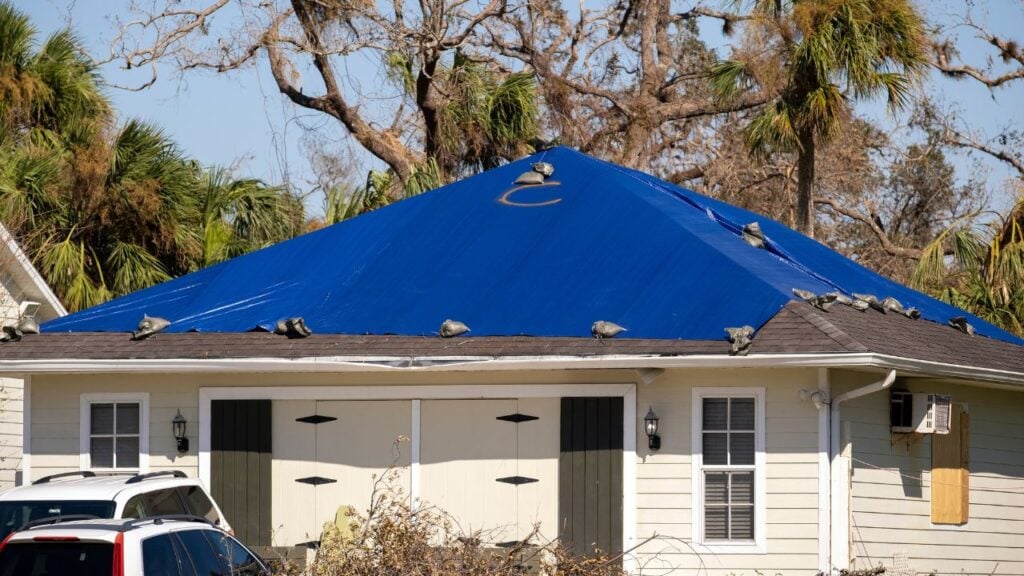
A homeowner outside Fort Myers calls three roofers the week hurricane season opens, hoping to get storm-rated shingles on before the next system gets a name.
All three want a deposit before they'll even schedule a look at the roof.
2 Florida Home Repairs That Cost Much More in Hurricane Season
